Běžné domácí jedy pro psy a kočky: příznaky a co dělat
Z encyklopedie PawPedia o životě se zvířaty
Obsah
- (Úvod)
- Potraviny, které mohou zvířata otrávit
- Lilie jsou pro kočky akutním nebezpečím
- Léky pro lidi
- Nemrznoucí směsi, přípravky proti blechám a čisticí prostředky
- Jed na potkany a myši
- Příznaky, kterých si všímat
- Kdy jde o akutní stav
- Jak veterináři diagnostikují a léčí otravu
- Jak ochránit nové zvíře
- Související články
- Z našich záchran
Stručně
Mezi běžné domácí jedy patří čokoláda, xylitol, hroznové víno a rozinky, cibule a česnek, léky proti bolesti pro lidi, nemrznoucí směs, jed na hlodavce a lilie, které jsou zvlášť nebezpečné pro kočky. Pokud mohlo vaše zvíře sníst něco jedovatého, ihned zavolejte veterináři nebo na pohotovost, i když se zdá v pořádku, a nevyvolávejte zvracení, pokud to veterinář nedoporučí.
| Příčina | Běžné věci v domácnosti, například upuštěný lék proti bolesti, hořká čokoláda, lilie a žvýkačky bez cukru |
|---|---|
| Výskyt | Psi a kočky; pyl a prášky na kočičí srsti se kočce mohou při čištění srsti dostat do tlamy |
| Zvýšené riziko | Nově adoptovaná zvířata v prvních týdnech a zvířata, která žila na ulici |
| Běžné příznaky | Zvracení, průjem, slinění, třes, křečové záchvaty, slabost, bledé dásně nebo krvácení; některé příznaky se objeví až po několika dnech |
| Diagnostika | Co zvíře snědlo, kolik a kdy, řekne veterináři víc než jakékoli jednotlivé vyšetření |
| Léčba | U veterináře potřebuje mnoho zvířat nitrožilní tekutiny, léky na zvládnutí zvracení nebo křečových záchvatů a sledování v rámci hospitalizace |
| Prognóza | Závisí hlavně na tom, kolik toho zvíře snědlo a jak rychle začala léčba |
| Prevence | Léky, sladkosti a žvýkačky v zavřených skříňkách, koše s víkem, návnady na potkany mimo dosah zvířat |
| Riziko pro lidi | Otrava není nakažlivá; nepřenáší se mezi zvířaty ani na lidi |
| Akutní stav, pokud | Vaše zvíře mohlo sníst něco jedovatého, i když se zdá v pořádku |
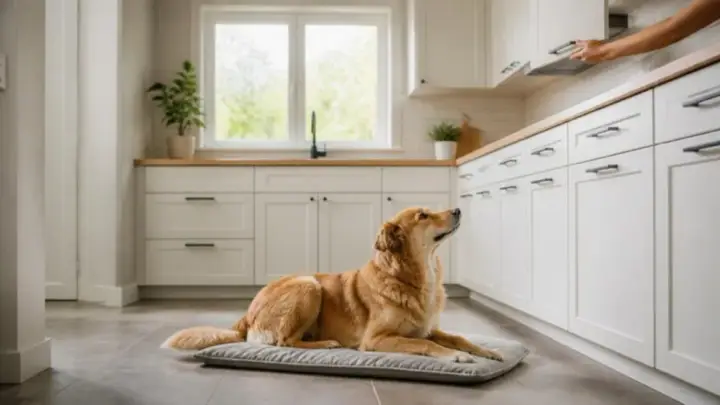
K mnoha otravám zvířat dochází doma, a to běžnými věcmi. Typickými příklady jsou upuštěný lék proti bolesti, hořká čokoláda na nízkém stolku, váza s liliemi a žvýkačky bez cukru v otevřené kabelce. Kočky jsou v jídle vybíravější než psi, ale olizují ze srsti všechno, co na ni dopadne, takže se jim pyl a prášky mohou dostat do tlamy.
Záznamy hovorů velké americké toxikologické linky pro zvířata ukazují v posledních letech podobný seznam. U psů vedou čokoláda, hrozny a rozinky, jed na potkany, xylitol, cibule a léky proti bolesti pro lidi. U koček patří na přední místa lilie, rostliny z čeledi cibulovitých, čokoláda, vitamin D a léky proti bolesti pro lidi.
Potraviny, které mohou zvířata otrávit
Čokoláda obsahuje theobromin a kofein, které nadměrně stimulují srdce a nervovou soustavu. Čím je tmavší, tím je nebezpečnější. Nejvyšší riziko představuje kakaový prášek a čokoláda na vaření, bílá čokoláda jich obsahuje jen velmi málo. Příznaky obvykle začínají do 6 až 12 hodin a patří k nim zvracení, žízeň, neklid a zrychlený tep. Těžké případy provází třes, křečové záchvaty a nepravidelný srdeční rytmus a příznaky mohou trvat až tři dny.
Xylitol je sladidlo obsažené ve žvýkačkách a pastilkách bez cukru, v některých arašídových máslech a pekařských výrobcích, zubních pastách, žvýkacích vitaminech a některých lécích. U psů způsobuje náhlý pokles hladiny cukru v krvi, někdy už do 30 minut. Mezi příznaky patří zvracení, slabost, vrávorání, kolaps a křečové záchvaty a u některých psů se o den či dva později rozvine poškození jater. Tato otrava byla popsána pouze u psů a u koček se riziko nepředpokládá.
Hrozny a rozinky mohou u psů způsobit náhlé selhání ledvin. Předpokládanou příčinou je kyselina vinná. Její množství se plod od plodu liší, takže i několik bobulí může stačit k tomu, aby malému psovi ublížilo. Zvracení nebo průjem často začínají do 6 až 12 hodin a selhání ledvin může následovat během jednoho až tří dnů. Rozinky se skrývají v koláčích, cereálních tyčinkách a pečivu. Existují i anekdotická hlášení o problémech s ledvinami u koček, a proto je nejbezpečnější držet hrozny mimo dosah i koček.
Cibule, česnek, pórek, pažitka a šalotka poškozují červené krvinky a mohou způsobit anémii. Škodlivé jsou syrové, vařené, sušené i práškové formy a kočky jsou ještě citlivější než psi. Zbytky jídla, polévky a omáčky často obsahují cibulový nebo česnekový prášek. Příznaky se obvykle objeví až několik dní po jídle, takže si je majitelé s jídlem nemusí spojit. Sledujte, zda se neobjeví slabost, bledé nebo nažloutlé dásně a zrychlené dýchání.
Lilie jsou pro kočky akutním nebezpečím
Pravé lilie (Lilium) a denivky (Hemerocallis) patří pro kočky k nejnebezpečnějším rostlinám. Do této skupiny patří lilie dlouhokvětá (velikonoční), asijské a orientální lilie, lilie Stargazer a tygří lilie. Jedovatá je každá část rostliny, včetně pylu a vody ve váze. Stačit může malé kousnutí do listu nebo okvětního lístku nebo několik pylových zrnek olízaných ze srsti.
Slinění, zvracení, nechutenství a malátnost se mohou objevit během několika hodin. Selhání ledvin může následovat během jednoho až tří dnů. Pokud léčba začne 18 nebo více hodin po expozici, je poškození ledvin obvykle trvalé. Proto se jakýkoli kontakt kočky s pravou lilií nebo denivkou považuje za akutní stav, i když se kočka zdá v pořádku.
Psi, kteří snědí lilii, mají obvykle jen mírné zažívací potíže. Lopatkovec (spatifylum) a kala mohou dráždit dutinu ústní a alstromérie může způsobit mírné zažívací potíže. V domácnosti s kočkou je nejbezpečnější pravé lilie a denivky do domu vůbec nenosit, a to ani v kytici.
Léky pro lidi
Některá zvířata se otráví, když jim majitel v dobré víře podá lék proti bolesti určený pro lidi, aby jim ulevil. Nejbezpečnější je nepodávat zvířeti žádné léky pro lidi, pokud je nepředepsal veterinář.
Ibuprofen, naproxen a aspirin patří do skupiny léků proti bolesti označovaných jako NSAID (nesteroidní protizánětlivé léky). U zvířat mohou způsobit žaludeční vředy, vnitřní krvácení a poškození ledvin, provázené zvracením, bolestí břicha a černou dehtovitou stolicí. Kočky jsou obzvlášť citlivé. Paracetamol, nazývaný také acetaminofen, je pro kočky velmi nebezpečný, protože jejich játra ho nedokážou dobře odbourat. Během několika hodin může mít kočka hnědé nebo kalně zbarvené dásně, otok obličeje nebo tlapek, slabost a zrychlený tep. U psů paracetamol spíše poškozuje játra.
Mezi léky, které zvířata otráví nejčastěji, patří také antidepresiva, léky na ADHD a doplňky s vitaminem D. I jediná upuštěná tableta může být pro malé zvíře nebezpečná, a proto pomáhá vše, co spadne, hned sebrat a dávkovače léků uchovávat mimo dosah.
Nemrznoucí směsi, přípravky proti blechám a čisticí prostředky
Mnoho nemrznoucích směsí obsahuje ethylenglykol, který chutná sladce. Kočky jsou na něj citlivější než psi. Zvíře může nejprve vypadat jako opilé, pak se mu na čas zdánlivě uleví a poté selžou ledviny. Existuje protijed, který nejlépe účinkuje, je-li podán během prvních několika hodin.
Přípravky proti blechám a klíšťatům pro psy, které obsahují permethrin, mohou kočky otrávit. Stává se to, když se psí přípravek omylem aplikuje kočce nebo když se kočka otře o čerstvě ošetřeného psa. Typickými příznaky jsou záškuby, třes, vrávorání a křečové záchvaty. Při včasné léčbě se většina koček plně uzdraví.
Čisticí prostředky, jako jsou bělidla a čističe odpadů, mohou podráždit nebo poleptat dutinu ústní a hrdlo. Uchovávejte je zavřené a mimo dosah zvířat.
Jed na potkany a myši
Návnady na potkany a myši jsou vyrobené tak, aby hlodavcům chutnaly, a domácím zvířatům často připadají lákavé také. Hlavní typy účinkují velmi odlišně a to, které se prodávají, se v jednotlivých zemích liší.
- Antikoagulační návnady brání srážení krve. Příznaky se obvykle objeví o 3 až 7 dní později a patří k nim slabost, bledé dásně, krvácení z nosu, modřiny, krev v moči nebo stolici a dýchací potíže.
- Návnady s bromethalinem způsobují otok mozku, který se projevuje třesem, křečovými záchvaty, vrávoráním nebo slabostí zadních končetin. Kočky jsou na bromethalin velmi citlivé a neexistuje na něj protijed.
- Návnady s vitaminem D3 (cholekalciferolem) zvyšují hladinu vápníku v krvi na nebezpečnou úroveň a mohou poškodit ledviny. Zvracení, slabost, žízeň a nadměrné močení se mohou objevit během jednoho až dvou dnů.
Různé přípravky často vypadají podobně, takže barva ani tvar návnady veterináři neprozradí, co obsahuje. Pokud najdete rozkousaný obal, uschovejte ho nebo zřetelně vyfoťte etiketu. Zvíře se může otrávit i tím, že sežere hlodavce, který návnadu snědl.
Příznaky, kterých si všímat
Příznaky závisí na druhu jedu a některé se objeví až po několika dnech. Pokud si všimnete některého z nich poté, co vaše zvíře mohlo sníst něco škodlivého, kontaktujte veterináře.
- Zvracení, průjem nebo slinění
- Neklid, třes, záškuby nebo křečové záchvaty
- Slabost, vrávorání nebo kolaps
- Bledé, hnědé nebo nažloutlé dásně
- Krvácení, modřiny nebo krev v moči či stolici
- Pití a močení v mnohem větší nebo mnohem menší míře než obvykle
- Otok obličeje nebo tlapek u kočky
Kdy jde o akutní stav
Pokud vaše zvíře mohlo sníst něco jedovatého, je nejlepší okamžitě zavolat svému veterináři nebo na nejbližší veterinární pohotovost, i když se zvíře zdá v pořádku. Mnoho z těchto jedů působí pomalu a léčba je nejúčinnější, než se objeví příznaky. Veterinář vám řekne, zda je dané množství pravděpodobně nebezpečné. V některých zemích fungují také toxikologické linky pro zvířata.
Zatímco sháníte pomoc, odveďte zvíře od zdroje. Poznamenejte si, o co šlo, přibližně kolik chybí a kdy se to stalo. Vezměte s sebou obal, rostlinu nebo vzorek.
Veterinární doporučení zní nevyvolávat u zvířete zvracení doma, pokud to neporadí veterinář. Sůl a další domácí metody mohou samy o sobě uškodit. Některé látky, například žíravé čisticí prostředky a ropné produkty, napáchají při zvracení ještě větší škody a zvíře, které je ospalé nebo má křečový záchvat, se může udusit. Co dělat během záchvatu a jak zvíře bezpečně dopravit na kliniku, se dočtete v článku o první pomoci u psů a koček.
Jak veterináři diagnostikují a léčí otravu
Co vaše zvíře snědlo, kolik a kdy, řekne veterináři víc než jakékoli jednotlivé vyšetření, takže obaly a etikety velmi pomohou. Po klinickém vyšetření může veterinář provést rozbor krve a moči a zkontrolovat ledviny, játra, hladinu cukru v krvi, vápník, červené krvinky a srážlivost krve.
Pokud ke kontaktu s jedem došlo nedávno a je to bezpečné, může veterinář u zvířete vyvolat zvracení. Podle druhu jedu může také podat aktivní uhlí, které naváže zbytek látky v trávicím traktu. Mnoho zvířat potřebuje nitrožilní tekutiny, léky na zvládnutí zvracení nebo křečových záchvatů a sledování v rámci hospitalizace. Na několik jedů existuje specifický protijed, například vitamin K při otravě antikoagulačními návnadami na potkany. Na mnoho dalších, včetně lilií, hroznů a bromethalinu, protijed neexistuje a léčba podporuje organismus, dokud se nezotaví. Prognóza závisí hlavně na tom, kolik toho zvíře snědlo a jak rychle začala léčba.
Jak ochránit nové zvíře
Otrava není nakažlivá, takže se nepřenáší mezi zvířaty ani na lidi. V domácnosti s více zvířaty zkontrolujte, zda se ke stejnému zdroji nemohla dostat i ostatní zvířata. Čerstvě ošetřeného psa držte odděleně od koček tak dlouho, jak uvádí etiketa přípravku a jak doporučí váš veterinář.
První týdny v novém domově s sebou nesou zvýšené riziko. Nově adoptované zvíře je často zvědavé a ještě nezná pravidla domácnosti a zvíře, které žilo na ulici, se možná naučilo sníst cokoli, co najde. Léky, sladkosti a žvýkačky uchovávejte v zavřených skříňkách a kabelky nenechávejte na zemi ani na nízkém nábytku. Používejte koše s víkem a návnady na potkany pokládejte jen tam, kam se zvířata nedostanou. Uložte si do telefonu číslo svého veterináře a nejbližší veterinární pohotovosti. Úplný kontrolní seznam, který je dobré projít ještě před příchodem psa, najdete v článku jak připravit domov pro zachráněného psa.
V projektu Paw Squadron vede po každé záchraně první cesta k veterináři a do koupele. Zvíře projde prohlídkou, odčervením a ošetřením proti blechám a dalším parazitům. Před adopcí každé zvíře dostane také očkování a mikročip. Když je čas na antiparazitární ošetření doma, požádejte svého veterináře o přípravek určený pro druh vašeho zvířete. Další návody k péči najdete v encyklopedii PawPedia.
Související články
Z našich záchran
Tento článek slouží jako obecná informace, nejde o veterinární radu. O zdraví svého zvířete se vždy poraďte s veterinářem. Některé obrázky v encyklopedii PawPedia mohou být vytvořeny umělou inteligencí.
Tato stránka byla naposledy aktualizována 30. září 2026.