Isoniazid Poisoning in Dogs: Signs and Emergency Care
From PawPedia, an encyclopedia of life with animals
Contents
| Cause | Isoniazid, a human tuberculosis medicine that is highly toxic to dogs |
|---|---|
| Affects | The brain: the drug depletes vitamin B6, the brain becomes overexcited and seizures can follow |
| Most at risk | Small dogs, which even one tablet can seriously poison |
| First signs | Often within 30 minutes to 2 hours of eating the drug; a dog that looks only a little unsteady can start having seizures soon after |
| Common signs | Seizures (the most common sign in a US review), heavy drooling, vomiting, wobbly walking, trembling, confusion, collapse |
| Diagnosis | No quick clinic test; vets usually decide from what the owner saw, the signs, and bait reports |
| Treatment | A vet gives vitamin B6 into a vein, the specific antidote, plus seizure control and fluids; B6 tablets at home cannot replace this |
| Outlook | Depends on how much the dog ate, its size, and how fast treatment starts; severely poisoned dogs can die within hours |
| Prevention | A leash where baits are reported, a basket muzzle, "leave it" training, and human medicines kept in closed cabinets |
| Risk to people | A poisoned dog is not contagious to pets or people; the danger is the bait, which a child could pick up |
| Emergency if | Any suspected isoniazid poisoning, even if the dog still seems normal |
Isoniazid is a human medicine used to prevent and treat tuberculosis. It is highly toxic to dogs. Even one tablet can seriously poison a small dog, and severely poisoned dogs can die within hours. In Ukraine and Russia, meat baits containing this drug have been used to kill dogs. Dogs can also swallow tablets prescribed to someone at home. This guide covers the signs, what to do right away, and how to lower the risk.
Signs to watch for
Signs often begin within 30 minutes to 2 hours after a dog eats the drug, and they can get worse quickly. A dog that looks only a little unsteady at first can start having seizures soon after. Owners most often notice these changes.
- Heavy drooling
- Vomiting, and sometimes diarrhea
- Wobbly walking, stumbling, or trouble standing
- Trembling
- Dullness, confusion, or unusual behavior
- Seizures, which may repeat
- A high body temperature
- A heart rate that is too fast, too slow, or irregular
- Fast breathing
- Collapse or coma
A US review of 137 poisoned dogs found that almost all of them showed signs. Seizures were the most common one.
When it is an emergency
Any suspected isoniazid poisoning is an emergency, even if your dog still seems normal. Treatment works best when it starts early. In a 2026 study of seven poisoned pet dogs in Ukraine, three died within about three hours of the first signs, without reaching a vet.
If you think your dog has eaten a bait or tablets, these steps are recommended.
- Call the nearest veterinary clinic that is open now and tell them you are on the way.
- Say that you suspect isoniazid or a poison bait.
- Bring any leftover bait, wrapper, or pill package. Pick it up with gloves or a plastic bag over your hand.
- Only make your dog vomit if a veterinarian tells you to. Salt or salt water is not safe for this, because it can cause salt poisoning.
- Skip food, milk, oil, and home remedies. Vitamin B6 tablets at home cannot replace treatment at the clinic.
- If your dog is having a seizure, move it away from stairs and water, and keep your hands away from its mouth. For the trip, lay it on a blanket or towel.
How dogs come into contact with it
Deliberate poisonings happen through food. Someone mixes the drug into meat or other food and leaves it where dogs walk. In the Ukrainian study, pet dogs ate baits during ordinary walks in city parks and wooded strips, and even in their own yards. The authors note that deliberate isoniazid poisonings in Ukraine have been linked to efforts to control stray dogs. Forensic researchers in Russia have also described mass poisonings of dogs in cities, with baits that contained isoniazid.
Poison baits have also killed dogs in parts of the Balkans, including Bulgaria. The poison in those cases is not always known, and the same safety habits help with any kind of bait.
Accidental poisoning happens too. A dog may chew open a pill bottle, eat a dropped tablet, or get into a bag that holds a family member's medicine.
Why this drug is so dangerous for dogs
People break down isoniazid mainly through a chemical step called acetylation. Dogs cannot do this, which helps explain why they are so sensitive to the drug. Isoniazid also depletes vitamin B6 in the brain. The brain needs vitamin B6 to make GABA, a chemical messenger that calms nerve activity. When GABA runs low, the brain becomes overexcited and seizures can follow.
The risk depends on the dose and the size of the dog. In the US review, dogs that ate more of the drug or had seizures were less likely to survive, while heavier dogs were more likely to survive.
How vets diagnose and treat it
There is no quick test at the clinic that confirms isoniazid. Vets usually decide based on what the owner saw, the signs, and any reports of baits in the area. Blood tests help them check the dog's overall condition. Laboratory testing of the bait or of samples from the dog can confirm the drug later.
Treatment aims to stop the seizures, replace vitamin B6, and support the body while the drug clears. If the dog has no signs yet, the vet may make it vomit and give activated charcoal to limit how much of the drug is absorbed. In some dogs that already have signs, the vet may wash out the stomach under anesthesia. Vitamin B6 given into a vein is the specific antidote. In the US review, dogs that received it this way were 29 times as likely to survive as dogs that did not.
Vets also use seizure-control medicines, intravenous fluids, cooling for a high temperature, oxygen when needed, and close monitoring. Dogs usually stay in the hospital until the signs settle. The drug can also affect the liver, so the vet may recheck liver values a few days after the dog goes home.
The outlook depends on how much the dog ate, its size, and how fast treatment starts. In the US review, most dogs with a known outcome survived. In the Ukrainian study, all seven dogs died, including four whose owners reached an emergency clinic. Fast action gives a dog the best chance.
Risk to other pets and people
Isoniazid poisoning does not spread from one animal to another, so a poisoned dog is not contagious to other pets or to people. The danger is the bait itself. Other dogs, cats, and wild animals can eat it, and a child could pick it up. If you find a suspected bait, pick it up with gloves or a bag, keep it sealed for your vet or the police, and wash your hands afterward. Clean up vomit quickly so other pets cannot reach it.
How to lower the risk
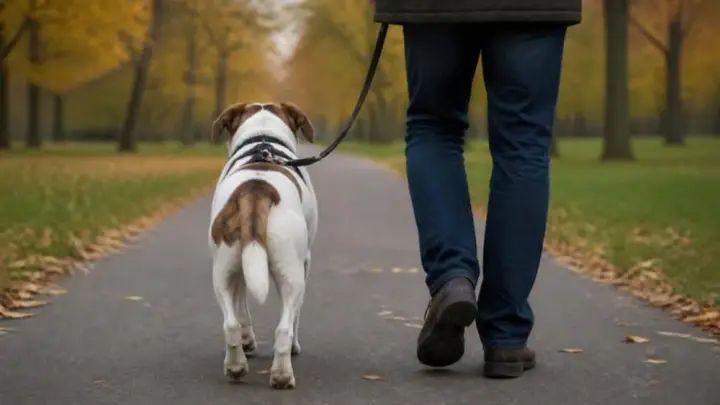
No single step removes the risk completely, but a few habits help. Keep your dog on a leash in areas where baits have been reported. A well-fitted basket muzzle lets a dog pant and drink while making it harder to eat things off the ground. Teach "leave it" and "drop it" with rewards, and practice often.
Check your yard and fence line after baits are reported nearby. Keep human medicines in closed cabinets, and never leave tablets on low tables or in bags a dog can reach. Save the number of your nearest 24-hour clinic in your phone before you need it. If you find baits, report them to local police or animal welfare authorities, and warn other dog owners in your area.
Rescued and newly adopted dogs
Dogs that lived on the street may have learned to eat whatever food they could find. That habit can take time to fade after adoption. In the first months, keep a newly adopted dog on a leash during walks, watch what it sniffs and picks up, and work on "leave it" training every day. If you live in or visit an area where dog baits are reported, a basket muzzle can help while training takes hold.
At Paw Squadron, every rescued animal gets a checkup, treatment, vaccinations, and a microchip before adoption. None of these protect against poison, so safe walking habits matter for every dog. If you have questions about a dog you plan to adopt, send us an adoption inquiry, or read more guides in PawPedia.
See also
From our rescues

This article is general information, not veterinary advice. Always consult a veterinarian about your animal’s health. Some pictures in PawPedia may be AI-generated.
This page was last updated on October 18, 2026.