Когато спасено куче стане терапевтично куче
От PawPedia, енциклопедията за живота с животни
Съдържание
- (Начало)
- Какво прави кучето терапевт
- Защо спасените кучета могат да са добри кандидати
- Темпераментът, който изисква работата
- Как обикновено протича оценката
- Подготовка на спасено куче за работата
- Как да разпознаете стреса по време на посещение
- Реалистичен план за първата година
- Вижте също
- От нашите спасявания
Накратко
Спасеното куче може да стане терапевтично куче, ако искрено харесва непознати, остава спокойно при шум и медицинска апаратура и премине оценката на дадена програма в екип с водача си. Първо му дайте месеци да се адаптира, след това добавете обучение и излизания. Нека ветеринар провери за болка, която може да накара дружелюбно куче да ръмжи.
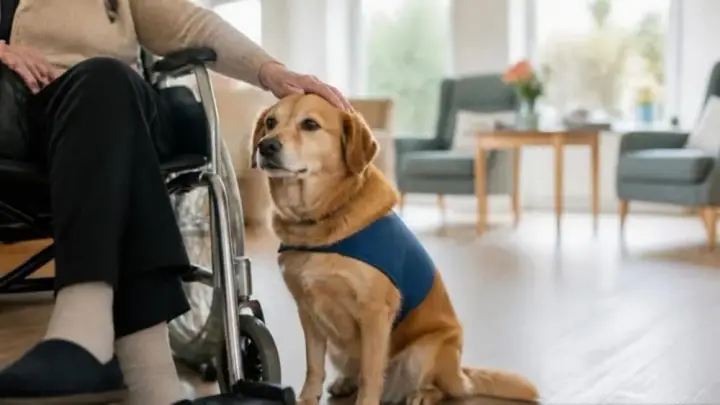
| Какво прави | Посещава хора заедно със стопанина си, който е и негов водач |
|---|---|
| Къде | Болници, домове за възрастни хора, хосписи, училища, библиотеки, а по време на изпитната сесия и университетски кампуси |
| Право на достъп | Няма специално право да влиза в магазини, ресторанти или обществения транспорт |
| Основна черта | Да харесва непознатите; не е достатъчно само да ги търпи |
| Защо спасените кучета може да са подходящи | Кучетата, живели на улицата, може да приемат трафика, тълпите и непознатите за нещо обичайно |
| Стандарти | Няма единен световен стандарт; всяка държава има свои организации |
| Оценка | При повечето оценки кучето и водачът му се преценяват като екип |
| Минимална възраст | Много програми изискват кучето да е поне на една година и да живее с водача си от няколко месеца |
| Най-добро начало | Време, а не обучение: първите месеци са, за да научи кучето, че домът е безопасен |
| Обучение | Основни умения като „седни“, „легни“, „стой“, „остави“, идване при повикване и ходене на отпуснат повод, научени с награди |
| При стрес | Изведете кучето навън за почивка, дайте му вода или прекратете посещението |
Куче, което лежи кротко до болнично легло, докато пациентът го гали по ушите, изглежда като най-лесната работа на света. Не е. Тази работа изисква куче с определен темперамент, водач, който го познава добре, и месеци подготовка. Много от кучетата, които я вършат, са започнали живота си като бездомни или в приюти.
Какво прави кучето терапевт
Терапевтичното куче посещава хора заедно със своя стопанин, който е и негов водач. Посещенията са в болници, домове за възрастни хора, хосписи, училища, библиотеки, а по време на изпитната сесия – и в университетски кампуси. Задачата на кучето е да позволява на хора, които никога не е виждало, да го докосват, да му говорят и да седят до него и да остава спокойно, докато това се случва.
Понятията често се бъркат, а правилата са различни в различните държави. Най-общо кучетата, които помагат на хората, се делят на три групи.
- Кучетата помощници са обучени да изпълняват конкретни задачи за един човек с увреждане, например да водят незрящ човек. В много държави законът им позволява да влизат там, където домашните любимци нямат достъп.
- Животните за емоционална подкрепа утешават собствения си стопанин, обикновено у дома, и не се нуждаят от специално обучение.
- Терапевтичните кучета утешават много различни хора, винаги заедно с водача си и само там, където са поканени. Те нямат специално право на достъп до магазини, ресторанти или обществения транспорт.
Някои програми разграничават свободните посещения, при които хората просто галят кучето, от структурираните сесии, водени от терапевт, учител или медицинска сестра. По време на сесията кучето помага за постигането на определена цел – например пациент след инсулт да протегне ръка и да среше козината му или дете, на което четенето се отдава трудно, да има търпелив слушател.
Защо спасените кучета могат да са добри кандидати
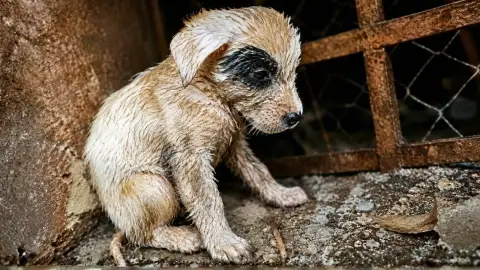
Качествата, заради които едно куче остава незабелязано в приюта, понякога са точно това, от което се нуждае терапевтичната работа. Посетителите забелязват кучетата, които лаят и скачат в предната част на бокса, а тихото куче лесно може да бъде подминато. В болничното отделение същото това спокойствие струва повече от хубавата външност или родословието. Спокойствието обаче не е същото като затварянето в себе си, а куче, което се крие в дъното, защото се страхува, е съвсем различен случай.
Кучетата, които са живели на улицата, често вече са видели много от света, затова уличното движение, тълпите и непознатите може да са нещо обичайно за тях. Повечето програми оценяват конкретното куче, а не документите му, и мелезът от улицата се преценява по същите критерии като всяко друго куче.
Тежкото минало може да остави и следи, които не личат през първите седмици, например страх от вдигната ръка или от това да бъде притиснато в ъгъла на малка стая. При спасеното куче често не знаете историята му, затова я научавате, като го наблюдавате.
Темпераментът, който изисква работата
Оценителите търсят куче, което харесва непознатите. Не е достатъчно само да ги търпи. Куче, което стои вцепенено, докато някой го гали, може да изглежда спокойно, но скованото тяло, затворената уста и очите, които следят ръката, са признаци, че кучето търпи допира. За такова куче всяко посещение вероятно ще бъде все по-трудно и рано или късно то може да посегне да ухапе.
- Приближава непознати хора с отпуснато, извиващо се тяло и след това се успокоява.
- Приема докосване навсякъде, включително по ушите, лапите и опашката, и понася несръчното потупване от деца или от хора с треперещи ръце.
- Може да се стресне от внезапен шум, например изпусната табла или аларма, но се съвзема за секунди.
- Остава отпуснато около инвалидни колички, проходилки, патерици и болнични легла.
- Не докосва храна и хапчета на пода, когато му се каже.
- Не обръща внимание на други кучета или ги поздравява учтиво и продължава.
- Ляга и остава на място дълго време, дори на хлъзгав под.
Как обикновено протича оценката
Няма единен световен стандарт. Всяка държава има свои организации, а много болници и домове за възрастни хора добавят собствени правила. В САЩ например някои програми изискват кучетата да издържат теста „Куче – добър гражданин“ (Canine Good Citizen) на Американския киноложки клуб, преди да ги допуснат до собствената си оценка.
При повечето оценки кучето и водачът му се преценяват като екип. При типичния тест кучето трябва да поздрави дружелюбен непознат, да позволи да бъде погалено и внимателно прегледано, да мине на отпуснат повод през малка група хора, да подмине хора с патерици или в инвалидна количка, да реагира на силен шум, да не обръща внимание на изпусната храна и да прекара няколко минути с човек, различен от водача си. Оценителят следи и дали водачът забелязва, когато кучето е неспокойно, и дали се намесва.
Програмите обикновено имат и изисквания за здраве и възраст. Много от тях искат кучето да е поне на една година и да живее с водача си от няколко месеца, както и доказателство за ваксинации, обезпаразитяване и скорошен ветеринарен преглед. Някои не приемат кучета, хранени със сурово месо, заради риска от предаване на бактерии на пациенти с отслабена имунна система.
Много кучета не успяват от първия път, а някои не успяват никога. Това по нищо не показва колко добър другар е кучето у дома. Много прекрасни кучета не са създадени за непознати, пиукащи апарати и дълги коридори.
Подготовка на спасено куче за работата
Започнете с време, а не с обучение. Първите месеци в новия дом са, за да научи кучето, че домът е безопасен, че храната идва по разписание и че може да ви се довери. Нашата статия за изграждането на връзка със спасено животно разглежда този етап, а куче, което все още се адаптира, не може да ви покаже истинския си темперамент.
Когато кучето вече е спокойно у дома, започнете работа по основните умения: „седни“, „легни“, „стой“, „остави“, идване при повикване и ходене на отпуснат повод. Обучението с награди дава най-добри резултати и запазва доверието на кучето. Груповият курс учи кучето да се съсредоточава върху вас, когато наоколо има други кучета и хора.
След това постепенно разширявайте света му. Кратките излизания до тераса на кафене или до пейка край детска площадка позволяват на кучето да среща хора на всякаква възраст, някои с шапки, бастуни или чадъри. Свързвайте новите неща с лакомства, тръгвайте си, преди кучето да се умори, а ако виждате страх вместо любопитство, забавете темпото и прочетете нашата статия за това как да помогнете на плашливо куче.
Преди да кандидатствате, помолете ветеринаря си за преглед. Куче с болезнени стави, болни зъби или проблем с ушите може да не обича да го докосват, а болката е честа причина дружелюбно куче внезапно да заръмжи. Квалифициран треньор или специалист по поведение на животните, който се е запознал с кучето, също може честно да ви каже дали терапевтичната работа е подходяща за него.
Как да разпознаете стреса по време на посещение
Дори много подходящото куче има лоши дни. По време на посещение основната задача на водача е да наблюдава кучето и да се намеси рано, защото кучетата показват стреса си с дребни знаци много преди да заръмжат.
- Облизване на устните или прозяване, когато кучето не е уморено
- Извръщане на главата или показване на бялото на очите
- Прилепени назад уши или ниско подвита опашка
- Задъхване, когато в стаята не е топло
- Отърсване, сякаш е мокро, веднага след докосване
- Заставане зад водача или дърпане към вратата
Ако забележите тези признаци, изведете кучето навън за почивка, дайте му вода или прекратете посещението. Добрите програми поддържат посещенията кратки и позволяват на водачите да си тръгнат по-рано, а куче, което е загубило интерес към работата или остарява и става все по-сковано, трябва да може да се пенсионира.
Реалистичен план за първата година
Ако осиновявате с мисъл за терапевтична работа, споменете го в запитването за осиновяване и ни разкажете за ежедневието си. Използвайте разговора и запознанството с кучето, за да попитате за характера му. Всяко куче под наша грижа е прегледано от ветеринар, лекувано, ваксинирано и чипирано, а когато е достатъчно силно за операция – и кастрирано.
Посветете първите три месеца на адаптацията и разберете как кучето реагира у дома на гости, шумове и докосване. След това добавете обучение, групов курс и кратки излизания на по-оживени места и си записвайте какво харесва кучето и какво го притеснява.
Когато кучето е поне на една година и е спокойно в повечето ситуации, потърсете програми за терапевтични кучета във вашата държава и прочетете правилата им. Попитайте дали можете да присъствате на посещение или да поговорите с опитен водач, след това запишете час за ветеринарен преглед и кандидатствайте за оценка. Ако кучето премине успешно, започнете с кратки посещения и оставете езика на тялото му да определи колко още да прави.
Вижте също
От нашите спасявания


Тази статия съдържа обща информация и не е ветеринарен съвет. Винаги се консултирайте с ветеринарен лекар за здравето на вашето животно. Някои изображения в PawPedia може да са създадени с изкуствен интелект.
Последната промяна на страницата е извършена на 26 септември 2026 г.