Anal Gland Problems in Dogs: Signs, Causes, and Care
From PawPedia, an encyclopedia of life with animals
Contents
In short
Anal gland problems happen when the two small sacs beside a dog's anus become blocked, inflamed or infected, often causing scooting, licking under the tail or a fishy smell. A vet can empty the sacs and treat infection. Call your vet the same day for a hot, red swelling, an open wound or pain at the rear.
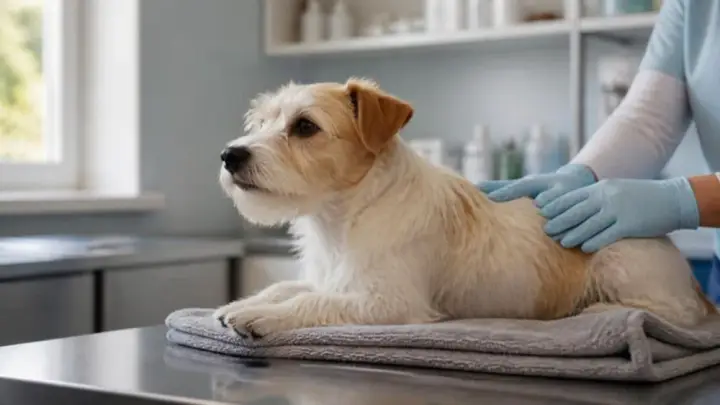
| Cause | Fluid in the anal sacs does not empty, so it builds up and thickens; the sac can then become inflamed or infected |
|---|---|
| Affects | Roughly 4 to 16 percent of dogs in studies in general veterinary practice |
| Most at risk | Small breeds, with Chihuahuas at the top of the list |
| Usual age | Most affected dogs are over a year old |
| Common signs | Scooting, licking or chewing under the tail, a fishy smell that lingers, and straining or discomfort when passing stool |
| Diagnosis | Usually starts with a rectal exam, in which the vet feels each sac and gently empties it |
| Treatment | Depends on the stage: the vet empties blocked sacs, flushes and medicates infected ones, or opens and drains an abscess |
| Outlook | Most cases respond well to treatment, especially when caught early |
| Prevention | A healthy weight and a diet that produces firm, well-formed stool can help |
| Risk to people | None; not contagious to other pets or people |
| Emergency if | A hot, red, painful swelling or open wound leaking pus or blood beside the anus, crying out when touched, or straining with no stool |
A dog dragging its bottom across the carpet is a familiar sight, and the cause is often the anal glands. These two small sacs can become blocked, inflamed, or infected. The problem is common. Studies in general veterinary practice have found anal sac disease in roughly 4 to 16 percent of dogs. Most cases respond well to treatment, especially when they are caught early.
What the anal glands do
The anal glands, also called anal sacs, sit just under the skin on each side of the anus. If you picture the anus as a clock face, they lie at about four and eight o'clock. Each sac collects a strong, fishy-smelling fluid made by glands in its wall.
The fluid works as a scent marker that other dogs can read. In a healthy dog, a small amount squeezes out each time firm stool passes. A frightened or stressed dog may also release it suddenly. A brief fishy smell during a vet visit or a scare is usually nothing to worry about.
Signs to watch for
Trouble starts when the fluid does not empty. It builds up, thickens, and stretches the sac. Vets call this impaction. A blocked sac can then become inflamed or infected, and an infection can turn into an abscess. Owners usually notice the discomfort first.
- Scooting, or dragging the rear end along the floor
- Licking or chewing under the tail or at the base of the tail
- A fishy smell that stays on the dog or on furniture
- Straining or seeming uncomfortable when passing stool
- Holding the tail low or not wanting the rear end touched
- Swelling, redness, or discharge on one or both sides of the anus
- Blood or pus on the skin near the anus or in the stool
Scooting has other causes too. Tapeworm segments, which look like grains of rice stuck to the hair around the anus, can make the area itch. Skin allergies can also cause itching there. A vet check can show which one it is.
Why the glands get blocked
Often there is no single cause. Several things make blockage more likely.
Stool quality matters. Soft stool or diarrhea does not press on the sacs enough to empty them, and constipation can cause trouble too. Weight may play a part as well. Overweight dogs can have poor muscle tone in the area, so their sacs may not empty well. A diet low in fiber may add to the problem.
Skin allergies are closely linked. In studies of dogs with inflamed anal sacs, allergic skin disease was the most common other health problem. In one study, the trouble also came back more often in allergic dogs. Researchers have found that dogs with atopic dermatitis, a common skin allergy, carry a different mix of bacteria in their anal sacs.
Small breeds are affected most often, and among them Chihuahuas top the list. Among larger dogs, German Shepherds may be at higher risk. Studies also point to spaniels and flat-faced breeds. Most affected dogs are over a year old, and males and females seem equally at risk.
In older dogs, a swelling in the anal sac can sometimes be a tumor. Anal sac adenocarcinoma is a cancer of the gland tissue. It can raise the calcium level in the blood, and some dogs first show increased thirst and more frequent urination. For this reason, any lump near the anus of an older dog is worth a prompt vet visit.
When it is an emergency
An impacted gland is uncomfortable but rarely urgent. An abscess needs attention sooner. It is best to call your vet the same day if you notice any of these signs.
- A hot, red, painful swelling on one or both sides of the anus
- An open wound beside the anus leaking pus or blood
- Refusing to sit, crying out, or snapping when the tail area is touched
- Straining without passing any stool
- Low energy or loss of appetite together with pain at the rear
An abscess can break open on its own and leave a wound next to the anus. Even then it needs a vet, because the wound needs cleaning and the infection needs treatment. Squeezing or lancing a swelling at home is not recommended. It is very painful for the dog and best left to the vet.
How vets diagnose and treat it
The vet usually starts with a rectal exam. With a gloved finger, they can feel the size of each sac and gently empty it. The look of the fluid gives clues. Very thick or dark material, or fluid with blood or pus in it, points to a blockage or infection. The vet may look at a sample under the microscope to check for bacteria, yeast, and blood cells. If a mass is felt, blood tests, imaging, or a biopsy may be suggested.
Treatment depends on the stage. A simple impaction is often solved by emptying the sacs. If the material has hardened, the vet may soften it first. Inflamed or infected sacs are often flushed through their small duct and then filled with a medicated ointment. Several visits, usually one to two weeks apart, are often needed before the sacs settle.
An abscess usually needs to be opened, drained, and cleaned. The vet may prescribe antibiotics and pain relief and may suggest warm compresses at home. Because the area is so sore, many dogs need sedation for these procedures. A cone collar keeps the dog from licking the area while it heals.
When problems keep coming back, or when a tumor is found, the vet may discuss surgery to remove the sacs. This is a delicate operation. Some dogs have loose stools for one to three weeks afterward. A known risk is nerve damage that affects bowel control, and in some dogs this is permanent. Your vet can explain the risks and benefits for your dog.
The vet will also look for what is behind the problem. Treating skin allergies, firming up the stool, or helping the dog lose weight can make repeat episodes less likely.
Risk to other pets and people
Anal gland problems are not contagious. A blocked or infected gland poses no risk to other pets or to people. Normal hygiene is enough, and washing your hands after cleaning a draining wound is sensible.
Tapeworms are a different matter. If the scooting turns out to be tapeworms, the source is usually fleas. Dogs pick up the common tapeworm by swallowing infected fleas, so other pets in the home may need flea control too. People are rarely infected. Your vet can advise on treatment for the whole household.
Prevention and home care
Not every case can be prevented, but a few habits help. Keeping your dog at a healthy weight is a good start. A diet that produces firm, well-formed stool helps the sacs empty on their own. Some vets recommend added fiber for dogs with repeat problems, since bulkier stool helps press the sacs empty. Ask your vet which option suits your dog before changing the diet.
If your dog has skin allergies, keeping them under control may also protect the anal glands. Regular checkups give the vet a chance to feel the glands and catch problems early.
Most healthy dogs empty their glands on their own and do not need routine expression. For dogs with repeat problems, regular emptying by the vet team can help. It is best to ask your vet before starting routine expression at home or at the groomer.
Notes for new adopters
Rescued and newly adopted dogs go through a lot of change at once. Travel, stress, and a new diet can upset the stomach for a while. Loose stool means the anal glands may not empty well, so some new dogs start to scoot or lick. Changing food gradually and giving the dog time to settle can help.
At Paw Squadron, the first stops after every rescue are the vet and a bath. Each animal gets a checkup, deworming, and treatment against fleas and other parasites. Before adoption, every animal also gets vaccinations and a microchip. Anal gland trouble can still show up in any dog, so mention any scooting, licking, or fishy smell at your first visit with your own vet.
For more on caring for a new dog, browse PawPedia or read our FAQ.
See also
From our rescues
 12:26Abandoned Puppy Was Freezing To Death and Barely Surviving until This HappenedPalm Holland · February 12, 2022
 13:05Abandoned Puppy was Scared to Death and Struggling to Survive until This HappenedChilly Eilish · January 29, 2022
 10:01Small Puppy was Crying In Pain For Help until This Man Finally Heard HimBin Diesel · January 22, 2022
This article is general information, not veterinary advice. Always consult a veterinarian about your animal’s health. Some pictures in PawPedia may be AI-generated.
This page was last updated on October 2, 2026.