Allergies in Dogs and Cats: Signs, Causes, and Relief
From PawPedia, an encyclopedia of life with animals
Contents
In short
Allergies in dogs and cats are an immune overreaction to things like flea saliva, pollen or food, and the main sign is itching, often with paw licking and repeated ear infections. Vets find the cause step by step, and a good plan usually keeps the itch under control. Go right away for trouble breathing or fast facial swelling.

| Cause | The immune system overreacts to something harmless, such as flea saliva, pollen or a protein in food |
|---|---|
| Most at risk | Among dogs, Labrador and Golden Retrievers, West Highland White Terriers, Boxers and Shih Tzus |
| Usual age | Environmental allergy usually starts at 6 months to 3 years in dogs and before age 5 in cats |
| First signs | Itching; some pets scratch openly, others lick, chew or groom quietly |
| Common signs | Licking or chewing the paws; rubbing the face; red, smelly or itchy ears; red skin, scabs and hair loss |
| Diagnosis | No single test; vets go step by step, looking at the pattern of signs and ruling out other causes |
| Treatment | Depends on the cause; many pets need several approaches at once in a plan built by the vet |
| Outlook | Usually lifelong, but with a good plan from a vet the itch can usually be kept under control |
| Prevention | Hard to prevent; to limit flare-ups, vets generally recommend flea control all year for every pet |
| Risk to people | Allergies do not spread to people or pets; fleas will bite people, and sarcoptic mange mites pass to people through close contact |
| Emergency if | Sudden vomiting or diarrhea, pale gums, weakness, collapse, trouble breathing or seizures; fast face swelling with any of these |
Allergies are one of the most common reasons dogs and cats itch. An allergy happens when the immune system overreacts to something harmless, such as flea saliva, pollen or a protein in food. The tendency is partly inherited. Among dogs, Labrador and Golden Retrievers, West Highland White Terriers, Boxers and Shih Tzus are affected more often, but any dog or cat can develop an allergy.
Vets sort skin allergies into three main types. Flea allergy is a reaction to flea bites. Environmental allergy, also called atopic dermatitis or atopy, is a reaction to things in the air and around the home. Food allergy is a reaction to an ingredient in the diet. A pet can have more than one type, and allergies usually last for life. With a good plan from a vet, the itch can usually be kept under control.
Signs to watch for
Itching is the main sign. Some pets scratch openly. Others lick, chew or groom quietly, and the owner first notices sore skin or a thin coat. These are the most common signs.
- Licking or chewing the paws
- Rubbing the face on the floor or furniture
- Red, smelly or itchy ears, or ear infections that keep coming back
- Red skin, scabs, hair loss, or darker, thicker skin where the pet scratches a lot
- Itching over the hips, lower back, base of the tail and thighs, which often points to fleas
- In cats, many tiny crusty bumps on the back, neck or face, bald patches from over-grooming, or scratch wounds on the head and neck
- Vomiting, soft stools or more frequent bowel movements, which can go with food allergy
In dogs, environmental allergy most often affects the paws, face, ears, armpits, belly and the bends of the front legs. It usually starts between 6 months and 3 years of age. In a few dogs, repeated ear infections are the only sign. Cats with environmental allergy usually show their first signs before the age of 5, and some also sneeze or develop asthma.
Allergic skin often becomes infected with bacteria or yeast. These infections make the itch worse, so both problems need treatment.
Common causes
Flea allergy is a reaction to proteins in flea saliva. In a sensitive pet, a single bite can cause itching for several days. Allergic pets often groom away most of their fleas, so owners may find none. Flare-ups are most common in late summer, when flea numbers peak, but they can happen at any time of year.
Environmental allergy is a reaction to things like pollen, mold and dust mites. Signs may be seasonal, last all year, or last all year with seasonal flare-ups.
Food allergy is usually a reaction to a protein in the diet. In dogs, beef, dairy, chicken, wheat and lamb are among the most common triggers. In cats, beef, fish and chicken lead the list. Food allergy can start at almost any age and does not follow the seasons. In dogs, it is less common than environmental allergy. In cats, the two are thought to be about equally common.
Many owners suspect the food first. Vets usually check for fleas early on, because flea allergy is common and easy to miss.
Less often, a pet reacts suddenly to an insect sting, a medicine, a vaccine or a food. This can cause hives, which are small raised bumps on the skin, or a swollen face, usually within minutes to a few hours.
When it is an emergency
Most allergies are uncomfortable but not dangerous. A sudden, severe reaction called anaphylaxis is different. It is rare and usually starts within seconds to minutes of an insect sting, an injection or a food. Dogs mostly show stomach and gut signs, while cats more often struggle to breathe. Any of these signs needs emergency veterinary care right away.
- Sudden vomiting or diarrhea, or heavy drooling
- Pale gums, cold legs, weakness or collapse
- Trouble breathing, or a cat breathing with its mouth open
- Seizures
- Fast swelling of the face, lips or muzzle together with any of the signs above
Hives or a swollen face on their own are less dangerous and often fade within a few hours. It is still wise to call your vet the same day. Call right away if the swelling follows a vaccine or a new medicine, since swelling can occasionally affect the airway.
Constant scratching, open sores or a painful, smelly ear are rarely emergencies. They still need a vet visit soon.
How vets diagnose allergies
No single test proves that a pet has a skin allergy. Vets diagnose it step by step, by looking at the pattern of signs and ruling out other causes of itching.
The first step is looking for parasites. The vet may comb the coat for fleas and flea dirt, press tape on the skin, take skin scrapings or look at hairs under a microscope. Some mites cause intense itching that can look like an allergy. The vet will also check the skin and ears for bacteria and yeast.
Food allergy is tested with an elimination diet. For 8 to 12 weeks, the pet eats only a diet the vet recommends, usually with a protein the pet has never eaten or one broken down so the immune system is less likely to react. Treats, table scraps and flavored chewable medicines are left out during the trial, and the vet can suggest other options. If the itch improves, the old food is offered again. If the signs return, usually within two weeks, food allergy is confirmed. Blood, saliva and skin tests are not reliable for food allergy.
Environmental allergy is diagnosed once parasites, infections and food allergy have been ruled out. Skin and blood allergy tests cannot diagnose it on their own. They are mainly used to choose the ingredients for allergy shots or drops.
It helps to keep notes on when the itching started, whether it changes with the seasons, what your pet eats and which parasite treatments it has had.
Treatment and relief
Treatment depends on the cause, and many pets need several approaches at once. Your vet will build a plan and adjust it over time. Some human allergy medicines and creams are harmful to pets, so it is safest to use only what your vet recommends.
For flea allergy, strict flea control is the main treatment. Vets usually advise treating every dog and cat in the home and cleaning the home as well, since flea eggs, larvae and pupae develop in bedding and carpets. Clearing a home of fleas often takes six weeks to three months. The vet may add medicine for the itch and for any skin infection.
For food allergy, the main treatment is avoiding the trigger for life. Many pets stay on the trial diet or move to another diet the vet recommends.
Environmental allergy usually lasts for life, and treatment aims to keep the itch under control. Your vet may suggest anti-itch medicines, regular baths with a soothing shampoo that also rinses allergens off the skin and coat, and fatty acid supplements, which can take up to two months to help. Allergy shots or drops, called immunotherapy, are made for each pet from test results. They help many pets, though improvement can take several months to show, and it may take about a year to tell whether they work. Skin and ear infections need their own treatment, and pets on long-term medicine need regular checkups.
Preventing flare-ups
Allergies themselves are hard to prevent, since the tendency is partly inherited. Flare-ups are easier to limit. Vets generally recommend flea control all year for every pet in the home. With a food allergy, feed only the recommended diet and ask family and visitors not to share snacks. Washing bedding often and vacuuming regularly also help. A vet visit at the first signs of an ear or skin infection is worthwhile, since early treatment is usually simpler.
Allergies, other pets and people
Allergies do not spread between animals or to people. Some causes of itching do spread, though. Fleas move between pets and will bite people, and the mites that cause sarcoptic mange pass to other animals and to humans through close contact. This is one more reason to have an itchy pet checked by a vet.
Rescued and newly adopted animals
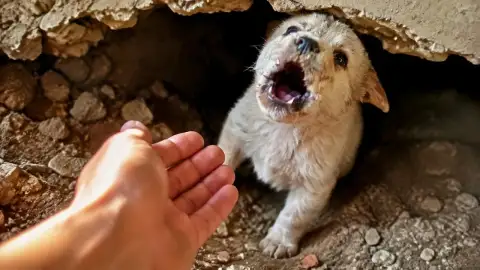
Itching in a newly rescued dog or cat can come from fleas, mites or skin infections picked up on the street, so these are checked and treated first. At Paw Squadron, the first stops after every rescue are the vet and a bath. Each animal gets a checkup, deworming and treatment against fleas and other parasites. Before adoption, every animal also receives its vaccinations and a microchip.
Allergies can still appear later. Environmental allergy often starts in the first few years of life, so a young dog or cat may begin to itch during its first seasons in a new home. It helps to keep flea control going without gaps and to ask the rescue team which parasite treatment was given and when, so your vet can plan the next one. If paw licking, ear trouble or steady itching begins, book a vet visit.
You can find more pet care guides in PawPedia, and the Adoptions page shows the dogs and cats waiting for a home.
See also
From our rescues


This article is general information, not veterinary advice. Always consult a veterinarian about your animal’s health. Some pictures in PawPedia may be AI-generated.
This page was last updated on October 24, 2026.