Caring for a Senior Cat: Health, Comfort, and Daily Life
From PawPedia, an encyclopedia of life with animals
Fact-checked against expert sources
Contents
In short
Veterinary guidelines class cats over about 10 years old as senior. Older cats should see a vet at least every six months, because kidney disease, an overactive thyroid, arthritis and dental pain are common and often hidden. Watching weight, appetite, thirst and litter habits, and making the home easier to move around, keeps them comfortable.
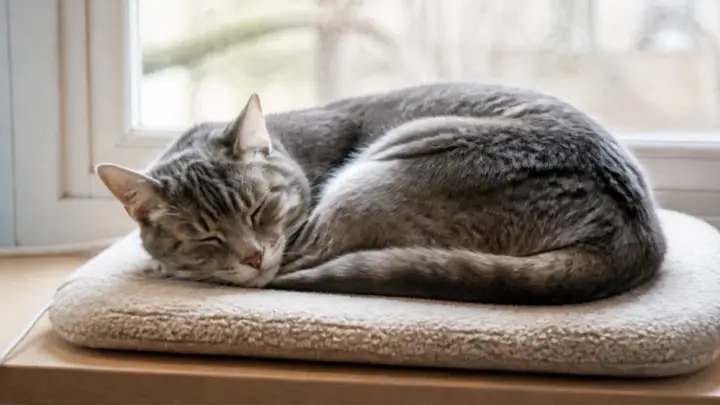
| Senior from | Cats aged 7 to 10 are mature adults and cats over about 10 are seniors, but the ages are a guide, not a rule |
|---|---|
| Checkups | At least every six months; very old cats, cats on long-term medicine and cats with several illnesses may need a visit every three to six months |
| A senior checkup | Weighing and body condition scoring, a full examination, blood pressure, blood tests and a urine test |
| Kidney disease | Estimated to affect up to 40 percent of cats over 10 and up to 80 percent of cats over 15 |
| Overactive thyroid | Affects about one in ten cats over 10; the classic sign is weight loss despite a big appetite |
| Arthritis | Reported in up to 74 percent of cats aged 12 and older; cats jump less, groom less or toilet outside the litter box rather than limp |
| Food and water | Smaller, more frequent meals of highly digestible food, warmed wet food and several wide, shallow water bowls |
| Home | Low-entry litter boxes on every floor, ramps or steps, warm soft beds and night lights for poor eyesight |
| At home | Check for new lumps once a month and write down any changes before each visit |
| Avoid | Human or dog pain medicines, because paracetamol (acetaminophen) can be deadly to cats, and special diets without your vet's advice |
| See a vet at once if | No food for 24 hours, straining with little or no urine, open-mouth breathing, sudden blindness or a seizure, back-leg paralysis, collapse |
Cats are living longer than ever. Many indoor cats reach their late teens, and some pass twenty. Aging is not a disease, and plenty of older cats stay healthy and playful. But cats are experts at hiding discomfort, and many changes that look like normal old age are really signs of illness that can be treated. This guide explains when a cat becomes senior, which problems are common, what a good checkup includes and how to make daily life easier at home.
When is a cat a senior
Veterinary life-stage guidelines from AAHA and the American Association of Feline Practitioners describe cats aged 7 to 10 as mature adults and cats over about 10 as seniors. The ages are a guide, not a rule. Some cats show age-related changes earlier, and some 12-year-olds are as fit as a younger cat.
Checkups every six months
The same guidelines recommend a checkup at least every six months for senior cats. Cats age faster than people, so a lot can change in half a year. Very old cats, cats on long-term medicine and cats with more than one illness may need to be seen every three to six months.
A senior checkup usually includes:
- Weighing your cat and scoring body condition and muscle condition
- A full examination of the teeth, eyes, heart, lungs, belly, thyroid area and joints
- Blood pressure measurement
- Blood tests, including kidney values and thyroid hormone
- A urine test, which often shows early kidney changes
- Questions about appetite, thirst, litter habits, sleep and behavior
Trends matter more than a single result. A small, steady weight loss or a slowly rising kidney value can be the first sign of disease, long before a cat seems unwell. Before the visit, write down any changes you have noticed. Our guide to taking your cat to the vet has tips for a calmer trip.
Common health problems in older cats
Some illnesses become much more common after about ten years of age. Most develop slowly, and early signs are easy to mistake for normal aging.
Kidney disease
Chronic kidney disease is very common in older cats. Cornell's Feline Health Center estimates it affects up to 40 percent of cats over 10 and up to 80 percent of cats over 15. Early on there are often no visible signs. Later, cats drink and urinate more, lose weight and appetite, groom less and may be constipated. There is no cure, but a kidney diet, good hydration and treatment of high blood pressure can help many cats live well for a long time. See chronic kidney disease in cats.
Overactive thyroid
Hyperthyroidism affects about one in ten cats over 10. The classic sign is weight loss despite a big appetite. Cats may also drink more, be restless, yowl at night, vomit or have an unkempt coat. It is treatable, and sometimes curable. Many affected cats also have kidney disease or high blood pressure, so your vet will check those as well. See hyperthyroidism in cats.
High blood pressure
The risk of high blood pressure rises with age, often alongside kidney or thyroid disease. It is easy to miss at home. Untreated, it can damage the eyes, heart, brain and kidneys. Sudden blindness from a detached retina can be the first sign, which is why blood pressure checks are part of senior care.
Arthritis
Arthritis is the most common joint disease in cats. The AAFP senior care guidelines report it in up to 74 percent of cats aged 12 and older, yet most cases are never noticed. Cats rarely limp. Instead, they quietly change how they live. Watch for:
- Jumping less, or hesitating before jumping up or down
- Using a chair as a step instead of jumping straight up
- Sleeping more, or choosing lower sleeping spots
- Grooming less, especially the back and hips, with a matted or scruffy coat
- Overgrown claws from less scratching
- Toileting outside the litter box, often because climbing in hurts
- Disliking being picked up, brushed or touched along the back
Arthritis cannot be cured, but pain relief prescribed by your vet, weight control and home changes can make a big difference. Never give your cat human or dog pain medicines. Cats process many drugs differently, and some common painkillers, such as paracetamol (acetaminophen), can be deadly to them.
Teeth and mouth
Dental disease is common in older cats and often goes unnoticed at home. Signs include drooling, pawing at the mouth, head shaking, eating on one side, dropping food or rubbing the face. A full check of the teeth usually needs anesthesia, and many older cats eat better after painful teeth are treated. Our guide to tooth resorption in cats covers one of the most painful causes.
Other conditions
Diabetes, cancer and changes in the brain also become more common with age. Diabetes often causes increased thirst and urination with weight loss. Cancer signs are often vague, such as weight loss, a poor appetite or tiredness, so check your cat for new lumps once a month. Cognitive changes can show as yowling at night, confusion, changes in sleep or social behavior, and house-soiling. Your vet will rule out medical causes first, since pain, thyroid disease and high blood pressure can cause similar signs.
When to see a vet
Book a visit soon if you notice gradual weight loss, drinking or urinating more, a change in appetite, less grooming, new lumps or changes in litter box habits. Contact your vet the same day, or an emergency clinic, if you notice any of these signs.
- Your cat has not eaten for 24 hours or more
- Straining in the litter box with little or no urine, especially in a male cat
- Fast, open-mouth or labored breathing
- Sudden blindness, dilated pupils, staggering or a seizure
- Sudden weakness or paralysis of the back legs, often with crying in pain
- Repeated vomiting, or vomiting with lethargy
- Collapse, or very pale or yellow gums
Food and water
Nutritional needs change with age. Cats in their late middle years tend to need fewer calories and can gain weight easily. Many cats over about 12 need more calories again, partly because the gut absorbs food less efficiently with age, and they can lose muscle. Weigh your cat regularly. Unexplained weight loss in an older cat always deserves a vet visit.
- Offer smaller, more frequent meals of a highly digestible food.
- Warm wet food slightly to make it smell stronger, since the sense of smell fades with age.
- Feed wet food, alone or mixed with dry, to increase water intake.
- Place several wide, shallow water bowls around the home, or try a fountain.
- Use wide, low-sided food bowls, and try a slightly raised bowl for cats with stiff necks.
- Do not switch to a special diet, such as a kidney diet, without your vet's advice.
Our guide on how to feed your cat covers portions and food types.
Making the home easier
Small changes help an older cat stay active and independent.
- Use litter boxes with a low entry, and put one on every floor of the home.
- Add ramps, steps or a sturdy chair so your cat can reach favorite windows and beds.
- Provide warm, soft beds away from drafts, including some at floor level.
- Keep food, water, beds and litter boxes in the same places, so the routine stays predictable.
- Add night lights for cats with poor eyesight.
- Brush gently, especially along the back and hips, and trim claws regularly.
- Play gently every day with wand toys or by rolling treats, so your cat keeps moving.
Older cats usually prefer calm and routine. Bringing home a lively kitten is often more stress than company for a senior cat. If you plan a new pet, introduce it slowly and give your older cat quiet places to retreat to.
Quality of life
As illness progresses, the aim of care shifts from length of life to comfort. Pain relief, anti-nausea medicine, fluids and palliative care can keep many older cats content for months or years. When comfort can no longer be kept, your vet can help you decide when it is time to say goodbye. Our guide to quality of life and euthanasia explains how to judge it.
Adopting an older cat
Older cats often wait longest for a home, even though many are calm, affectionate and already used to living with people. At Paw Squadron, every cat we rescue sees a vet for a checkup and deworming, so health issues are found early and adopters know what they are taking on. Giving a senior cat a quiet, warm home can be one of the most rewarding forms of adoption. If you adopt one, book a baseline checkup with your own vet in the first weeks.
For more guides on cat health and care, browse PawPedia. To ask about adopting an older cat, write to us from the Contact page.
See also
From our rescues



Sources
Online sources
- 2021 AAFP Feline Senior Care Guidelines · Journal of Feline Medicine and Surgery (PubMed Central)
- AAHA and AAFP Release Updated Feline Life Stage Guidelines to the Veterinary Community · American Association of Feline Practitioners
- Loving Care for Older Cats · Cornell Feline Health Center
- Chronic Kidney Disease · Cornell Feline Health Center
- Hyperthyroidism in Cats · VCA Animal Hospitals
- Acetaminophen Poisoning in Cats · VCA Animal Hospitals
- Rear Limb Weakness · Cummings School of Veterinary Medicine at Tufts University
- Feline Lower Urinary Tract Disease · Cornell Feline Health Center
Encyclopedias
- Aging in cats · Wikipedia
Books
- Блохина Т. В. Фелинология: учебное пособие [Felinology: A Study Guide]. 2-е изд. Санкт-Петербург: Лань, 2014. ISBN 9785811415175
- Little SE (ed.). The Cat: Clinical Medicine and Management. St. Louis: Elsevier Saunders, 2012. ISBN 9781437706604
This article is general information, not veterinary advice. Always consult a veterinarian about your animal’s health. Some pictures in PawPedia may be AI-generated.
This page was last updated on November 26, 2026.