Hyperthyroidism in Cats: Signs, Diagnosis, and Treatment
From PawPedia, an encyclopedia of life with animals
Contents
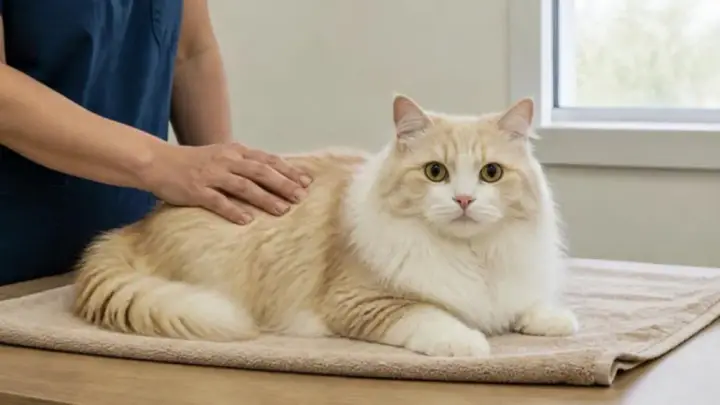
| Cause | In most affected cats, a benign growth or overgrowth of thyroid tissue that makes extra hormone |
|---|---|
| Most at risk | Older cats; age is the clearest risk factor, and males and females are affected equally |
| Usual age | Rare in cats under 7; the average age at diagnosis is about 12 |
| First signs | Slow weight loss is often the first clue |
| Common signs | Eating more but losing weight, more thirst and urine, restlessness, loud meowing (often at night), vomiting or diarrhea, a scruffy coat |
| Diagnosis | A blood test for the main thyroid hormone, called T4, confirms it in most cats |
| Treatment | Anti-thyroid medicine, radioactive iodine, surgery or an iodine-restricted prescription diet; your vet can help you compare them |
| Outlook | Most cats do well with treatment, especially when the problem is found early |
| Prevention | No known way to prevent it; the best protection is finding it early |
| Risk to people | Not contagious; after radioactive iodine treatment, follow the center's advice on limiting close contact for a short time |
| Emergency if | Fast, labored or open-mouth breathing, sudden blindness, collapse or severe weakness, no food for a day or more, repeated vomiting |
Hyperthyroidism is one of the most common hormone problems in older cats. It happens when the thyroid gland in the neck makes too much thyroid hormone. This hormone sets the pace of the body's metabolism, so an excess makes the whole body run too fast. The typical picture is a senior cat that eats more than ever and still gets thinner. Most cats do well with treatment, especially when the problem is found early.
What causes it
The thyroid gland has two small lobes, one on each side of the windpipe. In most hyperthyroid cats, a benign growth or overgrowth of thyroid tissue starts making extra hormone. Both lobes are affected in about 70 percent of cases. Thyroid cancer is rare in cats and causes only around 2 in 100 cases.
Why this tissue changes is still unknown. Researchers have looked at possible links with diet and with some household chemicals, such as certain flame retardants, but no single cause has been proven. Age is the clearest risk factor. The condition is rare in cats under 7, and the average age at diagnosis is about 12. Males and females are affected equally.
Signs to watch for
Signs usually build slowly over weeks or months. Owners often put them down to old age, so many cats are diagnosed later than they could be. Watch for these changes, especially in a cat over 7.
- Weight loss even though the cat eats well or more than usual
- A big appetite, sometimes with begging or stealing food
- Drinking more water and passing more urine
- Restlessness, pacing, or more energy than usual for the cat's age
- Loud meowing, often at night
- Irritability or new grumpy behavior
- Vomiting, diarrhea, or more stool than usual
- A scruffy, unkempt coat
- A fast heartbeat or faster breathing
A small number of cats show the opposite picture. They lose their appetite, become quiet or weak, and sleep more. Most of these cats still lose weight. In both forms, slow weight loss is often the first clue. Weighing an older cat at home once a month, or at every vet visit, makes a downward trend easier to spot.
Effects on the heart, eyes, and kidneys
Extra thyroid hormone makes the heart work harder. The heart rate stays high, and over time the heart muscle can thicken. Left untreated, this can lead to heart failure. About 1 in 5 hyperthyroid cats also has high blood pressure, which can damage the eyes, kidneys, heart, and brain. In the eyes, it can cause bleeding in the retina or detachment of the retina, and this may lead to sudden blindness. Heart changes and high blood pressure can improve once the thyroid is under control.
Kidney disease is also common in older cats, and the two conditions often appear together. The extra hormone can make kidney values on blood tests look better than the kidneys really are. Once the thyroid is under control, a kidney problem that was there all along may show up. This is a known effect, and it is one reason vets follow treated cats closely.
When it is an emergency
Hyperthyroidism usually develops slowly. A cat with the signs above should see a vet soon, and a few complications need help the same day. Contact a vet right away if your cat shows any of these signs.
- Fast or labored breathing, or breathing with the mouth open
- Sudden blindness, bumping into things, or wide pupils that do not shrink in light
- Collapse, severe weakness, or inability to stand
- Refusing all food for a day or more, or vomiting again and again
If your cat already takes anti-thyroid medicine, call the vet if it stops eating, scratches its face until the skin is sore, has yellow gums or eyes, or shows unusual bruising or bleeding. Serious side effects are uncommon and usually appear in the first weeks of treatment. They still need a prompt check.
How vets diagnose it
The vet will ask about appetite, weight, thirst, and behavior, and then examine the cat. In many hyperthyroid cats, the vet can feel an enlarged thyroid lobe in the neck, although a small lump there is sometimes found in cats with normal thyroid levels. A fast heart rate, a heart murmur, or an irregular rhythm may be heard.
A blood test for the main thyroid hormone, called T4, confirms the diagnosis in most cats. In about 5 to 10 percent of affected cats, the result falls in the normal range. This is more likely early in the disease or when another illness is present. The vet may then repeat the test a few weeks later, add a related test called free T4, or suggest a thyroid scan at a referral center.
Vets also look at the whole cat. This usually means general blood work, a urine test, and a blood pressure check. Heart tests may be advised if there is a murmur or a change in breathing. Other causes of weight loss with a good appetite, such as diabetes, bowel disease, and parasites, are ruled out along the way.
Treatment options
There are four main approaches. Each has benefits and limits, and the best choice depends on the cat's age, other health problems, cost, and what is available where you live. Your vet can help you compare them.
Anti-thyroid medicine controls hormone production but does not cure the disease, so it is usually given every day for life. It comes as tablets or liquid, and some cats can have a gel that is absorbed through the skin. Regular blood tests are needed, often every 3 to 6 months once the cat is stable. The abnormal tissue keeps growing slowly, so the amount of medicine may need to change over time.
Radioactive iodine is a single treatment that destroys the overactive tissue. It cures about 95 percent of cats. It is only offered at specially licensed centers. The cat is temporarily radioactive, so it stays in the hospital for a few days to a few weeks, depending on the dose and local rules. For a period after it comes home, often about two weeks, the center will explain how to limit close contact and handle the litter.
Surgery removes the affected thyroid tissue and can also cure the disease. The risks include anesthesia in an older cat, which is harder when the heart is affected, and damage to the nearby parathyroid glands, which control calcium levels. Cats are usually stabilized with medicine before the operation. The disease can return if some abnormal tissue is left behind.
An iodine-restricted prescription diet works because the thyroid needs iodine to make its hormone. It only works if the cat eats nothing else. That means no treats the vet has not approved, no food from other pets, no table scraps, and no hunting. Some cats dislike the taste, and feeding can be hard to manage in a home with several cats, so ask the vet how to set it up.
Because treating the thyroid can reveal kidney disease, vets often start with an option that can be stopped or adjusted, such as medicine. If the kidneys stay stable, a permanent treatment can then be considered. Whatever the choice, follow-up visits matter. The vet will recheck thyroid levels, kidney values, and blood pressure. Sometimes the thyroid level drops too low after treatment. This can strain the kidneys, so the vet watches for it and adjusts the plan. With good follow-up, most cats regain weight and do well.
Prevention and spread
There is no known way to prevent hyperthyroidism. The best protection is finding it early, before the heart, eyes, or kidneys are damaged. Yearly blood and urine tests are recommended for cats aged 7 and older, and many vets advise checkups twice a year for senior cats.
Hyperthyroidism is not contagious. It comes from a change in the cat's own thyroid gland, so it cannot pass to other cats, dogs, or people. The only special precaution is the short period of limited contact after radioactive iodine treatment. Dogs rarely develop hyperthyroidism, and the causes and treatment differ, so this guide applies to cats.
Older rescue cats and new adopters
Older cats also come into rescue, and their history is often unknown. At Paw Squadron, the first stops after every rescue are the vet and a bath, with a checkup, deworming, and treatment against fleas and other parasites. Every animal also gets treatment, vaccinations, and a microchip before adoption. Weight loss in a newly rescued cat can have many causes, such as parasites or a long time without enough food.
If you adopt a cat over 7, ask your own vet about baseline blood and urine tests in the first months, and weigh the cat regularly. A cat that eats well but keeps losing weight after settling in should be checked, and the thyroid is one of the first things vets look at in an older cat. Hyperthyroidism is manageable in most cats. You can meet cats looking for homes on our Adoptions page and find more cat health guides in PawPedia.
See also
From our rescues
 9:36He Cried In Pain For Days Until Someone Finally Heard HimCozy Osbourne · February 8, 2023
 9:16Small Puppy Was Screaming for Help and Struggling to Survive Until This HappenedJames Brownie · November 12, 2022
 9:47Abandoned Puppy Was Scared to Death and Barely Surviving Until This HappenedCorner O'Brien · October 29, 2022
This article is general information, not veterinary advice. Always consult a veterinarian about your animal’s health. Some pictures in PawPedia may be AI-generated.
This page was last updated on October 10, 2026.