Giardie u psů a koček: příznaky, léčba a prevence
Z encyklopedie PawPedia o životě se zvířaty
Obsah
Stručně
Giardie jsou drobní střevní paraziti, kteří způsobují měkkou, zapáchající stolici, jež přichází a odchází, i když mnoho dospělých zvířat nemá žádné příznaky. Obvykle se léčí léky, koupáním a důkladným úklidem doma. Při krvi ve stolici, opakovaném zvracení nebo u štěněte či koťete s průjmem, které přestalo žrát, kontaktujte veterináře ještě týž den.
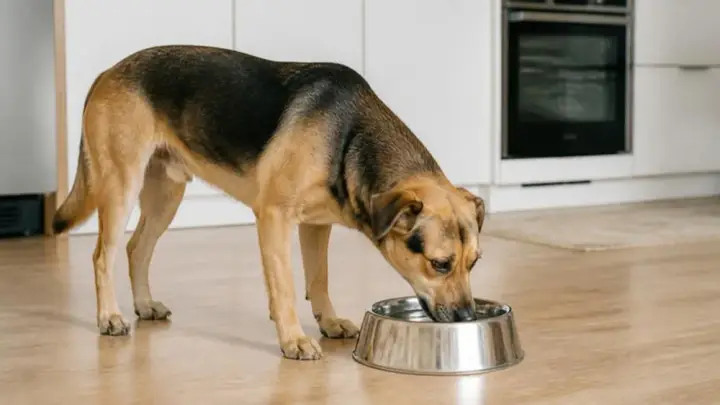
| Příčina | Giardie, jednobuněčný organismus, kterému se říká prvok |
|---|---|
| Výskyt | Tenké střevo psů, koček a mnoha dalších živočichů včetně lidí |
| Nejvyšší riziko | Zvířata mladší jednoho roku a zvířata z míst, kde žije pohromadě mnoho zvířat, například z útulků |
| Jak se šíří | Spolknutím cyst ze stolice jiného nakaženého zvířete |
| Běžné příznaky | Měkká, zapáchající stolice nebo průjem, který přichází a odchází, plynatost a úbytek hmotnosti; mnoho nakažených zvířat nemá žádné příznaky |
| Diagnostika | Veterinář vyšetří vzorek stolice; může být potřeba více vzorků, protože jeden negativní výsledek giardii ne vždy vyloučí |
| Léčba | Obvykle kúra léků proti parazitovi od veterináře, podávaná ústy po několik dní |
| Prognóza | Obvykle léčitelná; většina zvířat se se správnou léčbou a dobrou hygienou doma dobře uzdraví |
| Prevence | Hygiena, čistá voda a kontroly stolice podle doporučení veterináře |
| Riziko pro lidi | Nízké; typy u psů a koček se obvykle liší od těch, které způsobují onemocnění lidí |
| Akutní stav, pokud | Krvavá nebo černá stolice, opakované zvracení, slabost nebo kolaps, suché dásně, oteklé nebo bolestivé břicho nebo mládě, které přestane jíst |
Giardie je drobný parazit, který žije v tenkém střevě psů, koček a mnoha dalších živočichů včetně lidí. Patří k nejčastějším střevním parazitům u štěňat a koťat. Mnoho dospělých zvířat je jejími nositeli, aniž by kdy vypadala nemocně. U jiných, zejména mladých nebo stresovaných zvířat, se po celé týdny střídavě objevuje měkká, zapáchající stolice.
Giardii lze obvykle diagnostikovat a léčit bez větších potíží. Těžší je zabránit tomu, aby se vrátila, protože se snadno šíří a v domácím prostředí dobře přežívá.
Co je giardie
Giardie je jednobuněčný organismus, kterému se říká prvok, a je zdaleka příliš malá na to, aby byla ve stolici vidět. Přichytí se na sliznici tenkého střeva a ztěžuje střevu vstřebávat živiny a vodu. Nakažená zvířata vylučují stolicí drobné cysty a tyto cysty infekci šíří.
Jak se šíří
Zvíře se giardií nakazí tak, že spolkne cysty ze stolice jiného nakaženého zvířete. Pes se může napít z louže, rybníka nebo potoka, olízat trávu, kde předtím byl jiný pes, nebo sníst stolici, což dělá mnoho štěňat. Kočka si může cysty ve společné toaletě zachytit na tlapky nebo srst a při čištění je spolknout. Cysty mohou přenášet také misky na krmivo a vodu, hračky a pelíšky.
Cysty mohou nakazit další zvíře hned po vyloučení a stačí jich jen několik. Na chladných a vlhkých místech mohou přežít týdny, nebo dokonce měsíce.
Cysty se ve stolici obvykle objeví přibližně do dvou týdnů od nákazy. Nakažené zvíře je může vylučovat týdny nebo měsíce, ať už vypadá nemocně, nebo ne, a opakovaně nakažovat sebe i zvířata, se kterými žije.
Riziko pro další zvířata a lidi
Giardie se snadno šíří mezi zvířaty stejného druhu. Pokud ji má jeden pes v domácnosti, jsou ohroženi i ostatní psi, a totéž platí pro kočky. Veterinář vám může doporučit otestovat i ostatní zvířata. Psi a kočky obvykle nosí různé typy giardií, takže přenos mezi psem a kočkou se zdá neobvyklý.
Riziko pro lidi je nízké. Typy, které nakazí psy a kočky, se obvykle liší od těch, které způsobují onemocnění lidí, a odborníci na veřejné zdraví uvádějí, že je nepravděpodobné, že byste se giardií nakazili od svého zvířete. Riziko přesto není nulové, takže pečlivá hygiena má smysl, zejména v domácnostech s malými dětmi nebo s kýmkoli, kdo má oslabený imunitní systém. Pokud má někdo v domácnosti také průjem, může být vhodné, aby navštívil svého lékaře.
Příznaky, kterých si všímat
Mnoho nakažených zvířat, zejména dospělých psů, nemá vůbec žádné příznaky. Pokud se příznaky objeví, týkají se většinou střev.
- Měkká, světlá nebo mastná stolice, často s hlenem a silným, nepříjemným zápachem
- Průjem, který se po dny nebo týdny střídavě objevuje a mizí
- Více plynů než obvykle nebo známky bolesti břicha
- Úbytek hmotnosti
- Méně energie než obvykle nebo slabá chuť k jídlu
- Zvracení, i když je méně časté
Krev ve stolici není pro giardii typická. Pokud ji uvidíte, může jít o něco jiného – buď místo giardie, nebo současně s ní.
Kdy jde o akutní stav
Samotná giardie je pro zdravé dospělé zvíře jen vzácně životu nebezpečná. Hlavním nebezpečím je dehydratace z přetrvávajícího průjmu, která se může rychle rozvinout u malých štěňat a koťat, starších zvířat a zvířat s jinými nemocemi. Pokud si všimnete kteréhokoli z těchto příznaků, kontaktujte ještě týž den svého veterináře nebo veterinární pohotovost.
- Krev ve stolici nebo černá, dehtovitá stolice
- Opakované zvracení nebo vaše zvíře nedokáže v sobě udržet vodu
- Slabost, kolaps nebo neobvyklý útlum
- Suché nebo lepkavé dásně nebo vpadlé oči
- Štěně nebo kotě s průjmem, které přestane jíst nebo pít
- Oteklé nebo bolestivé břicho
U mladého štěněte, které není plně očkované, mohou být zvracení a krvavý průjem také příznaky parvovirózy, závažného virového onemocnění, které vyžaduje naléhavou péči. U mírnějšího průjmu, který trvá déle než den či dva nebo se stále vrací, je dobré objednat se na běžnou prohlídku a přinést čerstvý vzorek stolice.
Jak veterináři nemoc diagnostikují a léčí
Diagnostika začíná vzorkem stolice. Veterinář může hledat cysty pod mikroskopem, použít test, který zachytí bílkoviny giardie, nebo vzorek poslat do laboratoře. Cysty se vylučují přerušovaně, takže jeden negativní výsledek giardii ne vždy vyloučí. Veterináři často žádají vzorky z několika dní nebo použijí více než jeden test.
Pozitivní test ne vždy znamená, že je potřeba léčba. Veterinární doporučené postupy obecně radí léčit zvířata, která mají průjem nebo jiné příznaky. U zvířat bez příznaků veterinář zvažuje situaci, například zda zvíře žije s mnoha dalšími zvířaty, s malými dětmi nebo s lidmi s oslabenou imunitou.
Léčba obvykle znamená kúru léků proti parazitovi, které se podávají ústy po několik dní. Někdy veterinář zkombinuje dva léky nebo kúru zopakuje a může na nějakou dobu doporučit lehce stravitelnou dietu. Pomáhá, když kúru podáte celou, i když stolice vypadá normálně už dříve.
Součástí plánu bývá často i koupání. Cysty ulpívají na srsti kolem ocasu a zadních nohou a zvíře je může při čištění znovu spolknout. Mnoho veterinářů doporučuje koupel na konci léčby a někdy i na jejím začátku. U kočky může veterinář navrhnout umýt jen oblast kolem ocasu. Zeptejte se svého veterináře, jaký šampon použít.
Veterinář může požádat o kontrolní vyšetření stolice. Některé testy zůstávají ještě nějakou dobu pozitivní, i když léčba zabrala, a proto veterinář výsledek posuzuje společně s tím, jak se vašemu zvířeti daří. Giardie se často vrací, protože se jí zvíře znovu nakazí z okolí, takže úklid doma je stejně důležitý jako léky.
Úklid a prevence doma
Proti giardii neexistuje žádná doporučená vakcína. Mezinárodní doporučení pro očkování existující vakcíny proti giardii nedoporučují a ve většině zemí se už neprodávají. Prevence spočívá v hygieně, čisté vodě a kontrolách stolice podle doporučení veterináře.
Během léčby a ještě několik týdnů po ní pomáhá zabránit opětovné nákaze několik návyků. Stolici sbírejte alespoň jednou denně a vyhazujte ji do směsného odpadu. Misky na krmivo a vodu denně myjte velmi horkou vodou. Pelíšky a plyšové hračky perte na vysokou teplotu. Kočičí toalety často čistěte a před novým naplněním je nechte úplně vyschnout. Tvrdé podlahy a boxy čistěte parním čističem nebo dezinfekčním prostředkem, který doporučí veterinář. Cysty nejlépe přežívají ve vlhku, takže vysoušení je součástí úklidu.
Trávu a hlínu je těžké vyčistit, takže venku nejvíce pomáhá rychlý úklid stolice a vysychání na slunci. Snažte se nedovolit zvířeti pít z louží, rybníků nebo potoků a na procházky noste čerstvou vodu. Po sbírání stolice, čištění toalety, podávání léků nebo koupání zvířete si umyjte ruce.
Proč je to důležité u zachráněných a adoptovaných zvířat
Průzkumy v celé Evropě nacházejí giardii celkově jen u několika procent domácích psů a koček. Výskyt se liší podle oblasti a je mnohem vyšší u zvířat mladších jednoho roku a na místech, kde žije pohromadě mnoho zvířat, například v útulcích.
Studie zveřejněná v roce 2015 testovala přibližně 1 600 psů z několika zemí jihovýchodní Evropy, mezi nimi Bulharska, Severní Makedonie a Srbska. Giardii zjistila přibližně u jednoho psa ze tří a u více než poloviny psů žijících v útulcích. Všechny vzorky, u nichž byl dále určen typ, obsahovaly psí typy a žádný neobsahoval typy obvykle spojované s onemocněním lidí.
Pouliční zvířata sdílejí prostor a vodu s mnoha dalšími. Záchrana, cestování a nový domov jsou stresující a stres může vyvolat příznaky u zvířete, které dosud giardii nosilo skrytě. Měkká stolice v prvních týdnech může mít mnoho příčin, včetně změny krmiva, a giardie je jednou z nich.
V projektu Paw Squadron vede první cesta po každé záchraně k veterináři a do koupele. Každé zvíře dostane prohlídku, odčervení a ošetření proti blechám a dalším parazitům a před adopcí je každé zvíře očkováno a očipováno. Giardie se přesto může objevit později. Cysty se vylučují přerušovaně a snadno se přehlédnou, běžná dávka odčervovacího přípravku nemusí giardii odstranit a zvíře se může kdykoli nakazit znovu.
Pokud jste právě adoptovali, je dobré brzy po příjezdu zajít k vlastnímu veterináři a přinést čerstvý vzorek stolice, zejména pokud máte další zvířata. Evropská doporučení týkající se parazitů radí testovat nová štěňata a koťata, která přicházejí do domácnosti s dalšími zvířaty. Pokud můžete, mějte první týdny misky, pelíšek a kočičí toaletu nového zvířete oddělené.
Giardie je běžná a obvykle léčitelná a většina zvířat se se správnou léčbou a dobrou hygienou doma dobře uzdraví. Máte-li otázky k péči, kterou naše zvířata dostávají před adopcí, podívejte se do častých dotazů nebo navštivte stránku Adopce.
Související články
Z našich záchran
 9:16Malé štěně křičelo o pomoc a bojovalo o přežití, dokud se nestalo tohleJames Brownie · 12. listopadu 2022
 8:31Opuštěné štěně se po záchraně nepřestávalo usmívatTailor Swift · 2. července 2022
 11:00Opuštěné štěně bylo pohozeno do kontejneru a bojovalo o přežití, dokud se nestalo tohleBruce Springclean · 18. června 2022
Tento článek slouží jako obecná informace, nejde o veterinární radu. O zdraví svého zvířete se vždy poraďte s veterinářem. Některé obrázky v encyklopedii PawPedia mohou být vytvořeny umělou inteligencí.
Tato stránka byla naposledy aktualizována 26. září 2026.