Solan Yavru Sendromu: Belirtiler, Nedenler ve Yapılması Gerekenler
Hayvanlarla yaşam ansiklopedisi PawPedia’dan
İçindekiler
Kısaca
Solan yavru sendromu, doğumda normal görünen ancak sonra zayıflayıp çoğu zaman iki hafta içinde ölen yeni doğan yavru köpekleri tanımlar; nedenler arasında üşüme, düşük kan şekeri, enfeksiyon, parazitler ya da doğumsal kusurlar vardır. Soğuk bir yavruyu yavaşça ısıtın ve aynı gün bir veteriner arayın; yavru soğuk, gevşek ya da emmiyorsa hemen arayın.
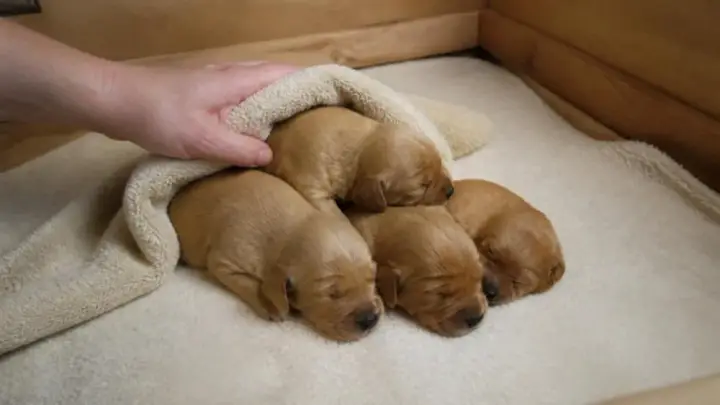
| Neden | Üşüme ve düşük kan şekerinden enfeksiyonlara, parazitlere ve doğuştan bozukluklara kadar pek çok olası neden |
|---|---|
| Etkilediği | Doğumda normal görünen, ardından genellikle yaşamın ilk iki haftası içinde güçten düşen yeni doğmuş yavrular |
| Nasıl bulaşır | Nedenlerin birkaçı bulaşıcıdır; örneğin köpek herpesvirüsü yakın temas ve vücut sıvılarıyla yayılır |
| İlk belirtiler | İlk bir iki gün çoğu zaman hiçbir belirti yoktur; yavruları her gün elinize alıp tartmak erken değişiklikleri fark etmeyi kolaylaştırır |
| Sık görülen belirtiler | Zayıf emme ya da hiç emmeme, çok ağlama ya da sessizleşip gevşek düşme, kardeşlerinden ayrı yatma, dokununca serin gelme, kilo almama, ishal |
| Tanı | Veteriner hekim vücut ısısını, kiloyu, sıvı durumunu, diş etlerini, ağzı ve karnı, çoğu zaman da kan şekerini kontrol eder; genellikle anneyi de muayene eder |
| Tedavi | Veteriner hekim yavruyu yavaşça ısıtır, ardından sıvı ve şeker verir; nefes almakta zorlanıyorsa oksijen, enfeksiyondan şüpheleniliyorsa antibiyotik uygular |
| Prognoz | Bazı yavrular iyi toparlanır; bazılarının durumu ise iyi bakıma rağmen kötüleşir |
| Korunma | Doğum kutusunu sıcak, kuru ve cereyansız tutun; içinde daha sıcak bir köşe ve daha serin bir köşe olsun |
| İnsanlar için risk | Köpeklerden gelen yuvarlak solucanlar ve kancalı kurtlar insanlara, özellikle çocuklara bulaşabilir |
| Şu durumlarda acil | Üç haftalıktan küçük bir yavru soğuk, gevşek, emmiyor ya da güçlükle nefes alıyor |
Solan yavru sendromu, doğumda normal görünen, ardından genellikle yaşamın ilk iki haftası içinde güçten düşen ve çoğu zaman ölen yeni doğmuş yavrular için kullanılan bir terimdir. Üşüme ve düşük kan şekerinden (hipoglisemi) enfeksiyonlara, parazitlere ve doğuştan bozukluklara kadar pek çok olası nedeni olan bir belirti tablosunu tanımlar. Veteriner kaynakları, yeni doğan dönemindeki kayıpları yavruların kabaca %9 ila %26’sı olarak verir; ölümlerin çoğu ilk haftada görülür.
Yeni doğmuş yavrular neden bu kadar hızlı güçten düşer
Bu kadar küçük yavruların vücut rezervleri çok sınırlıdır. Yaklaşık dört haftalık olana kadar kendi vücut ısılarını düzenleyemezler, çok az yağ ve şeker depolarlar ve hızla sıvı kaybederler. Bir şey ters gittiğinde diğerleri de genellikle peşinden gelir. Üşüyen yavru emmeyi bırakır. Emmeyi bırakan yavrunun şekeri ve sıvısı azalır. Güçsüz ve dehidrasyona (sıvı kaybına) uğramış yavru daha da üşür. Bu kısır döngü bir yavruyu saatler içinde sessiz hâlden tepkisiz hâle getirebilir; bu yüzden erken müdahale önemlidir.
Dikkat edilmesi gereken belirtiler
Güçten düşmekte olan bir yavru ilk bir iki gün çoğu zaman iyi görünür. Her yavruyu her gün elinize alıp tartarsanız erken değişiklikleri fark etmek kolaylaşır.
- Çok ağlama ve sakinleşememe ya da sessizleşip gevşek düşme
- Zayıf emme ya da meme ucunu hiç kavrayamama
- Yığının içinde değil, annesinden ve kardeşlerinden ayrı yatma
- Dokununca serin gelme, özellikle ağzının içi
- İlk günden sonra kilo almama ya da kilo kaybı
- İshal ya da koyu, katran gibi dışkı
- Güçlükle nefes alma, şişmiş karın ya da soluk diş etleri
- Emme sırasında ya da sonrasında burundan süt gelmesi
Anne de ipuçları verebilir. Anne hasta görünüyorsa, ateşi varsa, bir yavruyu kendinden uzaklaştırıyorsa ya da kötü kokulu bir akıntısı veya sıcak ve ağrılı memeleri varsa bunu veteriner hekime söyleyin. Annedeki enfeksiyonlar sütü ve vücut sıvıları yoluyla yavrulara geçebilir.
Ne zaman acil durumdur
Üç haftalıktan küçük bir yavruda bu belirtilerden herhangi biri acil bir durumdur. En iyisi aynı gün bir veteriner hekimi aramaktır; yavru soğuksa, gevşekse, emmiyorsa ya da güçlükle nefes alıyorsa hemen arayın. Bazı enfeksiyonlar çok hızlı ilerler. Köpek herpesvirüsünde bir yavru, ilk belirtilerden sonraki 24 saat içinde ölebilir.
Veteriner bakımını ayarlarken önceliği sıcaklığa verin. Veteriner hekimler, üşümüş bir yavrunun en az 30 dakikaya yayılarak yavaşça ısıtılmasını önerir. Yavruyu vücudunuza yaslayarak tutabilir ya da üzeri havluyla örtülü bir ısı kaynağı kullanabilirsiniz; yavru fazla ısınırsa uzaklaşabileceği bir alan bırakın. Veteriner hekimler, soğuk olan ya da ememeyecek kadar güçsüz bir yavrunun beslenmemesini önerir. Üşümüş bir bağırsak çalışmayı durdurur ve süt akciğerlere kaçabilir. Kliniğe varmadan önce ağızdan bir şey verip vermemeniz gerektiğini telefonda veteriner hekime sorun.
Sık görülen nedenler
Üşüme en sık görülen sorunlardan biridir. İlk haftada bir yavrunun normal vücut ısısı yetişkin bir köpeğinkinden düşüktür; yaklaşık 35–37 °C’dir (95–99 °F). Bu ilk haftada yavruların uyuduğu alanın yaklaşık 29–32 °C (84–89 °F) arasında tutulması en iyisidir. Annesinden uzaklaşan bir yavru ya da soğuk bir zeminde yatan yavrular hızla ısı kaybeder.
Yetersiz beslenme de sık görülen bir sorundur. Yavruların yaşamın ilk saatlerinde ilk süt olan kolostruma (ağız sütüne) ihtiyacı vardır. Kolostrum anneden geçen antikorları taşır ve bağırsak bunları yalnızca yaklaşık ilk gün boyunca emebilir. Zayıf, hasta ya da stresli bir anne, kalabalık bir batın veya küçük, güçsüz bir yavru, bazı yavruların yeterince süt alamaması anlamına gelebilir. Ardından hızla düşük kan şekeri ve dehidrasyon gelir. Küçük, güçsüz yavrular ve toy ırklar daha yüksek risk altındadır.
Enfeksiyonlar başlıca nedenlerden biridir. Annenin rahmindeki ya da sütündeki bir enfeksiyondan veya zor bir doğumdan kaynaklanan bakteriler yeni doğmuş yavrunun kan dolaşımına ulaşarak sepsise yol açabilir. Köpek herpesvirüsü ilk üç haftada özellikle tehlikelidir, çünkü en iyi yeni doğmuş yavrunun daha düşük vücut ısısında çoğalır. Etkilenen yavrularda çoğu zaman ateş görülmez; güçsüzlük, zayıf emme, ishal ve burun akıntısı görülebilir. Bulaşıcı köpek hepatiti de küçük yavruları öldürebilir. Köpeklerin düzenli olarak aşılandığı yerlerde artık nadir görülmektedir.
Parazitler de rol oynar. Yuvarlak solucan larvaları doğumdan önce anneden yavrulara geçer; kancalı kurt larvaları ise süt yoluyla geçer. Kancalı kurtlar kanla beslenir ve yoğun şekilde enfekte olmuş bir yavru, dışkı testinde henüz hiç yumurta görülmeden ağır anemiye (kansızlığa) girebilir.
Doğumla ilgili sorunlar ve doğuştan bozukluklar da bir diğer nedendir. Uzun ya da zor bir doğum, sezaryen veya annenin yavrunun üzerine yatması yavruyu güçsüz düşürebilir. Bazı yavrular hayatta kalmalarını zorlaştıran bozukluklarla doğar. Bunun bir örneği, ağzın tavanında bir açıklık olan damak yarığıdır. Burundan süt damlaması ve emmede güçlük olağan ipuçlarıdır.
Veteriner hekimler nasıl teşhis ve tedavi eder
Veteriner hekim yavrunun vücut ısısını, kilosunu, sıvı durumunu, diş etlerini, ağzını ve karnını, çoğu zaman da kan şekerini kontrol eder. Duruma göre kan testleri yapabilir, bir dışkı örneğini inceleyebilir ve bakteri ya da virüs aramak için örnekler alabilir. Veteriner hekim genellikle anneyi de sütü ve varsa akıntısı dâhil olmak üzere muayene eder, çünkü sorun çoğu zaman anneden başlar.
Tedavi nedene bağlıdır ve büyük ölçüde destekleyicidir. Genellikle yavaş yavaş yeniden ısıtmayla başlar; ardından veteriner hekim sıvı ve şeker verir, nefes almak güçse oksijen, enfeksiyondan şüpheleniliyorsa antibiyotik uygular. Yavru ısınıp durumu dengelendiğinde veteriner hekim size yavrunun emmesine nasıl yardımcı olacağınızı ya da onu biberonla veya sondayla nasıl besleyeceğinizi gösterebilir. Bazı yavrular iyi toparlanır. Bazılarının durumu ise iyi bakıma rağmen kötüleşir, çünkü durum hızla ilerler ve belirtiler çoğu zaman geç ortaya çıkar.
Bir yavru ölürse veteriner hekime ölüm sonrası inceleme (nekropsi) yapılıp yapılamayacağını sorun. Bu, çoğu zaman nedeni bulmanın ve diğer yavruları korumanın en iyi yoludur.
Nasıl önlenir
Korunmanın büyük kısmı, doğum dönemindeki basit rutinlerden oluşur.
- Doğum kutusunu sıcak, kuru ve cereyansız tutun; içinde daha sıcak bir köşe ve daha serin bir köşe olsun, ardından sonraki haftalarda ısıyı yavaş yavaş azaltın
- Doğumdan sonraki ilk saatlerde her yavrunun emdiğinden emin olun
- Her yavruyu doğumda ve ilk iki hafta boyunca günde en az bir kez tartın ve yazılı bir kayıt tutun
- Yatağı temiz tutun ve keskin temizlik ürünü buharlarını yavrulardan uzak tutun
- Anneyi gebeliğin son üç haftasında ve doğumdan sonraki ilk üç haftada diğer köpeklerden uzak tutun; yavrulara dokunmadan önce ellerinizi yıkayın
- Gebelik sırasında anneyi veteriner hekime kontrol ettirin; anne ve yavrular için aşıları ve bir iç parazit tedavisi planını sorun
İlk günden sonra sağlıklı yavrular her gün vücut ağırlıklarının yaklaşık %5 ila %10’u kadar kilo alır. İlk gün doğum ağırlığının yaklaşık onda birine kadar küçük bir kayıp normal olabilir. Bundan sonraki kilo kaybı ya da kilo alamama, veteriner hekimi aramak için bir nedendir. Veteriner hekimler yavruların iç parazit tedavisine çoğu zaman yaklaşık iki haftalıkken başlar ve bir süre boyunca iki haftada bir tekrarlar. Avrupa’da gebe köpekler için köpek herpesvirüsüne karşı bir aşı mevcuttur. Bakımını üstlendiğiniz gebe bir köpek için bunun uygun olup olmadığını veteriner hekiminize sorun.
Diğer hayvanlar ve insanlar için risk
Solan yavru sendromunun nedenlerinden birkaçı bulaşıcıdır. Köpek herpesvirüsü ve bulaşıcı köpek hepatiti köpekler arasında yakın temas ve vücut sıvılarıyla yayılır. Hasta yavruları diğer köpeklerden ayrı tutmak ve aralarında geçiş yaparken ellerinizi yıkamak yardımcı olur. Yetişkin köpeklerde köpek herpesvirüsü genellikle öksürük veya göz tahrişi gibi yalnızca hafif belirtilere yol açar. İnsanlara bulaşmaz.
Bazı parazitler insanlar için risk oluşturur. Köpeklerden gelen yuvarlak solucanlar ve kancalı kurtlar insanlara, özellikle çocuklara bulaşabilir; bu nedenle dışkıları hemen temizleyin ve yavrulara ve yataklarına dokunduktan sonra ellerinizi yıkayın. Anne yavru atmışsa ya da ölü yavru doğurmuşsa veteriner hekim onu, nadir durumlarda insanlara da geçebilen bakteriyel bir enfeksiyon olan bruselloz açısından test edebilir.
Kurtarılan yavrular ve yeni aileler
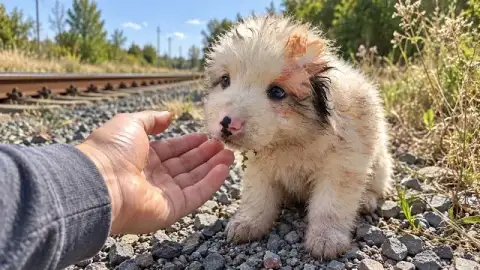
Kurtarılan yavrular hayata çoğu zaman dezavantajlı başlar. Anne zayıf, aşısız ya da kurtlu olabilir, doğum dışarıda soğukta gerçekleşmiş olabilir ve bazı yeni doğmuş yavrular annesiz bulunur. Öksüz yavrular kolostrum alamamış olabilir ve annelerinin sıcaklığını kaybetmişlerdir. Sıcak bir kutuya, veteriner hekimin size gösterdiği şekilde biberonla ya da sondayla beslenmeye ve yakın takibe ihtiyaç duyarlar. Yeni doğmuş yavruları yanınıza aldığınız anda, yavrular iyi görünse bile bir veteriner hekimle iletişime geçmeniz en iyisidir.
Paw Squadron’da her kurtarmanın ardından ilk durak veterinerdir; sahiplenmeden önce her hayvanın kontrolü ve tedavisi yapılır, aşıları uygulanır ve mikroçipi takılır. Bu durum yaşamın ilk haftalarında, sahiplenme yaşından çok önce ortaya çıkar; bu nedenle daha çok hayvan kurtaranları ve geçici yuva olanları ilgilendirir. Daha fazla rehberi PawPedia’da bulabilir, yuva bekleyen köpeklerle Sahiplendirme sayfamızda tanışabilirsiniz.
Ayrıca bakınız
Kurtarmalarımızdan


Bu makale genel bilgi amaçlıdır, veteriner tavsiyesi değildir. Hayvanınızın sağlığıyla ilgili her zaman bir veteriner hekime danışın. PawPedia’daki bazı görseller yapay zekâ ile oluşturulmuş olabilir.
Bu sayfa en son 27 Eylül 2026 tarihinde güncellendi.