Κοκκίδια σε κουτάβια και γατάκια: σημάδια και θεραπεία
Από την PawPedia, μια εγκυκλοπαίδεια για τη ζωή με τα ζώα
Περιεχόμενα
- (Αρχή)
- Πώς μολύνονται τα κατοικίδια με κοκκίδια
- Σημάδια που πρέπει να προσέχετε
- Πότε είναι επείγον
- Πώς θέτουν τη διάγνωση οι κτηνίατροι
- Πώς αντιμετωπίζεται
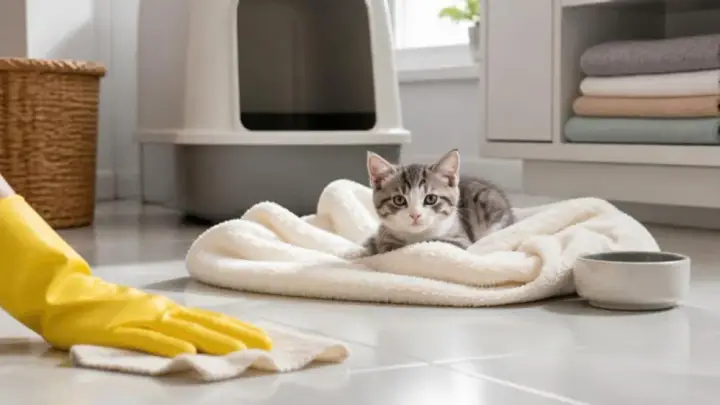
- Καθαρισμός στο σπίτι
- Μετάδοση σε άλλα κατοικίδια και σε ανθρώπους
- Κοκκίδια σε διασωσμένα και πρόσφατα υιοθετημένα κατοικίδια
- Δείτε επίσης
- Από τις διασώσεις μας
Εν συντομία
Τα κοκκίδια είναι μικροσκοπικά παράσιτα στο τοίχωμα του εντέρου και συχνή αιτία διάρροιας σε μικρά κουτάβια και γατάκια. Η εξέταση κοπράνων τα επιβεβαιώνει, ο κτηνίατρος συνταγογραφεί θεραπεία και ο άμεσος καθαρισμός των κοπράνων στο σπίτι βοηθά να μην ξαναμολυνθούν. Επικοινωνήστε με κτηνίατρο την ίδια μέρα για αιματηρή διάρροια, επαναλαμβανόμενους εμέτους, άρνηση τροφής ή αδυναμία.
| Άλλες ονομασίες | Cystoisospora· Isospora |
|---|---|
| Αιτία | Μικροσκοπικά μονοκύτταρα παράσιτα που ζουν στον βλεννογόνο του εντέρου |
| Συνήθης ηλικία | Η ασθένεια παρατηρείται συχνότερα σε ηλικία περίπου δύο έως τεσσάρων μηνών |
| Πώς μεταδίδεται | Με την κατάποση ώριμων αυγών, για παράδειγμα όταν το ζώο γλείφει το έδαφος, παιχνίδια ή πατούσες ή όταν τρώει από βρόμικο μπολ |
| Συνήθη σημάδια | Μαλακά ή υδαρή κόπρανα, μερικές φορές με βλέννα |
| Διάγνωση | Ένα δείγμα κοπράνων εξετάζεται στο μικροσκόπιο για αυγά |
| Θεραπεία | Φάρμακο που επιλέγει ο κτηνίατρος, σε μία δόση ή σε θεραπευτικό σχήμα διάρκειας αρκετών ημερών |
| Πρόγνωση | Τα περισσότερα νεαρά ζώα αναρρώνουν καλά με τη σωστή φροντίδα και καλή υγιεινή· η σοβαρή κοκκιδίωση μπορεί να αποβεί θανατηφόρα στα νεαρά ζώα |
| Πρόληψη | Η γρήγορη απομάκρυνση των κοπράνων και ο σχολαστικός καθαρισμός κάνουν το μεγαλύτερο μέρος της δουλειάς |
| Κίνδυνος για τους ανθρώπους | Τα κοκκίδια των σκύλων και των γατών δεν μολύνουν τους ανθρώπους |
| Επείγον αν | Ένα νεαρό κατοικίδιο έχει αιματηρή διάρροια, κάνει επανειλημμένα εμετό, αρνείται την τροφή, φαίνεται αδύναμο ή ασυνήθιστα ήσυχο ή έχει διάρροια που δεν υποχωρεί |
Τα κοκκίδια είναι μικροσκοπικά μονοκύτταρα παράσιτα που ζουν στον βλεννογόνο του εντέρου. Είναι μία από τις πιο συχνές αιτίες διάρροιας στα μικρά κουτάβια και στα γατάκια. Πολλοί από όσους υιοθετούν ακούν τη λέξη για πρώτη φορά όταν μια εξέταση κοπράνων ρουτίνας βγαίνει θετική. Οι κτηνίατροι βλέπουν συχνά κοκκίδια, και τα περισσότερα νεαρά ζώα αναρρώνουν καλά με τη σωστή φροντίδα και καλή υγιεινή στο σπίτι.
Ο τύπος που έχει τη μεγαλύτερη σημασία για τα κατοικίδια ονομάζεται Cystoisospora. Παλαιότερα βιβλία και ορισμένοι κτηνίατροι εξακολουθούν να τον αποκαλούν Isospora. Κάθε είδος περιορίζεται στον δικό του ξενιστή, οπότε τα κοκκίδια του σκύλου μολύνουν σκύλους και τα κοκκίδια της γάτας μολύνουν γάτες. Αυτό το άρθρο καλύπτει και τα δύο.
Πώς μολύνονται τα κατοικίδια με κοκκίδια
Ένα μολυσμένο ζώο αποβάλλει με τα κόπρανά του μικροσκοπικά αυγά, τις λεγόμενες ωοκύστεις. Τα φρέσκα κόπρανα δεν είναι μολυσματικά στην αρχή. Τα αυγά χρειάζονται χρόνο έξω από τον οργανισμό για να ωριμάσουν, από αρκετές ώρες σε ζεστό καιρό έως αρκετές ημέρες σε πιο δροσερές συνθήκες. Μετά από αυτό, μπορούν να παραμείνουν μολυσματικά για μήνες σε υγρά, προφυλαγμένα σημεία, όπως το χώμα και τα δάπεδα των κυνοτροφείων.
Ένα κουτάβι ή γατάκι μολύνεται όταν καταπιεί ώριμα αυγά. Αυτό μπορεί να συμβεί όταν γλείφει το έδαφος, παιχνίδια, πατούσες ή το τρίχωμα ενός αδερφού από την ίδια γέννα, ή όταν τρώει από βρόμικο μπολ. Οι σκύλοι και οι γάτες μπορούν επίσης να κολλήσουν το παράσιτο τρώγοντας ποντίκια ή άλλα μικρά ζώα που φέρουν μια ανενεργή μορφή του. Το ωμό κρέας από τέτοια ζώα είναι λιγότερο συχνή πηγή.
Οι περισσότερες πρώτες μολύνσεις συμβαίνουν νωρίς στη ζωή, συχνά σε ηλικία μεταξύ τριών και οκτώ εβδομάδων. Η ασθένεια παρατηρείται συχνότερα σε κουτάβια και γατάκια ηλικίας περίπου δύο έως τεσσάρων μηνών. Χρειάζονται περίπου 6 έως 10 ημέρες από την κατάποση του παρασίτου μέχρι να αρχίσουν να εμφανίζονται αυγά στα κόπρανα. Ο συνωστισμός, οι κακές συνθήκες υγιεινής, μια απότομη αλλαγή διατροφής και το στρες του ταξιδιού ή της μετακόμισης σε νέο σπίτι μπορούν όλα να επιδεινώσουν τη μόλυνση. Τα μεγαλύτερα ζώα συνήθως αναπτύσσουν ανοσία και σπάνια αρρωσταίνουν, αν και μπορεί να εξακολουθούν να αποβάλλουν λίγα αυγά.
Σημάδια που πρέπει να προσέχετε
Ορισμένα μολυσμένα κουτάβια και γατάκια δεν δείχνουν κανένα σημάδι. Άλλα εμφανίζουν διάρροια περίπου την περίοδο που τα αυγά αρχίζουν να εμφανίζονται στα κόπρανα. Τα συνηθισμένα σημάδια περιλαμβάνουν:
- Μαλακά ή υδαρή κόπρανα, μερικές φορές με βλέννα
- Αίμα στα κόπρανα στις πιο σοβαρές περιπτώσεις
- Κακή όρεξη
- Απώλεια βάρους ή αύξηση βάρους μικρότερη από την αναμενόμενη
- Κούραση και λιγότερο ενδιαφέρον για παιχνίδι
- Κοιλιακή δυσφορία
- Έμετος στις πιο σοβαρές περιπτώσεις
- Σημάδια αφυδάτωσης, όπως στεγνά ή κολλώδη ούλα και δέρμα που επανέρχεται αργά όταν το σηκώνετε απαλά
Η διάρροια σε ένα νεαρό ζώο έχει πολλές πιθανές αιτίες, όπως σκουλήκια, Giardia, ιούς και μια απότομη αλλαγή τροφής. Τα κοκκίδια μπορεί επίσης να υπάρχουν παράλληλα με άλλα προβλήματα. Γι’ αυτό μια εξέταση κοπράνων σας λέει πολύ περισσότερα από την εμφάνιση των κοπράνων.
Πότε είναι επείγον
Τα πολύ μικρά κουτάβια και γατάκια έχουν μικρά αποθέματα. Μπορούν να χάσουν γρήγορα υγρά, και η σοβαρή κοκκιδίωση μπορεί να αποβεί θανατηφόρα στα νεαρά ζώα. Το καλύτερο είναι να επικοινωνήσετε με κτηνίατρο την ίδια μέρα αν ένα νεαρό κατοικίδιο έχει αιματηρή διάρροια, κάνει επανειλημμένα εμετό, αρνείται την τροφή, φαίνεται αδύναμο ή ασυνήθιστα ήσυχο ή έχει διάρροια που δεν υποχωρεί. Ο έμετος, η διάρροια και η αδυναμία μπορεί επίσης να είναι σημάδια παρβοΐωσης στα κουτάβια ή πανλευκοπενίας στα γατάκια. Και οι δύο είναι σοβαρές ιογενείς ασθένειες που χρειάζονται επείγουσα φροντίδα. Αν τηλεφωνήσετε στο κτηνιατρείο πριν πάτε, το προσωπικό μπορεί να προετοιμαστεί και να προστατεύσει τους άλλους ασθενείς.
Πώς θέτουν τη διάγνωση οι κτηνίατροι
Η διάγνωση ξεκινά με ένα δείγμα κοπράνων. Το εργαστήριο αναζητά τα αυγά στο μικροσκόπιο, συνήθως αφού αναμείξει το δείγμα με ένα ειδικό διάλυμα που τα κάνει να επιπλέουν στην επιφάνεια. Ορισμένα κτηνιατρεία προσφέρουν επίσης τεστ αντιγόνου ή PCR, που ανιχνεύουν συστατικά του παρασίτου στα κόπρανα.
Το πιο φρέσκο δείγμα που μπορείτε να φέρετε δίνει το καλύτερο αποτέλεσμα. Ένα αρνητικό αποτέλεσμα δεν αποκλείει πάντα τα κοκκίδια. Στην αρχή μιας μόλυνσης το παράσιτο μπορεί να μην αποβάλλει ακόμη αυγά, και τα περισσότερα ζώα αποβάλλουν αυγά μόνο για περίπου 5 έως 10 ημέρες. Ο κτηνίατρός σας μπορεί να ζητήσει επανάληψη της εξέτασης αν τα σημάδια συνεχιστούν.
Επίσης, ένα θετικό αποτέλεσμα δεν αποδεικνύει ότι τα κοκκίδια είναι αυτά που προκαλούν τη διάρροια. Τα υγιή ζώα μπορεί να φέρουν λίγα αυγά χωρίς να είναι άρρωστα. Ο κτηνίατρος εξετάζει τη συνολική εικόνα, όπως την ηλικία, το ιστορικό, τα σημάδια και τα αποτελέσματα άλλων εξετάσεων του κατοικιδίου.
Πώς αντιμετωπίζεται
Τα κοκκίδια είναι μονοκύτταρα παράσιτα, οπότε χρειάζονται φάρμακο που στοχεύει ειδικά σε αυτά. Ο κτηνίατρός σας θα επιλέξει το κατάλληλο για το είδος, την ηλικία και την υγεία του κατοικιδίου σας. Ανάλογα με το φάρμακο, η θεραπεία μπορεί να είναι μία μόνο δόση ή ένα σχήμα διάρκειας αρκετών ημερών. Το καλύτερο είναι να ακολουθήσετε τις οδηγίες του κτηνιάτρου και να ολοκληρώσετε όλη τη θεραπεία.
Η έγκαιρη θεραπεία βοηθά, αφού το παράσιτο πολλαπλασιάζεται γρήγορα μέσα στο έντερο και ένα άρρωστο ζώο αποβάλλει πάρα πολλά αυγά. Γι’ αυτό, οι κτηνίατροι συχνά συνιστούν τη θεραπεία όλων των αδερφών της ίδιας γέννας και των νεαρών ζώων που ζουν μαζί, ακόμη και εκείνων χωρίς σημάδια.
Τα κατοικίδια με διάρροια μπορεί επίσης να χρειάζονται υποστηρικτική φροντίδα. Αυτή μπορεί να περιλαμβάνει χορήγηση υγρών για την αφυδάτωση, εύπεπτη διατροφή και διατήρηση των νεαρών ζώων σε ζεστό περιβάλλον. Τα βαριά άρρωστα κουτάβια και γατάκια μπορεί να χρειαστούν νοσηλεία στο κτηνιατρείο. Οι ήπιες μολύνσεις μερικές φορές υποχωρούν χωρίς φάρμακα, και ο κτηνίατρός σας μπορεί να αποφασίσει αν χρειάζεται θεραπεία. Καλό είναι να αποφεύγονται τα σπιτικά γιατροσόφια και τα φάρμακα που περίσσεψαν από άλλο κατοικίδιο. Ρωτήστε τον κτηνίατρό σας πριν δώσετε οτιδήποτε.
Καθαρισμός στο σπίτι
Τα αυγά στο περιβάλλον είναι ο κύριος λόγος για τον οποίο τα κοκκίδια επανέρχονται. Τα αυγά αντέχουν σε πολλά κοινά απολυμαντικά του σπιτιού, οπότε η γρήγορη απομάκρυνση των κοπράνων και ο σχολαστικός καθαρισμός κάνουν το μεγαλύτερο μέρος της δουλειάς. Συνήθως συνιστώνται τα εξής βήματα:
- Μαζεύετε τα κόπρανα χωρίς καθυστέρηση, τουλάχιστον μία φορά την ημέρα, πριν τα αυγά προλάβουν να ωριμάσουν.
- Καθαρίζετε τα αμμοδοχεία με το φτυαράκι τουλάχιστον μία φορά την ημέρα και πλένετέ τα τακτικά.
- Πλένετε συχνά τα στρωσίδια, τις κουβέρτες και τα λούτρινα παιχνίδια σε ζεστό νερό.
- Πλένετε τα μπολ φαγητού και νερού κάθε μέρα.
- Αν μπορείτε, καθαρίζετε με ατμό τα σκληρά δάπεδα και τους περιφραγμένους χώρους των ζώων και αφήνετε έπειτα τις επιφάνειες να στεγνώσουν εντελώς. Το στέγνωμα μειώνει επίσης τον χρόνο επιβίωσης των αυγών.
- Κρατάτε καθαρό το τρίχωμα γύρω από την ουρά, αφού τα κόπρανα που κολλούν στο τρίχωμα μπορεί να μεταφέρουν αυγά.
- Πλένετε τα χέρια σας αφού έρθετε σε επαφή με κόπρανα, άμμο ή ένα κατοικίδιο με διάρροια.
Ο κτηνίατρός σας μπορεί να σας προτείνει ένα προϊόν καθαρισμού που δρα κατά των κοκκιδίων, αφού πολλά προϊόντα καθημερινής χρήσης δεν δρουν. Για τις γάτες, η παραμονή μέσα στο σπίτι και ο έλεγχος των ποντικιών μέσα και γύρω από το σπίτι μειώνουν τον κίνδυνο νέων μολύνσεων.
Μετάδοση σε άλλα κατοικίδια και σε ανθρώπους
Τα κοκκίδια μεταδίδονται εύκολα μεταξύ νεαρών ζώων του ίδιου είδους. Ένα κουτάβι μπορεί να μολύνει άλλα κουτάβια και ένα γατάκι άλλα γατάκια. Τα κοκκίδια του σκύλου δεν μολύνουν τις γάτες και τα κοκκίδια της γάτας δεν μολύνουν τους σκύλους. Τα ενήλικα κατοικίδια του σπιτιού έχουν συνήθως ανοσία και σπάνια αρρωσταίνουν. Ο κτηνίατρός σας μπορεί να σας συμβουλεύσει αν χρειάζονται κι αυτά εξέταση κοπράνων.
Τα κοκκίδια των σκύλων και των γατών δεν μολύνουν τους ανθρώπους. Το πλύσιμο των χεριών εξακολουθεί να έχει σημασία, επειδή τα κόπρανα ενός νεαρού ζώου μπορεί να περιέχουν άλλα παράσιτα που μπορούν να μεταδοθούν στους ανθρώπους. Η επιπλέον προσοχή έχει νόημα αν κάποιος στο σπίτι είναι έγκυος, ηλικιωμένος ή έχει εξασθενημένο ανοσοποιητικό σύστημα.
Κοκκίδια σε διασωσμένα και πρόσφατα υιοθετημένα κατοικίδια
Τα κοκκίδια απαντούν σε σκύλους και γάτες σε όλο τον κόσμο, και σε ολόκληρη την Ευρώπη. Η μόλυνση είναι συχνότερη σε νεαρά ζώα από χώρους με συνωστισμό, όπως καταφύγια, κυνοτροφεία και εκτροφεία. Το στρες του ταξιδιού και της προσαρμογής σε νέο σπίτι μπορεί επίσης να προκαλέσει έξαρση μιας υπάρχουσας μόλυνσης.
Στην Paw Squadron, οι πρώτοι σταθμοί μετά από κάθε διάσωση είναι ο κτηνίατρος και ένα μπάνιο. Κάθε ζώο υποβάλλεται σε κτηνιατρικό έλεγχο, αποπαρασίτωση και θεραπεία κατά των ψύλλων και άλλων παρασίτων. Πριν από την υιοθεσία, κάθε ζώο υποβάλλεται επίσης σε θεραπεία, εμβολιασμούς και τοποθέτηση μικροτσίπ. Ακόμη κι έτσι, ένα νεαρό ζώο μπορεί να κολλήσει κοκκίδια γύρω από την περίοδο της διάσωσης και να το δείξει μόνο αργότερα, όταν γίνει νέα εξέταση κοπράνων ή όταν η μετακόμιση προκαλέσει μαλακά κόπρανα.
Αν το νέο σας κουτάβι ή γατάκι έχει διάρροια τις πρώτες μέρες στο σπίτι, βοηθά να κρατήσετε την ίδια τροφή με πριν, να μαζεύετε τα κόπρανα χωρίς καθυστέρηση και να κλείσετε ραντεβού στον κτηνίατρο με ένα φρέσκο δείγμα. Είναι χρήσιμο να έχετε μαζί σας τα αρχεία υγείας που παραλάβατε με το κατοικίδιό σας. Αν έχετε ερωτήσεις πριν ή μετά την υιοθεσία, δείτε τις Συχνές ερωτήσεις ή στείλτε ένα αίτημα υιοθεσίας.
Δείτε επίσης
Από τις διασώσεις μας

Αυτό το άρθρο παρέχει γενικές πληροφορίες και δεν αποτελεί κτηνιατρική συμβουλή. Να συμβουλεύεστε πάντα κτηνίατρο για την υγεία του ζώου σας. Ορισμένες εικόνες στην PawPedia μπορεί να έχουν δημιουργηθεί με τεχνητή νοημοσύνη.
Η σελίδα ενημερώθηκε τελευταία φορά στις 27 Σεπτεμβρίου 2026.