Cat Not Eating: Causes, Dangers, and When to See a Vet
From PawPedia, an encyclopedia of life with animals
Fact-checked against veterinary sources
Contents
In short
A cat that stops eating should never be ignored, because going without food can cause a serious liver condition within days. Common causes include dental disease, kidney disease, nausea, infections and stress. Phone your vet if your cat has eaten nothing for about a day, and see a vet straight away after two days of refusing food.
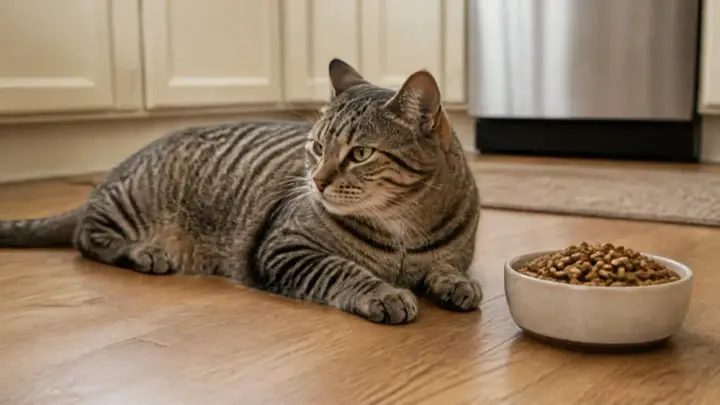
| Cause | Many causes, from dental pain, kidney disease and nausea to infections, diabetes, cancer, poisoning and stress |
|---|---|
| Most at risk | Kittens and cats that are overweight, elderly or already ill; overweight cats are at the highest risk of fatty liver |
| Common signs | Refusing food or eating much less; with mouth pain, also drooling, bad breath, chewing on one side and dropping food |
| Main danger | Fatty liver disease (hepatic lipidosis) can follow three to four days of eating little or nothing |
| When to call | About a day without food: phone your vet; more than two days: see a vet straight away |
| Diagnosis | A close exam including the mouth, weight and hydration; blood and urine tests, then X-rays or an ultrasound scan |
| Treatment | Targets the cause; fluids, medicine for nausea, a short course of an appetite stimulant, and a feeding tube if the cat still eats too little |
| Outlook | Good when caught early and the cause can be treated; cats that recover from fatty liver rarely have it again |
| Prevention | Weigh your cat regularly, change food gradually and keep a healthy weight; lose weight slowly with your vet |
| Emergency if | Yellow gums or skin, repeated vomiting, drooling, hiding or weakness, fast or labored breathing, not drinking, straining with little or no urine, possible poison |
A cat that stops eating should never be ignored. Cats are good at hiding illness, and a poor appetite is often the first sign that something is wrong. Going without food is also more dangerous for cats than for dogs or people, because it can lead to a serious liver condition within days. This guide explains why that happens, the common causes, how to tempt your cat safely, and when to call the vet.
Why a cat should not go without food
When a cat stops eating, its body breaks down stored fat for energy. The fat is sent to the liver faster than the liver can process it, and it builds up inside the liver cells. This is called hepatic lipidosis, or fatty liver disease. The liver can then no longer work properly, and without fast, intensive treatment the condition can be fatal.
Cats with fatty liver have usually eaten little or nothing for three to four days in a row, though it can also follow weeks of a poor appetite. Overweight cats are at the highest risk, but a cat of any age or size can be affected. In more than 90 percent of cases, another problem caused the loss of appetite in the first place. Examples include diabetes, pancreatitis, bowel disease, kidney disease, hyperthyroidism and cancer. Stress, such as a house move, a stay in a cattery or a new pet, can also start it.
Once fatty liver sets in, a cat usually will not start eating again on its own. Signs include weight loss, vomiting, drooling, tiredness and jaundice, a yellow tint to the gums, skin or whites of the eyes. Treatment usually means feeding through a tube for several weeks. When the problem is caught early and the underlying cause can be treated, the outlook is good, and cats that recover rarely have it again. This is why a cat that has stopped eating should see a vet early, before the liver is affected.
Common causes
Vets often divide appetite loss into two kinds. Some cats lose interest in food. Others want to eat but cannot, often because of pain in the mouth. Common causes include the following.
- Dental disease, such as inflamed gums, tooth resorption, loose teeth or mouth ulcers
- Chronic kidney disease, especially in older cats
- Nausea from stomach and bowel problems, pancreatitis or liver disease
- Infections, including cat flu, which can leave a cat unable to smell its food
- Diabetes, cancer and other illnesses that affect the whole body
- Pain elsewhere, such as a sore back that makes bending to the bowl hard
- Poisoning, a blockage in the gut, or side effects of some medicines
- Stress, changes at home, or a new food your cat does not like
Dental problems are very common. According to the Cornell Feline Health Center, between 50 and 90 percent of cats older than four have some form of dental disease. Signs include drooling, bad breath, tilting the head or chewing on one side, dropping food and a sudden preference for soft food. Severe inflammation of the gums and mouth is covered in Stomatitis in Cats.
Chronic kidney disease is especially common in cats over ten. Many cats show no signs early on. Later, a poor appetite often comes with weight loss, more drinking and larger clumps in the litter tray. See Chronic Kidney Disease in Cats for the signs and care. If your cat is also being sick, our guide to Vomiting in Cats explains the common causes. Cats with a blocked nose from cat flu often stop eating because they cannot smell their food.
Cats are sensitive to change. A new home, new people or pets, building work or a sudden switch of food can all put a cat off eating. Many cats also refuse a food they link with feeling sick, which is called food aversion. It can develop when a cat is offered food while it feels nauseous, or after a stay in hospital. Stress is a real cause, but a vet should rule out illness first, since many of the conditions above look the same at home.
When to see a vet
Any change in your cat's appetite is worth a call to your vet. As a guide, use the following timings.
- Your cat has eaten nothing for about a day: phone your vet for advice
- Your cat has refused food for more than two days: see a vet straight away
- Your cat has eaten less than usual for three days or more: contact your vet urgently, even if it still eats a little
Do not wait that long with a kitten, or with a cat that is overweight, elderly or already ill. Contact your vet the same day, or an emergency clinic out of hours, if your cat is not eating and you notice any of these signs.
- Yellow gums, skin or whites of the eyes
- Repeated vomiting, or vomiting with diarrhea
- Drooling, pawing at the mouth or trouble chewing
- Hiding, weakness, collapse or unusual tiredness
- Fast, labored or open-mouth breathing
- Not drinking, or signs of dehydration
- Straining in the litter tray with little or no urine, especially in a male cat
- Any chance your cat has eaten a poison, a plant or a medicine
Straining with little or no urine can mean a blocked bladder. It is a true emergency, and a cat with a complete blockage can die within a day or two without treatment.
How to tempt your cat to eat
These tips are for a cat that is eating less while you arrange a vet visit, or one your vet has already checked.
- Offer your cat's usual food first, as long as it suits any condition your vet has found
- Give small portions often, since a cat with a poor appetite feels full quickly
- Offer one food at a time, because a row of choices can overwhelm a cat
- Use a wide, shallow bowl, ideally ceramic, in a quiet spot away from the litter tray, the water bowl and other cats
- Warm wet food slightly, to about body temperature, to release its smell, and stir well if you use a microwave
- If your cat seems nauseous, try food at room temperature or slightly chilled, since strong smells can make nausea worse
- With your vet's approval, a little plain cooked chicken or fish can help restart eating for a short time, though it is not a complete diet
- Some cats eat better when hand-fed or stroked, while others prefer to be left alone, sometimes overnight when the house is quiet
A few things are best avoided. Never force food into your cat's mouth or squirt it in with a syringe. It is stressful, it can make food aversion worse, and food breathed into the lungs can cause pneumonia. Avoid human baby food and gravies, which may contain onion, and onion is toxic to cats. Do not switch to a new or prescription diet while your cat is unwell. Make the change once your cat is eating well again, and do it gradually. If gentle tempting is not working, call your vet again, because further treatment is likely to be needed.
What to tell the vet
Your notes help the vet find the cause faster. Before the visit, write down the following.
- When your cat last ate normally, and roughly how much it has eaten since
- Whether it is drinking, and whether that has changed
- Any vomiting, diarrhea, constipation or changes in the litter tray
- Whether it goes to the bowl and walks away, chews oddly or drools
- Any changes at home, such as a new food, a move, visitors or a new pet
- Any medicines or supplements, and any chance of contact with plants, chemicals or other poisons
- Your cat's recent weight, if you know it
For ways to make the journey easier, see How to Take Your Cat to the Vet With Less Stress.
How vets diagnose and treat it
Your vet will examine your cat closely, including the mouth, and will check weight and hydration. Blood and urine tests are common, and X-rays or an ultrasound scan may follow. These tests look for the underlying cause and for signs that the liver is already affected.
Treatment targets the cause, such as dental work for a painful mouth or care for kidney disease. Your vet may also give fluids for dehydration, medicine to settle nausea and, for a short time, an appetite stimulant. If a cat still is not eating enough, a feeding tube is often the safest choice. It is generally simple to place and can be lifesaving. It lets you give food, water and medicines at home without a struggle. The tube comes out once your cat has eaten well on its own for several days.
Keeping your cat's appetite steady
Weigh your cat regularly, so small losses are noticed early. Change food gradually over several days, mixing the new food into the old or offering it in a separate bowl. Keep your cat at a healthy weight, since overweight cats are at greater risk of fatty liver. Weight loss should be slow and planned with your vet, because a sudden cut in food can trigger the same problem. For portions and food types, see How to Feed Your Cat.
After adoption
Rescue cats often face many changes in a short time: a rescue, a vet visit, a car journey and a new home. At Paw Squadron, every animal we rescue goes to the vet first, for a checkup, deworming and treatment against fleas and other parasites. Before adoption, every animal also gets vaccinations and a microchip. Even so, some new cats eat little for the first day or so while they settle. A quiet room, the food they ate before and patience all help. If your new cat eats nothing for a day, or shows any warning sign, call your vet.
For more guides on cat health and care, browse PawPedia. If you adopted from us and have questions, write to us from the Contact page.
See also
From our rescues

Sources
- Hepatic Lipidosis · Cornell Feline Health Center
- Hepatic Lipidosis in Cats (Fatty Liver Syndrome in Cats) · VCA Animal Hospitals
- Anorexia in Cats · VCA Animal Hospitals
- Inappetence in Cats · International Cat Care
- How to Encourage Your Cat to Eat · International Cat Care
- Disorders of the Liver and Gallbladder in Cats · Merck Veterinary Manual (Pet Owner Version)
- Hepatic Lipidosis: A Serious Problem When Cats Stop Eating · University of Illinois College of Veterinary Medicine
- Feline Dental Disease · Cornell Feline Health Center
- Chronic Kidney Disease · Cornell Feline Health Center
- Feline Lower Urinary Tract Disease · Cornell Feline Health Center
This article is general information, not veterinary advice. Always consult a veterinarian about your animal’s health. Some pictures in PawPedia may be AI-generated.
This page was last updated on October 29, 2026.