How to House Train a Puppy or Rescue Dog: Routine, Rewards, and Setbacks
From PawPedia, an encyclopedia of life with animals
Contents
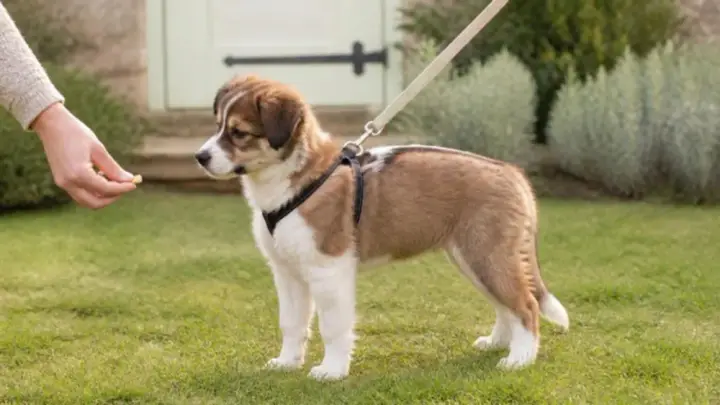
| Method | Keep a steady routine, watch the dog closely, reward the right spot, stay calm about mistakes |
|---|---|
| Takes | Often four to six months for a puppy, and some take longer |
| Holding time | Roughly one hour for each month of a puppy's age |
| Trips outside | Every one to two hours while a young puppy is awake, and about every 30 minutes when it is running and playing |
| Signs it needs to go | Sniffing the floor, circling, suddenly stopping play, whining, pacing, going to the door |
| Reward | Praise and a small treat outside, the moment the dog finishes |
| Crate time | Puppies under six months: usually no more than three to four hours at a time during the day |
| Avoid | Rubbing the dog's nose in the mess or hitting it, which can make it fearful |
| Cleaning | An enzyme-based cleaner made for pet urine |
| Rescue dogs | Treat the first weeks as if you had brought home a puppy, even with an adult dog |
| See a vet if | Straining with little or no urine, or a puppy with diarrhea and vomiting (go right away); blood in urine or stool; sudden new accidents |
House training teaches a dog where to relieve itself and to hold it until it gets there. Most puppies learn within a few months. Adult dogs adopted from rescue may need the same lessons from the start, especially if they lived outdoors or in a kennel. The method is the same for both. Keep a steady routine, watch the dog closely, reward the right spot, and stay calm about mistakes.
Why some dogs take longer
Young puppies have small bladders and little control. As a rough guide, a puppy can hold its urine for about one hour for each month of age. A three-month-old puppy may manage about three hours in the daytime, and less when it is busy playing. Many puppies still need a trip outside during the night until they are around five months old. House training a puppy often takes four to six months, and some take longer.
Size, age, and past habits all play a part. Veterinary references note that dogs kept in cages for long periods, such as in pet stores, and dogs that lived only outdoors can be harder to house train. They never had to wait, so they went whenever and wherever they needed to.
Build a daily routine
Dogs learn fastest when the day follows a pattern. Feed meals at the same times each day, since puppies often need to go soon after eating. Take the dog on a leash to the same spot outside each time, so it learns where its bathroom is. Play and walks can come after it has finished. Until a puppy has finished its vaccinations, ask your veterinarian which outdoor areas are safe to use.
Take a puppy or new dog out at these times.
- First thing in the morning and last thing at night
- Soon after every meal or long drink of water
- Right after waking from a nap
- About every 30 minutes when a young puppy is running and playing
- Every one to two hours while a young puppy is awake
- Whenever you see signs that it needs to go
Some owners use a short cue such as "go potty," said calmly while the dog is going. Over time the dog links the words to the act, which can be handy before a car trip or at bedtime.
Watch closely while they learn
Most accidents happen when nobody is watching. While a dog is learning, keep it in one of three places. The first is with you, where you can see it. The second is a small safe area such as a pen. The third is a crate, for short rests. Some owners keep a new dog on a light leash indoors so it stays close.
Learn the signs that a dog needs to go. These include sniffing the floor, circling, suddenly stopping play, whining, restless pacing, and going to the door. When you see them, take the dog out right away. Small puppies can be carried, since they often cannot wait for the walk to the door.
A crate can help because most dogs avoid soiling the place where they sleep. It should be just big enough for the dog to stand up and turn around in comfort. Introduce it slowly, with meals and treats inside, and never use it as punishment. Puppies under six months usually should not stay in a crate for more than three to four hours at a time during the day.
If you need to be away longer, a pen with a pad or tray in one corner gives the dog a place to go. Pads suit some owners and small dogs. They can make the later switch to going only outdoors harder, because the dog learns that two places are allowed.
Reward the right spot
Praise and a small treat teach faster than corrections. Give the reward outside, the moment the dog finishes, while you are still near the spot. A treat handed out back in the kitchen comes too late for the dog to connect it with going outside. Wait until the dog has fully finished, since a young puppy distracted by praise may stop halfway.
Keep the rewards going for several weeks, even when the dog seems to understand. When a puppy has gone about two to three months with no mistakes, it is usually ready for more freedom in the home, one room at a time.
Handle accidents calmly
Accidents will happen, and short setbacks after a move or an upset stomach are normal. If you catch the dog in the act, make a mild sound such as a single clap to interrupt it without scaring it. Then take it outside to finish and praise it if it does. If you find a mess later, simply clean it up. Scolding after the fact does not work, because the dog cannot link it to something that happened even a few minutes earlier. Rubbing its nose in the mess or hitting it can make the dog fearful. It may also learn to avoid going in front of people, which makes it much harder to reward it outside.
Clean soiled spots with an enzyme-based cleaner made for pet urine. Ordinary cleaners can leave a trace of scent that people miss and dogs notice, and that smell draws them back to the same place. Some owners also keep a simple log of meals, naps, play, and bathroom trips to spot patterns and plan the day.
A few accidents have other causes. Some dogs mark by lifting a leg on furniture or doorframes. This is most common in intact males, though females and neutered dogs can mark too. Neutering an intact male and watching him closely reduce marking in many dogs. Other dogs leak a little urine when greeted, when excited, or when they feel unsure. Keep greetings calm and low-key, avoid reaching over the dog or staring at it, and ask visitors to do the same. Talk to your veterinarian if it continues.
Pick up feces promptly, including in your own yard, and wash your hands afterward. Dog feces can carry roundworms and hookworms, which can spread to people and to other pets.
When accidents point to a health problem
Sometimes accidents have a medical cause. Veterinarians look for conditions that make a dog pass more urine, go more often, feel pain when going, or lose control. Examples include urinary tract infections, kidney disease, diabetes, intestinal parasites, and, in older dogs, age-related decline in memory and thinking. Diarrhea after a diet change or from parasites can also set a puppy's progress back for a while.
Contact your veterinarian if you notice any of these.
- A dog that was reliably clean suddenly starts having accidents
- Drinking and urinating much more than usual
- Blood in the urine or stool
- Straining, crying, or going very often in small amounts
- Diarrhea that lasts more than a day
- Urine dribbling while the dog rests or sleeps
Some signs need care the same day. A dog that strains but passes little or no urine should see a veterinarian right away, since a blocked bladder is an emergency. So should a puppy with diarrhea and vomiting, or one that seems weak or will not eat. Young puppies that have not finished their vaccinations are at risk of serious infections such as parvovirus.
The vet usually starts with questions about the dog's routine and history, then a physical exam. A urine test is common, and a stool test, blood tests, or imaging may follow depending on the findings. Treatment depends on the cause. When no illness is found, the plan usually goes back to training, sometimes with help from a veterinary behavior professional.
House training a rescue dog
Many rescued dogs have never lived in a house. A dog that spent its life on the street, in a yard, or in a shelter kennel has had no reason to learn that floors are off limits. Treat the first weeks as if you had brought home a puppy, even if the dog is an adult. Use the same routine, the same close watching, and the same rewards. Adults can usually hold their urine much longer than puppies, so they tend to need fewer trips outside.
Stress plays a part too. A long trip, a new home, and new people can all cause accidents in the first days. A nervous dog may be too wary of traffic, rain, or fireworks to go during a walk, and then goes as soon as it is back inside. Choose a quiet spot, give it time, and try again a little later if it does not go. For a week-by-week look at how a new dog settles in, see life with a small rescue dog in the first 30 days.
At Paw Squadron, the first stops after every rescue are the vet and a bath. Each dog gets a checkup, deworming, and treatment against fleas and other parasites, and every animal is checked, treated, vaccinated, and microchipped before adoption. It is still a good idea to see your own veterinarian in the first weeks, especially if accidents go on longer than you expect.
If you have questions about a dog you are thinking of adopting, see our FAQ or send an adoption inquiry.
See also
From our rescues
This article is general information, not veterinary advice. Always consult a veterinarian about your animal’s health. Some pictures in PawPedia may be AI-generated.
This page was last updated on October 3, 2026.