How to Adopt a Rescue Dog
From PawPedia, an encyclopedia of life with animals
Contents

| Best start | Picture an ordinary week with a dog in it before you browse |
|---|---|
| Ask yourself | How many hours the dog would be on its own on a normal day |
| Good rescue | Tells you what it knows about each dog and is open about what it does not know |
| Warning signs | Pressure to decide on the spot, no health records, or no chance to meet the dog first |
| Choosing | Energy level usually matters more than looks or breed |
| Puppy or adult | A puppy is a lot of work; an adult has reached its full size and its temperament is much easier to judge |
| Steps | At Paw Squadron: inquiry, a talk, meeting the dog, a home check, adoption day; most rescues follow a similar path |
| Travel abroad | Generally needs at least a microchip, a valid rabies vaccination and the right paperwork |
| Get ready | A bed or crate in a calm spot, bowls, a fitted collar or harness with an ID tag, a leash and familiar food |
| First weeks | Take a few days off if you can and keep visitors away for now |
| Microchip | Once the adoption is complete, check the record shows your name, phone number and address |
Adopting a rescue dog starts well before you meet one. The adoptions that go smoothly usually have two things in common: the adopters were honest about their daily life, and they chose the dog that fits it rather than the dog in the most appealing photo. This guide walks through the process in order, from the first question to the first months at home.
Start with your life, not the photos
Before you browse, picture an ordinary week with a dog in it. Think about who gets up for the early walk, where the dog spends a workday, and what happens when you travel. Then answer a few questions honestly, ideally with everyone who lives with you.
- Does every adult in the home want a dog, and who will do most of the daily care?
- On a normal day, how many hours would the dog be on its own?
- Who will walk the dog every day, in rain, snow and summer heat?
- Is there money for good food, routine vet care and a surprise vet bill?
- If you rent, does your lease allow a dog, and of what size?
- Are there other pets or young children at home?
- Can you give a nervous dog several weeks to trust you before it relaxes?
None of these has one right answer. A full-time job does not automatically rule you out, since some dogs handle a working day on their own and others struggle with it. What matters is that your answers shape the choice, so the dog you bring home is one that can live comfortably with your routine. For a picture of daily life with a dog, see what changes when you adopt a dog.
What to look for in a rescue
A good rescue tells you what it knows about each dog and is open about what it does not know. It should be able to describe the dog's health, how it behaves with people and other animals, and what kind of home would suit it. It will also ask you plenty of questions. That is a good sign, because a rescue that asks nothing is not trying to make a match.
At Paw Squadron, each dog is examined by a vet, treated for whatever it needs, vaccinated and microchipped, and it is neutered once it is strong enough for surgery. Every dog has a pet passport by adoption day, and the adoption fee covers part of that vet work. Whichever rescue you choose, ask to see the records for the dog you are interested in, so you know what has been done and what is still due.
Be wary of anyone who pushes you to decide on the spot, cannot show any health records, will not let you meet the dog first, or offers to hand a dog over without asking a single question about your home. Those habits point to someone trying to move animals quickly, and that rarely ends well for the dog.
Choosing the right dog
Energy level usually matters more than looks or breed. A young, high-energy dog with a busy owner in a small apartment is a hard match for both of them, while a calm adult can fit into a steady routine within weeks. If you are unsure, describe your days to the rescue and ask which dogs might suit you. The people caring for the dogs see them every day and usually have a good idea.
Think carefully about age. Many adopters want a puppy, and in our region puppies face the greatest risk, so the wish is easy to understand. A puppy is also a lot of work: house training, several small meals a day, close supervision and months of patient teaching. An adult dog has reached its full size and its temperament is much easier to judge, which takes a lot of the guesswork out of the match.
If more than one dog could fit your life, meet more than one. It is easy to fall for the first face you see, and comparing two or three dogs helps you notice what actually matters to you.
When you meet a dog, ask the people who care for it some specific questions. If they do not know an answer yet, a good rescue will say so.
- How does the dog react to strangers, children, other dogs and cats?
- How does it walk on a leash, and how does it cope with traffic and sudden noise?
- Has it been left alone yet, and how did that go?
- Is it house-trained, or still learning?
- Which vet care is done, and what is still due?
- What does it eat now, and how often?
The adoption steps at Paw Squadron
Every rescue works a little differently, but most follow a similar path. Ours has five steps.
- Inquiry: send an inquiry from our Adoptions page, or write to us about a dog you saw in one of our videos.
- A talk: we talk it through with you, including your home, your routine and how long the dog would be alone.
- Meeting the dog: you meet the dog before anything is decided.
- Home check: we check that your home suits the dog.
- Adoption day: the dog goes home with you. We keep in touch afterward and help if questions come up.
When the Adoptions page shows no dogs, the ones with us are either still recovering or already adopted. Families elsewhere in Europe can adopt too, so mention where you live when you write, and we will tell you what the process looks like from there. Moving a dog from one country to another generally requires at least a microchip, a valid rabies vaccination and the right paperwork, and the exact rules depend on the countries involved. Because the rabies vaccination cannot be given in the first weeks of life, a puppy usually has to be a few months old before it can travel abroad.
Getting the home ready
Do the preparation before adoption day, not after. You will need a bed or crate in a calm spot where the dog will not be stepped over, bowls for food and water, a well-fitted collar or harness with an ID tag, a leash, and a supply of the food the dog already eats. Keeping its diet the same for the first weeks spares its stomach one more change.
Check every fence and gate for gaps, since a newly adopted dog in an unfamiliar place is more likely to bolt than a dog that knows its home. Choose a vet near you and get in touch before the dog arrives, so you are not searching for one in an emergency. Our guide to preparing your home covers the rest.
The first weeks at home
Plan the first two weeks on purpose. Take a few days off if you can, keep visitors away for now, and hold off on showing the new dog to everyone you know. The dog needs time to decompress, and rushing that stage can cost months of trust later on. Our week-by-week guide to the first 30 days walks through this stage in detail.
Keep walks short and quiet at first, and use the same few routes. Start house training from the first hour, even with an adult dog, because a new home often brings accidents. Use a harness and leash on every outing until you know how the dog reacts to traffic, other dogs and sudden noises.
As soon as the adoption is complete, check that the microchip record shows your name, phone number and address. A chip can only bring a lost dog home if the details behind it are current. After that, book a routine visit with your own vet so they have a record of the dog while it is healthy.
Most new adopters have a wobbly moment somewhere in the first month, often when the dog starts showing more personality than it did at first. That is normal. Our bonding guide explains what to expect and how to build trust week by week.
What to do next
If your answers to the questions above still point to yes, send us an adoption inquiry. New animals appear on our Adoptions page as soon as they are ready. If you are not ready yet but have questions, send them anyway, for example about how long a particular dog could be left alone or how adoption works from your country. The talk is there so that both sides can ask everything before a decision is made.
See also
From our rescues
 13:05Abandoned Puppy was Scared to Death and Struggling to Survive until This HappenedChilly Eilish · January 29, 2022
 10:01Small Puppy was Crying In Pain For Help until This Man Finally Heard HimBin Diesel · January 22, 2022
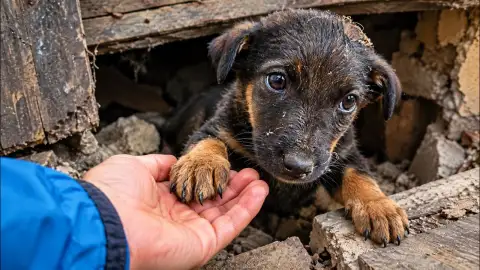 50:39He was Alone and Scared, but then Everything ChangedDig Jagger · October 17, 2026
This article is general information, not veterinary advice. Always consult a veterinarian about your animal’s health. Some pictures in PawPedia may be AI-generated.
This page was last updated on September 30, 2026.