Kedilerde Panlökopeni (Kedi Distemperi): Belirtiler, Tedavi ve Korunma
Hayvanlarla yaşam ansiklopedisi PawPedia’dan
İçindekiler
Kısaca
Kedi gençlik hastalığı olarak da bilinen kedi panlökopenisi, bağırsaklara ve beyaz kan hücrelerine saldıran, günler içinde hayatı tehdit edebilen ağır ve çok bulaşıcı bir viral hastalıktır. En iyi korunma aşılamadır. Kusması, ishali ve halsizliği olan bir yavru kediyi ya da aşısız bir kediyi aynı gün veterinere gösterin.
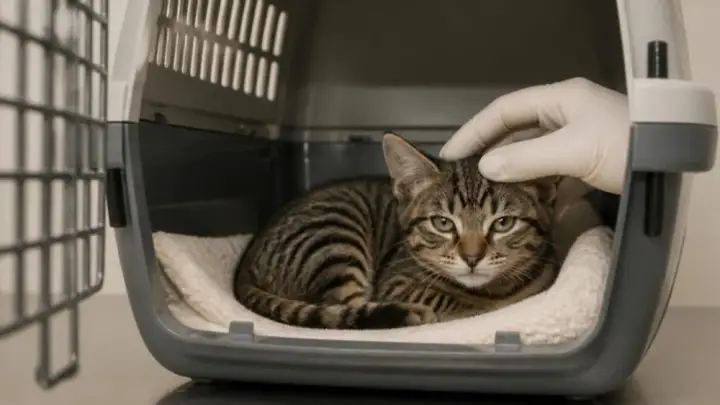
| Diğer adı | Kedi distemperi; kedi parvovirüs enfeksiyonu |
|---|---|
| Neden | Hızla bölünen hücrelere saldıran kedi parvovirüsü |
| En çok risk altında olanlar | Yavru kediler ve aşısız kediler |
| Nasıl bulaşır | Enfekte bir kediyle doğrudan temas ya da kontamine kum kapları, mama kapları, yataklar, kafesler ve taşıma çantaları |
| Belirtilerin başlaması | Genellikle temastan 2 ila 7 gün sonra, ancak 14 güne kadar uzayabilir |
| Sık görülen belirtiler | Halsizlik ya da saklanma, iştah kaybı, ateş, kusma, bazen kanlı olan ishal ve dehidrasyon |
| Tedavi | Özgül bir tedavisi yoktur; hasta kedilerin çoğu hastanede, izolasyon bölümünde destekleyici bakıma ihtiyaç duyar |
| Prognoz | Hasta kedilerin birçoğu iyi bir hastane bakımına rağmen hayatta kalamaz; erken tedavi en iyi şansı sağlar |
| Korunma | Aşılama; ev içinde yaşayan kediler de dâhil olmak üzere her kedi için önerilen bir temel aşı |
| İnsanlar için risk | İnsanlara bulaşmaz |
| Şu durumlarda acil | Kedi yığılıp kalırsa, kusması durmazsa, kanlı ishali varsa, vücudu soğuk geliyorsa ya da çok güçsüzse veya küçük bir yavru kedi günün büyük bölümünde hiç yemek yemediyse |
Kedilerde panlökopeni, kedilerin ağır seyirli ve çok bulaşıcı viral bir hastalığıdır. Kedi distemperi ya da kedi parvovirüs enfeksiyonu olarak da adlandırılır. Adına rağmen, farklı bir virüsün neden olduğu köpeklerdeki gençlik hastalığı (distemper) ile bir ilgisi yoktur. En yüksek risk altında olanlar yavru kediler ve aşısız kedilerdir; hastalık birkaç gün içinde hayatı tehdit eden bir hâl alabilir.
Aşılar güçlü ve uzun süreli koruma sağlar ve dünya genelindeki veteriner kılavuzları bu aşıyı her kedi için önerir.
Dikkat edilmesi gereken belirtiler
Belirtiler çoğu zaman aniden başlar. Çok küçük yavru kediler o kadar hızlı hastalanabilir ki kimse bir sorun fark etmeden ölebilirler. Yetişkin kedilerde hastalık daha hafif seyredebilir ya da hiçbir görünür belirti olmayabilir. Sık görülen belirtiler şunlardır.
- Halsizlik, güçsüzlük ya da saklanma
- İştah kaybı
- Erken evrede ateş
- Kusma; çoğu zaman ateşten bir iki gün sonra başlar
- İshal, bazen kanlı; ancak her hasta kedide görülmez
- Salya akması; bulantıyla birlikte görülebilir
- Karın ağrısı belirtileri; örneğin kambur bir duruş ya da dokunulmaktan veya kucağa alınmaktan hoşlanmama
- Dehidrasyon (sıvı kaybı); kuru, yapışkan diş etleri ya da çökmüş gözler
- Mat ve kaba tüyler
Başka hastalıklar da benzer belirtilere yol açabilir ve bunları yalnızca bir veteriner birbirinden ayırt edebilir. Yavru bir kedide ya da aşısız bir kedide kusma veya ishal ile birlikte halsizlik varsa, kediyi aynı gün bir veterinere göstermeniz en iyisidir.
Ne zaman acil durumdur
Bu hastalıkta saatler önemlidir. Aşağıdaki durumlarda hemen veterinere başvurun.
- Kedi yığılıp kalmış ya da ayakta duramıyor
- Kedi sürekli kusuyor ya da içtiği suyu midesinde tutamıyor
- İshalde kan var
- Kediye dokunduğunuzda soğuk geliyor ya da kedi çok güçsüz
- Küçük bir yavru kedi günün büyük bölümünde hiçbir şey yememiş
Yola çıkmadan önce kliniği arayın ve panlökopeniden şüphelendiğinizi söyleyin. Böylece personel kedinizi diğer hastalardan uzak tutabilir. Hasta kediyi diğer kedilerinizden ayrı tutun ve elinizde bulunan aşı kartını ya da aşı kayıtlarını yanınıza alın.
Nedenleri
Hastalığa kedi parvovirüsü neden olur. Bu virüs hızla bölünen hücrelere saldırır. Kedilerde bunlar başlıca kemik iliğinde ve lenf dokusunda beyaz kan hücrelerini (lökositleri) üreten hücreler ile bağırsağın iç yüzeyini kaplayan hücrelerdir. Panlökopeni sözcüğü, tüm beyaz kan hücresi türlerinin eksikliği anlamına gelir.
Yeterli beyaz kan hücresi olmadığında vücut enfeksiyonla iyi savaşamaz. Aynı zamanda hasar görmüş bağırsak iç yüzeyi, bakterilerin bağırsaktan kana geçmesine izin verir. Bu durum hayati tehlike oluşturan bir kan enfeksiyonuna yol açabilir.
Nasıl bulaşır
Hasta kediler dışkılarıyla, kusmuklarıyla, idrarlarıyla, salyalarıyla ve burun akıntılarıyla çok miktarda virüs saçar. Sağlıklı bir kedi, enfekte bir kediyle doğrudan temas yoluyla virüsü kapabilir. Kum kapları, mama kapları, yataklar, kafesler ve taşıma çantaları gibi virüs bulaşmış eşyalar da büyük rol oynar.
Virüs son derece dayanıklıdır. Kapalı alanlarda aylarca, bazen bir yıla kadar canlı kalabilir. Dışarıda dondurucu soğuklara da dayanır. İnsanlar virüsü ellerinde, giysilerinde ve ayakkabılarında taşıyabilir. Bu yüzden hiçbir zaman başka bir kediyle karşılaşmayan, evde yaşayan bir kedi bile virüse maruz kalabilir.
İlk belirtiler genellikle virüse maruz kaldıktan 2 ila 7 gün sonra ortaya çıkar, ancak bu süre 14 güne kadar uzayabilir. İyileşen kediler virüsü altı haftaya kadar dışkılarıyla saçmaya devam edebilir, ancak çoğunda bu daha erken sona erer.
Virüs gebe bir kediden henüz doğmamış yavrularına da geçebilir ve yavruların kaybına yol açabilir. Doğumdan kısa süre önce ya da sonra enfekte olan yavrularda serebellar hipoplazi gelişebilir; bu durumda beynin hareketleri koordine eden bölümü tam olarak gelişmez. Bu yavrular sendeleyerek ve ayaklarını yüksekten kaldırarak yürür ve titremeleri olabilir. Durum kötüleşmez ve ağrılı değildir; bu kedilerin birçoğu normal bir ömür sürer.
Veteriner hekimler nasıl teşhis ve tedavi eder
Veteriner aşıları soracak ve kediyi muayene edecektir. Dışkı örneği üzerinde yapılan hızlı bir test, virüsü klinikte tespit edebilir. Test bazı vakaları atlayabilir ve yakın zamanda yapılmış bir aşı kısa bir süre için pozitif sonuca yol açabilir; bu yüzden veteriner sonucu diğer bulgularla birlikte değerlendirir. Kan sayımında beyaz kan hücreleri çoğu zaman çok düşük çıkar. Belirsiz durumlarda laboratuvarda yapılan bir PCR testi yardımcı olabilir.
Virüse özgü bir tedavi yoktur. Tedavi, bağışıklık sistemi enfeksiyonu yenene kadar vücudu destekler. Hasta kedilerin çoğunun bir izolasyon bölümünde yatarak tedavi görmesi gerekir. Damar yoluyla verilen sıvılar dehidrasyonu tedavi eder ve kandaki tuz dengesini düzeltir. Tedavinin diğer yaygın parçaları bulantıya karşı ilaçlar, hasar görmüş bağırsaktan gelen bakterileri kontrol altına almak için antibiyotikler, kediyi sıcak tutmak ve mümkün olan en kısa sürede, gerekirse bir sonda aracılığıyla beslemedir. Bazı kedilerde kan ya da plazma nakli de gerekir.
İyi bir hastane bakımına rağmen hasta kedilerin birçoğu hayatta kalamaz ve en büyük risk altında olanlar yavru kedilerdir. Erken tedavi en iyi şansı sağlar. Bu hastalıkta evde bakım tek başına yeterli değildir ve bazı insan ilaçları kediler için tehlikelidir; bu yüzden herhangi bir şey vermeden önce veterinerinize danışmanız en iyisidir. İyileşen kedilerde genellikle güçlü ve uzun süreli bir bağışıklık gelişir.
Nasıl önlenir
En iyi korunma aşılamadır. Panlökopeni aşısı, evde yaşayan kediler dâhil her kedi için önerilen bir temel aşıdır. Genellikle iki yaygın solunum yolu virüsüne karşı da koruma sağlayan kombine bir aşı olarak yapılır.
Yavru kediler koruyucu antikorları annelerinden, başlıca annenin ilk sütü olan ağız sütü yoluyla alır. Bu antikorlar ilk aylar içinde azalır, ancak sürdükleri sürece bir aşının etkili olmasını engelleyebilir. Bu nedenle yavru kedilere, genellikle 6 ila 8 haftalıkken başlayıp en az 16 haftalık olana kadar, birkaç hafta arayla bir dizi aşı yapılır. Daha sonra bir doz daha yapılır. Bundan sonra güncel kılavuzlar, yetişkin kedilerin çoğu için yaklaşık üç yılda bir hatırlatma dozu (rapel aşı) önerir; doğru aşı takvimi konusunda veterineriniz size yol gösterebilir. Bazı aşı türleri gebe kediler ya da çok küçük yavrular için uygun değildir; bu yüzden bir kedinin gebe olma ihtimali varsa veterinerinize söyleyin.
Birçok veteriner, yavru kedinin son yavru aşısından en az bir hafta sonrasına kadar tanımadığı kedilerden ve başka kedilerin bulunduğu yerlerden uzak tutulmasını önerir.
Virüs, evlerde yaygın olarak kullanılan birçok temizlik ürününe dayanır. Evinizdeki bir kedi panlökopeni geçirdiyse, hangi dezenfektanı kullanmanız gerektiğini veterinerinize sorun. Seyreltilmiş çamaşır suyu etkili olduğu bilinen ürünlerden biridir, ancak doğru oranda karıştırılmalı, diğer temizlik ürünlerinden ayrı tutulmalı ve yüzeylerde en az 10 dakika bırakılmalıdır. Virüs organik maddelerin içinde saklanabileceği için önce kiri ve dışkıyı temizleyin. Yatakları yıkayın; karton tırmalama tahtaları gibi iyi temizlenemeyen eşyaları atın. Yüzeyler durulanıp kuruyana kadar kedileri uzak tutun.
Virüs bir yıla kadar canlı kalabildiği için, panlökopeni görülmüş bir eve yeni bir kedi getirmeden önce veterinerinizle konuşun. En güvenlisi, yeni kedinin önce aşılarının tamamlanmasıdır.
Diğer evcil hayvanlar ve insanlar
Kedi panlökopenisi insanlara bulaşmaz. Kedilerdeki bu virüs köpeklerde de hastalığa yol açmaz. Köpeklerde parvoya neden olan, bu virüsle akraba köpek parvovirüsü ise bazen kedileri enfekte edebilir. Parvo geçiren bir köpeği kedilerden, özellikle de yavru kedilerden uzak tutmak yerinde olur.
Yine de insanlar virüsü bir kediden diğerine taşıyabilir. Hasta bir kediyle temas ettikten sonra, diğer kedilere dokunmadan önce ellerinizi iyice yıkayın ve giysilerinizi değiştirin. İyileşen bir kediyi, hâlâ virüs saçıyor olabileceği yaklaşık altı hafta boyunca aşısız kedilerden ve yavrulardan uzak tutmak en iyisidir.
Kurtarılmış ve yeni sahiplenilmiş kediler
Panlökopeni en kolay, çok sayıda aşısız kedinin ve yavrunun bir arada yaşadığı yerlerde yayılır. Sokak kolonileri, kalabalık barınaklar ve birden fazla yavru grubuna geçici yuva olan evler bunun tipik örnekleridir. Kedi veterinerlerinden oluşan bir Avrupa danışma kurulu, hastalığın Avrupa’da, Amerika Birleşik Devletleri’nde ve Avustralya’da barınaklarda ve kurtarma evlerinde yeniden bir ölüm nedeni hâline geldiğini bildiriyor. Sokaktan kurtarılan kediler nadiren herhangi bir aşı geçmişiyle gelir.
Paw Squadron’da her kurtarmanın ardından ilk duraklar veteriner ve banyodur. Her hayvan veteriner kontrolünden geçer; iç parazit tedavisi ile pirelere ve diğer parazitlere karşı tedavi uygulanır. Sahiplenilmeden önce her hayvana ihtiyaç duyduğu tedavi de uygulanır, aşıları yapılır ve mikroçip takılır.
Kuluçka süresi iki haftaya kadar sürebildiği için, nereden gelirse gelsin bir kedi geldiğinde sağlıklı görünüp daha sonra hastalanabilir. Yeni bir kediyi ilk iki hafta boyunca ya da veterinerinizin önerdiği süre kadar, kendi kum kabı ve mama kaplarıyla ayrı bir odada tutmak faydalı olur. Evinizdeki kedilerin aşılarının güncel olması da yardımcı olur. Küçük yavruların çoğu zaman sonraki aşı dozlarına hâlâ ihtiyacı olduğundan, kedi geldikten kısa süre sonra kendi veterinerinizi ziyaret etmeniz de iyi bir fikirdir.
Aşıları yapılmış, mikroçipi takılmış ve yeni bir yuvaya hazır kedilerle tanışmak için Sahiplendirme sayfamızı ziyaret edin. Kendi kedinizin sağlığıyla ilgili her türlü soru için başvurabileceğiniz en doğru kişi veteriner hekiminizdir.
Ayrıca bakınız
Kurtarmalarımızdan
Bu makale genel bilgi amaçlıdır, veteriner tavsiyesi değildir. Hayvanınızın sağlığıyla ilgili her zaman bir veteriner hekime danışın. PawPedia’daki bazı görseller yapay zekâ ile oluşturulmuş olabilir.
Bu sayfa en son 26 Eylül 2026 tarihinde güncellendi.