Feline Panleukopenia (Feline Distemper): Signs, Treatment and Prevention
From PawPedia, an encyclopedia of life with animals
Contents
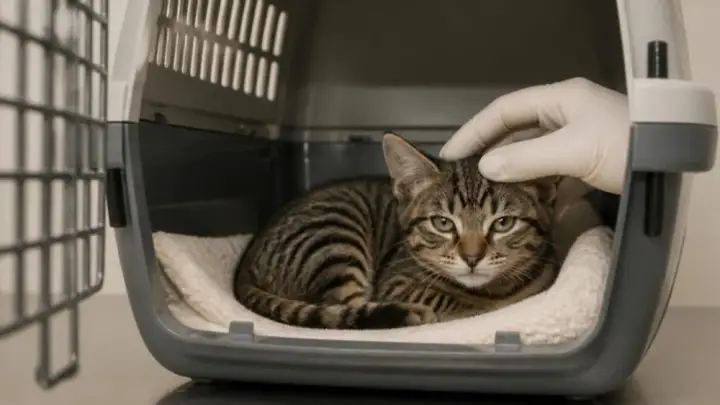
| Also called | Feline distemper; feline parvovirus infection |
|---|---|
| Cause | Feline parvovirus, which attacks cells that divide quickly |
| Most at risk | Kittens and unvaccinated cats |
| How it spreads | Direct contact with an infected cat, or contaminated litter boxes, bowls, bedding, cages and carriers |
| Signs start | Usually 2 to 7 days after exposure, but it can take as long as 14 days |
| Common signs | Tiredness or hiding, loss of appetite, fever, vomiting, diarrhea that is sometimes bloody, and dehydration |
| Treatment | No specific cure; most sick cats need supportive hospital care in an isolation area |
| Outlook | Many sick cats do not survive even with good hospital care; early treatment gives the best chance |
| Prevention | Vaccination, a core vaccine recommended for every cat, including indoor cats |
| Risk to people | Does not infect people |
| Emergency if | The cat collapses, keeps vomiting, has bloody diarrhea, feels cold or is very weak, or a young kitten has not eaten for most of a day |
Feline panleukopenia is a severe and very contagious viral disease of cats. It is also called feline distemper or feline parvovirus infection. Despite the name, it is not related to distemper in dogs, which is caused by a different virus. Kittens and unvaccinated cats are at the highest risk, and the illness can become life-threatening within days.
Vaccines give strong and long-lasting protection, and veterinary guidelines around the world recommend this vaccine for every cat.
Signs to watch for
Signs often start suddenly. Young kittens can become ill so fast that they die before anyone notices a problem. Adult cats may have a milder illness, or no visible signs at all. Common signs include the following.
- Tiredness, weakness or hiding
- Loss of appetite
- Fever in the early stage
- Vomiting, which often begins a day or two after the fever
- Diarrhea, sometimes with blood, although not every sick cat has it
- Drooling, which can come with nausea
- Signs of belly pain, such as a hunched posture or dislike of being touched or picked up
- Dehydration, with dry, sticky gums or sunken eyes
- A dull, rough coat
Other illnesses can cause similar signs, and only a vet can tell them apart. If a kitten or an unvaccinated cat has vomiting or diarrhea and low energy, it is best to have it seen by a vet the same day.
When it is an emergency
With this disease, hours matter. Seek veterinary care right away in these situations.
- The cat has collapsed or cannot stand
- The cat keeps vomiting or cannot keep water down
- There is blood in the diarrhea
- The cat feels cold to the touch or is very weak
- A young kitten has not eaten for most of a day
Call the clinic before you go and say that you suspect panleukopenia. The staff can then keep your cat away from other patients. Keep the sick cat apart from your other cats, and bring any vaccination records you have.
What causes it
The disease is caused by feline parvovirus. This virus attacks cells that divide quickly. In cats, these are mainly the cells in the bone marrow and lymph tissue that produce white blood cells, and the cells that line the intestine. The word panleukopenia means a shortage of all types of white blood cells.
Without enough white blood cells, the body cannot fight infection well. At the same time, the damaged lining of the gut lets bacteria pass from the intestine into the blood. This can lead to a life-threatening blood infection.
How it spreads
Sick cats shed large amounts of virus in their feces, vomit, urine, saliva and nasal discharge. A healthy cat can catch it through direct contact with an infected cat. Contaminated objects play a big part too, such as litter boxes, food bowls, bedding, cages and carriers.
The virus is very tough. Indoors it can survive for months, sometimes up to a year. It also survives freezing weather outdoors. People can carry it on their hands, clothes and shoes. So even an indoor cat that never meets another cat can be exposed.
The first signs usually appear 2 to 7 days after exposure, but this period can be as long as 14 days. Cats that recover can shed the virus in their feces for up to six weeks, although most stop sooner.
The virus can also pass from a pregnant cat to her unborn kittens and may cause the loss of the litter. Kittens infected shortly before or after birth can develop cerebellar hypoplasia, in which the part of the brain that coordinates movement does not develop fully. These kittens walk with a wobbly, high-stepping gait and may have tremors. The condition does not get worse and is not painful, and many of these cats live a normal lifespan.
How vets diagnose and treat it
The vet will ask about vaccinations and examine the cat. A quick test on a stool sample can detect the virus at the clinic. The test can miss some cases, and a recent vaccination can briefly cause a positive result, so the vet reads it together with the other findings. A blood count often shows very few white blood cells. A laboratory PCR test can help in unclear cases.
There is no specific cure for the virus. Treatment supports the body until the immune system can clear the infection. Most sick cats need hospital care in an isolation area. Fluids given into a vein treat dehydration and correct the salt balance in the blood. Other common parts of treatment are medicine against nausea, antibiotics to control bacteria coming from the damaged gut, warmth, and feeding as early as possible, sometimes through a tube. Some cats also need a transfusion of blood or plasma.
Even with good hospital care, many sick cats do not survive, and kittens are at the greatest risk. Early treatment gives the best chance. Home care alone is not enough for this illness, and some human medicines are dangerous for cats, so it is best to ask your vet before giving anything. Cats that recover usually have strong, long-lasting immunity.
How to prevent it
Vaccination is the best protection. The panleukopenia vaccine is a core vaccine, recommended for every cat, including indoor cats. It is usually given as a combination vaccine that also protects against two common respiratory viruses.
Kittens get protective antibodies from their mother, mainly through her first milk. These fade over the first months, but while they last they can stop a vaccine from working. For this reason, kittens receive a series of vaccinations a few weeks apart, usually from 6 to 8 weeks of age until at least 16 weeks. A further dose follows later. After that, current guidelines suggest a booster about every three years for most adult cats, and your vet can advise on the right schedule. Some vaccine types are not suitable for pregnant cats or very young kittens, so tell your vet if a cat might be pregnant.
Many vets advise keeping a kitten away from unknown cats, and from places where other cats have been, until at least a week after its last kitten vaccine.
The virus survives many common household cleaners. If a cat in your home has had panleukopenia, ask your vet which disinfectant to use. Diluted bleach is one of the products known to work, but it must be mixed correctly, kept apart from other cleaners and left on surfaces for at least 10 minutes. Remove dirt and feces first, because the virus can hide in organic material. Wash bedding and throw away items that cannot be cleaned well, such as cardboard scratchers. Keep cats away until surfaces are rinsed and dry.
Because the virus can last up to a year, talk to your vet before bringing a new cat into a home where panleukopenia has occurred. It is safest if the new cat is fully vaccinated first.
Other pets and people
Feline panleukopenia does not infect people. The cat virus also does not cause disease in dogs. The related canine parvovirus, which causes parvo in dogs, can sometimes infect cats. It makes sense to keep a dog with parvo away from cats, especially kittens.
People can still carry the virus between cats. After handling a sick cat, wash your hands well and change your clothes before touching other cats. A recovered cat is best kept away from unvaccinated cats and kittens for about six weeks, while it may still shed the virus.
Rescued and newly adopted cats
Panleukopenia spreads most easily where many unvaccinated cats and kittens live close together. Street colonies, crowded shelters and homes fostering several litters are typical examples. A European advisory board of cat vets reports that the disease has returned as a cause of death in shelters and rescue homes in Europe, the United States and Australia. Cats rescued from the street rarely come with any vaccination history.
At Paw Squadron, the first stops after every rescue are the vet and a bath. Each animal gets a checkup, deworming and treatment against fleas and other parasites. Before adoption, every animal also receives the treatment it needs, its vaccinations and a microchip.
Because the incubation period can last up to two weeks, a cat from any source can look healthy on arrival and still become ill later. It helps to keep a new cat in a separate room for the first two weeks, or as long as your vet suggests, with its own litter box and bowls. It also helps if the cats already in your home are up to date on their vaccines. A visit to your own vet soon after arrival is also a good idea, since young kittens often still need later vaccine doses.
To meet cats who are vaccinated, microchipped and ready for a new home, visit our Adoptions page. For any question about your own cat's health, your veterinarian is the best person to ask.
See also
From our rescues
This article is general information, not veterinary advice. Always consult a veterinarian about your animal’s health. Some pictures in PawPedia may be AI-generated.
This page was last updated on September 26, 2026.