What Changes When You Adopt a Dog
From PawPedia, an encyclopedia of life with animals
Contents
| Three changes | More structure in the day, more time outdoors and more talking to neighbors |
|---|---|
| Daily routine | A dog needs to eat, go out and sleep at roughly the same times every day |
| Walks | Most dogs need at least two walks a day, and many need more, in every kind of weather |
| Meeting people | Let people admire from a distance until your dog shows you it is comfortable |
| Rescue dogs | Arrive with a past you only partly know |
| Progress | Comes in small steps and is uneven; a dog that seemed settled can have a run of difficult days |
| Costs | Money every month for food and routine care, and at some point an unexpected vet bill |
| First weeks | Accidents indoors are common, even in dogs that seem house-trained |
| Challenges | Most improve with patience and a steady routine; a trainer who uses reward-based methods can help with the rest |
| Commitment | A dog commonly lives for a decade or more |
| Best reason | Wanting to give one particular dog a good life, and being ready to do it for all of that life |
For most new adopters, the first change arrives early in the morning, with a cold nose and a dog who has decided it is time to go out. It does not matter that it is Sunday or that it is raining. Within a few weeks, that small daily fact starts to reorganize everything around it.
People who adopt tend to describe the same three changes: their days get more structure, they spend more time outdoors, and they end up talking to neighbors they had passed for years without a word. Rescue adds a fourth change of its own, and there are costs that are easy to underestimate. This guide covers all of it, so you can decide with a clear head.
Your days take on a shape
A dog needs to eat, go out and sleep at roughly the same times every day. Newly adopted dogs need this even more, because a predictable routine is how they learn that the new place is safe. The result is that your own day gets fixed points whether you planned for them or not.
For many people this turns out to be the most useful part. Someone working from home suddenly has a reason to stop at lunchtime and step outside. Someone going through a hard stretch, such as a loss, an illness or a move to a new city, finds that the dog asks for the same things every morning, and meeting those small demands can pull the rest of the day along with it.
The flip side is that the schedule does not bend. Late nights out, spontaneous weekend trips and long days away from home all need a plan for the dog first. The adopters who settle in most easily are the ones who expected this and made room for it before the dog arrived.
You spend more time outside
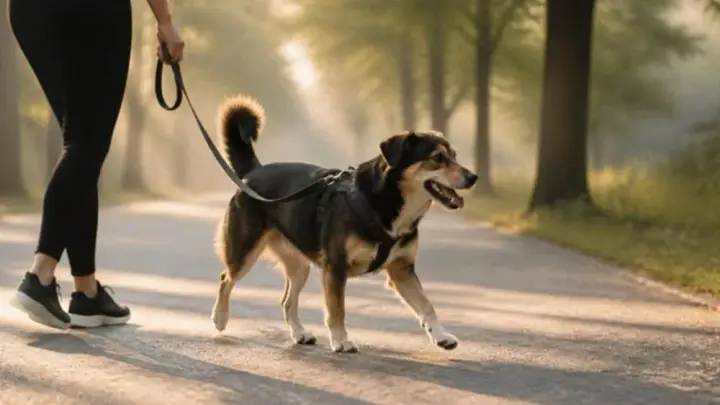
Most dogs need at least two walks a day, and many need more, in every kind of weather. That adds up to a lot of time outdoors, and it is the steady, low-key kind of exercise that people often struggle to keep up on their own. Dog owners are well known for walking more than people without dogs, which will surprise no one who has held a leash on a dark January morning.
You also start to see your neighborhood differently. You learn which streets are quiet, where the good patches of grass are, which fence hides the cat your dog cannot ignore, and what the park looks like before the rest of the city wakes up. A walk with a dog is slow and led by the nose, and it keeps you in the present far more than a walk with headphones in.
People start talking to you
A dog is one of the easiest reasons for strangers to speak to each other. Other dog walkers stop to let the dogs sniff, children ask if they can say hello, and the neighbor you only ever nodded at now asks how the new dog is settling in. Within a few months, many adopters know more people on their street than they did in all the years before.
One practical note: a friendly crowd is not what every newly adopted dog needs. A dog that is still unsure of the world can find a stream of strangers overwhelming. Let people admire from a distance until your dog shows you it is comfortable, and feel free to say no to petting when your dog looks tense.
What is different about a rescue dog
A dog from a rescue arrives with a past you only partly know. It may have lived on the street, been left by a road or grown up with very little human contact. That history shapes the first weeks: some dogs are clingy, some keep to a corner, and many do not show their real personality until they have decided the new home is going to last.
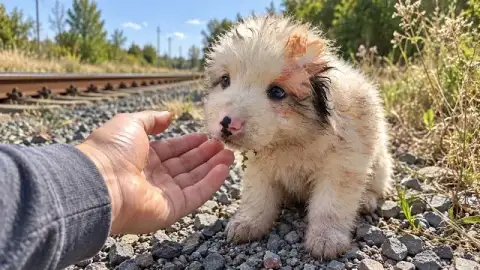
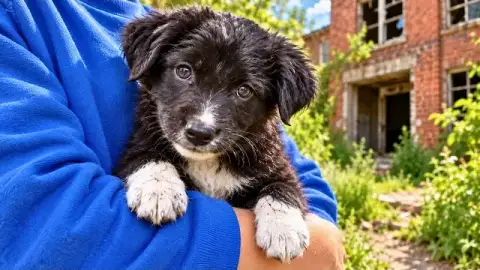
Knowing where a dog started also changes how ordinary moments feel. Hairy Styles, one of the puppies we rescued, was reported wandering near a railroad and found by the road with leftover scraps of food. Merrill Street, another of our rescues, was hiding between the floors of an abandoned warehouse after days of heavy rain. Both have since been adopted, and once you have seen where a dog like that began, a photo of it asleep indoors reads very differently.
Progress with a rescue dog comes in small steps, and each one tends to stay with you. The first time a dog that flinched at every hand rests its head on your knee, or the first time it sleeps on its back with its belly in the air, you will remember it. Our guide to bonding with a rescue animal explains how to earn that trust without rushing it.
A good rescue does much of the groundwork before the dog reaches you. A dog adopted from Paw Squadron has been through a vet checkup, treatment, vaccinations and microchipping, and it is neutered once it is strong enough for surgery. It also receives a pet passport before adoption, and after the adoption we stay in touch and help where we can.
The parts that are harder than expected
It would be dishonest to describe only the good changes. A dog costs money every month for food and routine care, and at some point there will be a vet bill you did not see coming. It costs time every single day, including the days when you are ill or exhausted, and it makes travel more complicated and rented housing harder to find.
Rescue dogs can bring particular challenges as well. Accidents indoors are common in the first weeks, even in dogs that seem house-trained, and some dogs chew when they are anxious or struggle when left alone. Most of this improves with patience and a steady routine, and a trainer who uses reward-based methods can help with the rest. These are the everyday adjustments that surprise many new adopters:
- Mornings start earlier, weekends included.
- Evenings out, trips and vacations all begin with arranging care for the dog.
- The home needs some changes: trash cans secured, doors kept closed, cables and shoes moved out of reach.
- Dog hair turns up on clothes, sofas and car seats.
- Progress is uneven, and a dog that seemed settled can have a run of difficult days.
Adopt for the dog's sake
None of this makes a dog a form of therapy, and it is unfair to adopt one mainly to fix something in your own life. A dog commonly lives for a decade or more. It will need you on the days when it is sick, old or simply hard work, and those days count as much as the good ones.
The best reason to adopt is that you want to give one particular dog a good life and you are ready to do it for all of that life. The benefits to you are real, and they tend to follow when the dog comes first. Before you start, work through the readiness questions in our guide on how to adopt a rescue dog, which also explains each step of the adoption, or use the short checklist on our adoptions page.
What to do next
When your answers point toward yes, send an adoption inquiry. We adopt within Europe, so tell us your country in the inquiry and we will explain how it works for you.
See also
From our rescues

This article is general information, not veterinary advice. Always consult a veterinarian about your animal’s health. Some pictures in PawPedia may be AI-generated.
This page was last updated on September 30, 2026.