Feline Infectious Peritonitis (FIP): Signs, Diagnosis, and Treatment
From PawPedia, an encyclopedia of life with animals
Contents
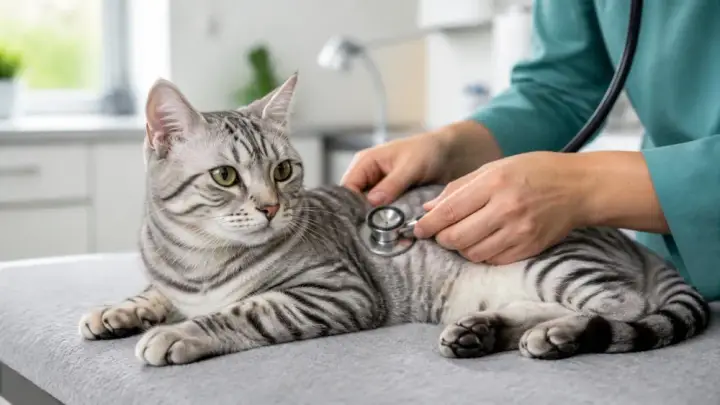
| Also called | FIP |
|---|---|
| Cause | A changed form of feline coronavirus, a very common virus that in most cats causes no signs or only mild diarrhea |
| Usual age | Mostly young cats; about 8 in 10 cases are in cats under 2 years old |
| How it spreads | FIP itself rarely passes between cats; each sick cat usually develops it from its own changed virus |
| Common signs | Fever that keeps coming back, poor appetite, weight loss, a swollen belly, labored breathing, cloudy eyes or wobbly walking |
| Diagnosis | No single simple blood test; vets put together several pieces of evidence |
| Treatment | Antiviral medicines such as remdesivir or GS-441524, on a plan set by the vet, usually for 6 to 12 weeks |
| Outlook | Expert guidelines report that more than 85 percent of treated cats recover |
| Prevention | Limiting exposure to feline coronavirus and keeping stress low |
| Risk to people | Feline coronavirus is not passed from cats to people |
| Emergency if | Labored or open-mouth breathing, seizure, collapse, sudden blindness, not eating at all for a day, a fast-growing belly with weakness |
Feline infectious peritonitis, or FIP, is a serious disease caused by a changed form of a very common cat virus. For decades it was almost always fatal. Antiviral medicines have changed that, and most cats with FIP can now recover.
This guide explains what owners tend to notice, when to see a vet urgently, how vets usually confirm the disease, and how to lower the risk in homes with several cats.
How FIP develops
FIP starts with feline coronavirus. This virus is very common, especially where many cats live together. In most cats it stays in the gut and causes no signs, or only mild diarrhea that passes.
Cats usually pick it up from the feces of other cats, most often through a shared litter box. The virus can also travel on litter, bedding, and other objects. Kittens often catch it from their mother or other adult cats when they are a few weeks old.
In a small share of infected cats, the virus changes inside the body. The changed form can spread through the body inside white blood cells. The cat's own immune response to it causes damaging inflammation, and this is what makes the cat ill. Most infected cats never develop FIP. Estimates suggest about 5 to 10 percent do.
FIP can look very different from one cat to the next. In the wet, or effusive, form, fluid builds up in the belly, the chest, or both. In the dry, or non-effusive, form, inflammation affects organs such as the eyes, brain, liver, kidneys, or intestines. Some cats show signs of both, and the picture can change over time.
Cats most at risk
FIP is mostly a disease of young cats. About 8 in 10 cases are in cats under 2 years old, and around half are in kittens younger than 7 months. Cats older than 10 years also have a somewhat higher risk.
Living in a large group of cats, such as a shelter, cattery, or busy rescue, raises the risk. Purebred cats, male cats, and cats with feline leukemia virus (FeLV) or feline immunodeficiency virus (FIV) are also at higher risk. Stress plays a part too. FIP often shows up after a stressful change, such as a move to a new home, time in a shelter, or surgery.
This is why FIP comes up with rescued and newly adopted cats. A young cat from a crowded place that has just moved homes fits several risk factors at once. Most of these cats stay healthy. Still, fever, poor appetite, or weight loss in the first months after adoption are worth a prompt vet visit.
At Paw Squadron, the first stops after every rescue are the vet and a bath, and every animal gets a checkup, treatment, vaccinations, and a microchip before adoption. No test can predict which cat will later develop FIP, so it helps for adopters to know the signs.
Signs to watch for
Early signs are often vague and can come and go. Owners commonly notice some of the following.
- A fever that keeps coming back and does not improve with antibiotics
- Tiredness and less interest in play
- Poor appetite or refusing food
- Weight loss
- A swollen, rounded belly from fluid buildup
- Fast or labored breathing when fluid collects in the chest
- A yellow tint to the gums, skin, or whites of the eyes
- Cloudy eyes, blood inside the eye, or trouble seeing
- Wobbly walking, changes in behavior, or seizures
The wet form usually gets worse over days to weeks. The dry form tends to progress more slowly, over weeks or months. Because these signs overlap with many other illnesses, the vet may need more than one visit and several tests to reach an answer.
When it is an emergency
Some signs need a vet the same day. If your cat shows any of these, it is best to contact your vet or an emergency clinic right away.
- Breathing with effort, breathing with the mouth open, or fast breathing at rest
- A seizure, collapse, or sudden trouble standing or walking
- Sudden blindness or blood visible inside the eye
- Not eating at all for a day, especially in a kitten
- A belly that is growing quickly, together with weakness
Fluid in the chest can make breathing hard very quickly. A vet can drain the fluid to help the cat breathe more easily while tests continue.
How vets diagnose FIP
There is no single simple blood test for FIP. A positive coronavirus antibody test only shows that the cat has met the virus at some point, which is true of many healthy cats. Vets put together several pieces of evidence instead.
They start with the cat's age, history, and a full exam. Blood tests often show a pattern that fits FIP, such as high levels of proteins called globulins, low albumin, and changes in the white and red blood cells. An ultrasound can show fluid, enlarged lymph nodes, or changes in organs.
If there is fluid in the belly or chest, a sample is very helpful. FIP fluid is usually yellow, sticky, and high in protein. The lab can look for the virus in the fluid with a PCR test or with special staining of the cells. When there is no fluid, the vet may take a small sample from an affected organ or lymph node with a fine needle. Cats with only eye or nerve signs can be harder to diagnose and may need more tests. A quick improvement once treatment starts can also support the diagnosis.
Treatment today
Until recently, vets could only offer comfort care. Antiviral drugs have changed that. Medicines such as remdesivir and the closely related GS-441524 stop the virus from copying itself. Expert guidelines report that more than 85 percent of treated cats recover.
Most cats now take the medicine by mouth. Very sick cats may get injections at first. Many cats start to improve within a few days. The fever drops, appetite returns, and energy comes back.
Treatment usually lasts 6 to 12 weeks. For years the standard was 12 weeks. Newer research shows that a 6-week course can work just as well for many cats, and recent expert guidelines reflect this. Cats with eye or brain involvement may need a different plan. The vet sets the length based on the form of FIP and how the cat responds.
Supportive care is often needed at the start. This can include draining fluid, fluids for dehydration, anti-nausea medicine, and help with eating. Regular rechecks with blood tests let the vet track progress and decide when to stop. Some cats relapse after treatment ends, so follow-up visits usually continue for a while.
Legal access to these antivirals differs between countries. In some places vets can prescribe legal forms of these medicines. In others, owners come across unregulated products sold online, and their content and quality are not checked. It is recommended to discuss the options with your vet and to follow the full treatment plan they set.
Other pets and people
FIP itself rarely passes from one cat to another, because each sick cat usually develops it from its own changed virus. A cat with FIP can still carry and shed feline coronavirus in its feces, as many healthy cats do. Other cats in the same home have most likely been exposed already. Your vet can advise whether separate litter boxes or other steps make sense for your household.
Dogs do not get FIP. Feline coronavirus is not passed from cats to people, and it is a different virus from the one that causes COVID-19.
Lowering the risk at home
There is no reliable way to vaccinate against FIP. A vaccine is sold in some countries, but it has not been shown to protect well, and feline vaccination guidelines list it as not generally recommended. Prevention focuses on limiting exposure to feline coronavirus and keeping stress low.
In homes with several cats, these steps are usually recommended.
- One litter box per cat, plus one extra
- Scooping at least once a day and cleaning boxes regularly
- Litter boxes placed away from food and water bowls
- Small groups, ideally three or fewer cats per room
- Slow introductions for new cats and no overcrowding
Most household disinfectants inactivate feline coronavirus, so regular cleaning of boxes, bowls, and bedding helps.
If you have adopted a young cat and notice any of the signs above, it is a good idea to see your vet and mention FIP as a possibility. Early diagnosis gives treatment the best chance to work. You can read more cat health guides in PawPedia, or find answers about adoption in our FAQ.
See also
From our rescues

This article is general information, not veterinary advice. Always consult a veterinarian about your animal’s health. Some pictures in PawPedia may be AI-generated.
This page was last updated on September 30, 2026.