Köpeklerde Piyometra: Belirtiler, Tedavi ve Korunma
Hayvanlarla yaşam ansiklopedisi PawPedia’dan
İçindekiler
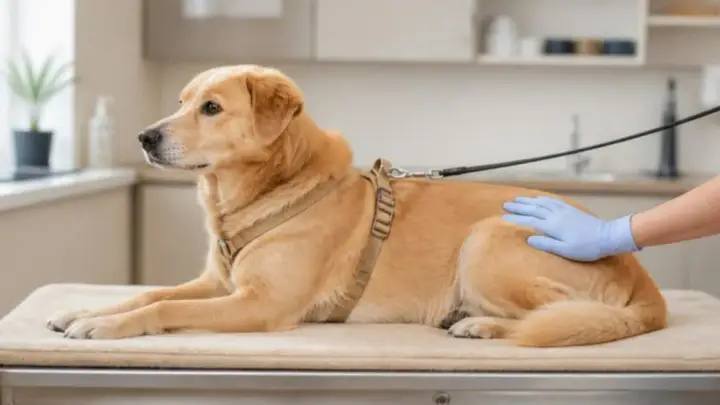
| Neden | Hormone changes inside the dog's body, with bacteria that usually come from her own body |
|---|---|
| Affects | Female dogs that have not been spayed |
| En çok risk altında olanlar | Middle-aged and older females, though young dogs can get it too |
| First signs | Often an unusual discharge, or suddenly drinking far more water a few weeks after heat; call the vet the same day |
| Sık görülen belirtiler | Discharge after heat (not always seen), drinking far more, low energy, eating less, vomiting, a swollen or tender belly |
| Diagnosis | Ultrasound is the most useful imaging test and can show a thickened, fluid-filled uterus |
| Tedavi | Surgery to remove the infected uterus and both ovaries is recommended for most dogs |
| Prognoz | Generally good when surgery happens in time; without treatment it can be fatal |
| Korunma | Spaying prevents pyometra in almost all dogs |
| İnsanlar için risk | Generally considered non-contagious; people do not catch it the way they catch a virus |
| Şu durumlarda acil | Refusing food and very weak, repeated vomiting, a swollen or sore belly, pale or unusually red gums, fast breathing at rest, collapse |
Pyometra is a serious infection of the uterus in female dogs that have not been spayed. The name means pus in the uterus. It can make a dog very ill within days, and it can be fatal without treatment. The first clues are often an unusual discharge, or a dog who suddenly drinks far more water than usual a few weeks after her heat.
It is a common problem. In a large Swedish insurance study, about one in four unspayed female dogs had developed pyometra by the age of 10, and the risk varied widely between breeds. It is most common in middle-aged and older females, but young dogs can get it too. It can be prevented, and most dogs recover well when they are treated in time.
What causes it
After each heat, a dog's ovaries produce high levels of the hormone progesterone for several weeks, whether or not she is pregnant. Progesterone prepares the uterus for pregnancy. It thickens the lining and makes its glands produce more fluid. It also weakens the local immune defense, slows the muscle contractions that would push fluid out, and keeps the cervix closed. After many cycles the lining can become thick and full of small cysts, which gives bacteria a good place to grow.
The bacteria usually come from the dog herself. The cervix opens during heat, and bacteria that normally live in the vagina and around the vulva can travel up into the uterus. E. coli is found most often, and it is often the same type that lives in her gut. As the uterus fills with pus, bacterial toxins reach the bloodstream and can affect the kidneys and other organs.
The risk grows with age, as a dog goes through more heat cycles. Hormone treatments given to postpone heat, or to prevent pregnancy after an unwanted mating, can raise the risk a great deal. Most cases appear one to two months after a heat. Pyometra can still develop anywhere from a few weeks to about four months after it.
Dikkat edilmesi gereken belirtiler
The signs depend on whether the cervix is open or closed. When it is open, pus can drain out, so you may see a discharge. When it is closed, the pus stays inside and the uterus keeps swelling. Closed pyometra usually makes a dog sicker, faster, and there may be nothing to see on the outside.
- Discharge from the vulva after the heat has ended, often creamy, yellow, green or blood-tinged, and often with a bad smell
- Frequent licking of the rear end, or dried discharge on the tail, back legs or bedding
- Drinking much more water than usual and needing to urinate more often
- Low energy and less interest in walks or play
- Eating less or refusing food
- Vomiting or diarrhea
- A swollen or tender belly
- Fever in some dogs, although many have a normal temperature
A normal heat comes with a bloody discharge, so discharge during heat is expected. The warning sign is discharge or illness in the weeks after the heat has finished. Some dogs are very clean and lick the discharge away before anyone sees it, so a change in thirst or energy may be the first thing you notice.
Ne zaman acil durumdur
Vets treat suspected pyometra as urgent, so it is best to call your vet the same day you notice signs. The danger rises sharply when the infection spreads into the blood or when the swollen uterus tears. A torn uterus spills pus into the belly and causes peritonitis, which is life-threatening. Contact your vet or an emergency clinic right away if your unspayed female shows any of these signs.
- She refuses food and seems very tired or weak
- She keeps vomiting
- Her belly looks swollen or hurts when touched
- Her gums look pale or unusually red
- She is breathing fast even at rest
- She collapses or cannot stand
A dog with a closed cervix may have no discharge at all. If an unspayed female becomes unwell in the weeks after a heat, it is worth having her checked even when nothing is visible.
How vets diagnose it
Your vet will ask when her last heat was, whether she has ever had hormone treatments, and what changes you have seen at home. The exam includes a careful feel of the belly. Vets press very gently here, because an infected uterus can be fragile.
Blood tests often show a high white blood cell count and may show strain on the kidneys. A urine sample helps assess the kidneys as well. Ultrasound is the most useful imaging test. It can show a thickened, fluid-filled uterus and help rule out pregnancy. X-rays may also be taken, and sometimes the vet looks at a sample of the discharge under a microscope.
How it is treated
Surgery is the recommended treatment for most dogs. The vet removes the infected uterus and both ovaries. It is the same operation as a spay, but it is more demanding in a sick dog with a swollen, fragile uterus. Before surgery, the vet usually gives intravenous fluids and antibiotics to stabilize her. Many dogs stay on fluids in the hospital for at least a day afterward, and very sick dogs may need longer.
Most dogs improve quickly once the infected uterus is gone, and the outlook is generally good when surgery happens in time. At home she will need rest, short leash walks, a cone or recovery suit to stop her licking the wound, and the medicines your vet prescribes. Your vet may want to repeat blood tests, especially if her kidney values were high, so it helps to keep every recheck appointment.
In a few cases, vets may consider treatment with medicines instead of surgery. Hormone medicines help open the cervix and empty the uterus, and antibiotics treat the infection. This is usually considered only for young, stable dogs that are meant for breeding. Many vets advise against it when a dog is very ill or her cervix is closed, because the risks are higher. It needs close monitoring with repeated scans and blood tests, and the infection comes back after a later heat in many dogs. If a dog does not clearly improve within about two days, or gets worse, vets usually advise surgery. There is no safe home treatment for pyometra.
Risk to other pets and people
Pyometra is generally considered non-contagious. It develops because of hormone changes inside one dog's body, and the bacteria usually come from her own body. Other dogs, cats and people do not catch it the way they catch a virus.
A 2022 report from Brazil described two unspayed females living in the same home that developed pyometra at the same time. Both infections were caused by the same strain of E. coli, and the researchers think it passed from one dog to the other. This is a single case, but simple hygiene still makes sense. Wear gloves or wash your hands after cleaning up discharge, and wash her bedding often. If you have other unspayed females, ask your vet whether to keep them apart until she has recovered.
How to prevent it
Spaying prevents pyometra in almost all dogs. Depending on the method, the vet removes the ovaries alone or the ovaries and the uterus. Either way, the hormones that drive the disease are no longer produced. A planned spay in a healthy dog is also safer and simpler than emergency surgery in a sick one. The best age for spaying can depend on your dog's size and breed, so it is worth discussing with your vet. If she has just been in heat, many vets prefer to wait two to three months before a routine spay.
Spayed dogs are rarely affected. It can happen when a small piece of ovary is left behind after surgery and keeps producing hormones. An infection can then develop in the part of the uterus that remains. If a spayed dog shows signs of heat, such as a swollen vulva or interest from male dogs, mention it to your vet.
If you keep a female for breeding, write down the dates of every heat and watch her closely for about four months after each one. Ask your vet before using any hormone treatment to delay heat or prevent pregnancy, since these can raise the risk.
Rescued and newly adopted dogs
Many rescued females are adults with an unknown past. Nobody may know how many heats she has had, when the last one was, or whether she was ever given hormone treatments. At Paw Squadron, the first stops after every rescue are the vet and a bath, with a checkup, deworming and treatment against fleas and other parasites. Before adoption, every animal gets a checkup, treatment, vaccinations and a microchip.
When you adopt a female, check her records to see whether she has been spayed. If she has not, or if you are not sure, it is a good idea to book a visit with your own vet soon after she arrives and ask about the right time to spay her. Until then, note the dates of any heat you see. If she starts drinking a lot, eats less or seems unwell in the weeks after a heat, contact your vet the same day.
You can find more guides on dog and cat health in PawPedia. If you are thinking about giving a rescued dog a home, the Adoptions page shows the animals waiting for families.
Ayrıca bakınız
Kurtarmalarımızdan
 13:05Terk Edilen Yavru Köpek, Bu Olana Kadar Ölesiye Korkmuştu ve Hayatta Kalma Mücadelesi VeriyorduChilly Eilish · 29 Ocak 2022
 10:01Küçük Yavru Köpek Acı İçinde Yardım İçin Ağlıyordu, ta ki Bu Adam Sonunda Onu Duyana KadarBin Diesel · 22 Ocak 2022
 53:05Bebek Yavru Köpek Kurtarıcısına Anında Âşık OlduRoad Stewart · 4 Ekim 2026
Bu makale genel bilgi amaçlıdır, veteriner tavsiyesi değildir. Hayvanınızın sağlığıyla ilgili her zaman bir veteriner hekime danışın. PawPedia’daki bazı görseller yapay zekâ ile oluşturulmuş olabilir.
Bu sayfa en son 30 Eylül 2026 tarihinde güncellendi.