Πυομήτρα στη σκύλα: σημάδια, θεραπεία και πρόληψη
Από την PawPedia, μια εγκυκλοπαίδεια για τη ζωή με τα ζώα
Περιεχόμενα
Εν συντομία
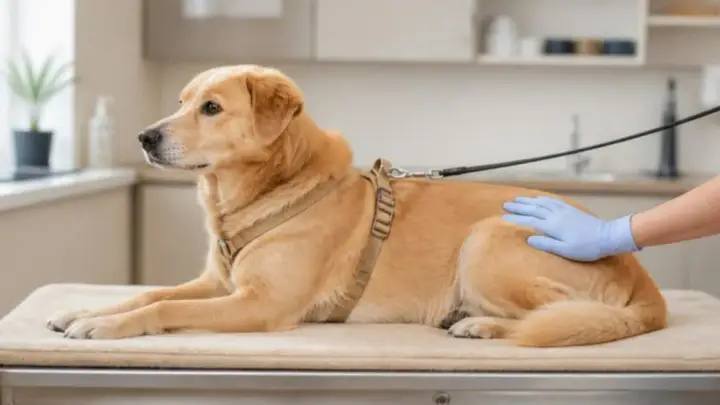
Η πυομήτρα είναι μια σοβαρή λοίμωξη της μήτρας σε μη στειρωμένες σκύλες και μπορεί να είναι θανατηφόρα χωρίς θεραπεία. Προσέξτε για έκκριμα, έντονη δίψα, χαμηλή ενέργεια ή μειωμένη όρεξη τις εβδομάδες μετά από οίστρο, και τηλεφωνήστε σε κτηνίατρο την ίδια μέρα. Η συνήθης θεραπεία είναι χειρουργική αφαίρεση της μήτρας, και η στείρωση την προλαμβάνει.
| Αιτία | Ορμονικές αλλαγές μέσα στον οργανισμό της σκύλας, με βακτήρια που συνήθως προέρχονται από το δικό της σώμα |
|---|---|
| Προσβάλλει | Θηλυκοί σκύλοι που δεν έχουν στειρωθεί |
| Σε μεγαλύτερο κίνδυνο | Θηλυκοί σκύλοι μέσης και μεγαλύτερης ηλικίας, αν και μπορεί να εμφανιστεί και σε νεαρούς σκύλους |
| Πρώτα σημάδια | Συχνά ασυνήθιστο έκκριμα ή ξαφνική κατανάλωση πολύ περισσότερου νερού λίγες εβδομάδες μετά τον οίστρο· καλέστε τον κτηνίατρο την ίδια μέρα |
| Συνήθη σημάδια | Έκκριμα μετά τον οίστρο (δεν φαίνεται πάντα), κατανάλωση πολύ περισσότερου νερού, χαμηλή ενέργεια, μειωμένη όρεξη, έμετος, πρησμένη ή ευαίσθητη στην αφή κοιλιά |
| Διάγνωση | Το υπερηχογράφημα είναι η πιο χρήσιμη απεικονιστική εξέταση και μπορεί να δείξει μια μήτρα με πεπαχυσμένο τοίχωμα, γεμάτη υγρό |
| Θεραπεία | Για τα περισσότερα σκυλιά συνιστάται χειρουργική αφαίρεση της μολυσμένης μήτρας και των δύο ωοθηκών |
| Πρόγνωση | Γενικά καλή όταν η επέμβαση γίνεται έγκαιρα· χωρίς θεραπεία μπορεί να είναι θανατηφόρα |
| Πρόληψη | Η στείρωση προλαμβάνει την πυομήτρα σχεδόν σε όλα τα σκυλιά |
| Κίνδυνος για τους ανθρώπους | Γενικά θεωρείται μη μεταδοτική· οι άνθρωποι δεν την κολλούν όπως κολλούν έναν ιό |
| Επείγον αν | Άρνηση τροφής και μεγάλη αδυναμία, επαναλαμβανόμενοι έμετοι, πρησμένη ή επώδυνη κοιλιά, ωχρά ή ασυνήθιστα κόκκινα ούλα, γρήγορη αναπνοή σε ηρεμία, κατάρρευση |
Η πυομήτρα είναι μια σοβαρή λοίμωξη της μήτρας σε θηλυκά σκυλιά που δεν έχουν στειρωθεί. Η ονομασία σημαίνει «πύον στη μήτρα». Μπορεί να κάνει ένα σκυλί βαριά άρρωστο μέσα σε λίγες μέρες και χωρίς θεραπεία μπορεί να είναι θανατηφόρα. Τα πρώτα σημάδια είναι συχνά ένα ασυνήθιστο έκκριμα ή μια σκυλίτσα που ξαφνικά πίνει πολύ περισσότερο νερό από ό,τι συνήθως, λίγες εβδομάδες μετά τον οίστρο της.
Είναι συχνό πρόβλημα. Σε μια μεγάλη σουηδική μελέτη με δεδομένα ασφαλίσεων, περίπου ένα στα τέσσερα μη στειρωμένα θηλυκά σκυλιά είχε εμφανίσει πυομήτρα έως την ηλικία των 10 ετών, και ο κίνδυνος διέφερε πολύ από φυλή σε φυλή. Είναι πιο συχνή σε θηλυκά μέσης και μεγαλύτερης ηλικίας, αλλά μπορεί να την εμφανίσουν και νεαρά σκυλιά. Μπορεί να προληφθεί, και τα περισσότερα σκυλιά αναρρώνουν καλά όταν λαμβάνουν θεραπεία έγκαιρα.
Αίτια
Μετά από κάθε οίστρο, οι ωοθήκες ενός θηλυκού σκύλου παράγουν για αρκετές εβδομάδες υψηλά επίπεδα της ορμόνης προγεστερόνης, είτε το ζώο είναι έγκυο είτε όχι. Η προγεστερόνη προετοιμάζει τη μήτρα για την εγκυμοσύνη. Προκαλεί πάχυνση του ενδομητρίου και κάνει τους αδένες του να παράγουν περισσότερο υγρό. Επίσης εξασθενεί την τοπική ανοσολογική άμυνα, επιβραδύνει τις μυϊκές συσπάσεις που θα έσπρωχναν το υγρό προς τα έξω και κρατά τον τράχηλο της μήτρας κλειστό. Μετά από πολλούς κύκλους, το ενδομήτριο μπορεί να γίνει παχύ και γεμάτο μικρές κύστεις, προσφέροντας στα βακτήρια ένα καλό περιβάλλον για να πολλαπλασιαστούν.
Τα βακτήρια συνήθως προέρχονται από το ίδιο το ζώο. Ο τράχηλος της μήτρας ανοίγει κατά τη διάρκεια του οίστρου και βακτήρια που ζουν φυσιολογικά στον κόλπο και γύρω από το αιδοίο μπορούν να ανέβουν στη μήτρα. Το βακτήριο που βρίσκεται συχνότερα είναι το E. coli, και συχνά πρόκειται για τον ίδιο τύπο που ζει στο έντερο του ζώου. Καθώς η μήτρα γεμίζει με πύον, βακτηριακές τοξίνες περνούν στην κυκλοφορία του αίματος και μπορούν να επηρεάσουν τα νεφρά και άλλα όργανα.
Ο κίνδυνος αυξάνεται με την ηλικία, καθώς το σκυλί περνά όλο και περισσότερους κύκλους οίστρου. Οι ορμονικές θεραπείες που χορηγούνται για να αναβληθεί ο οίστρος ή για να αποτραπεί η εγκυμοσύνη μετά από ανεπιθύμητο ζευγάρωμα μπορούν να αυξήσουν πολύ τον κίνδυνο. Τα περισσότερα περιστατικά εμφανίζονται ένα έως δύο μήνες μετά τον οίστρο. Ωστόσο, η πυομήτρα μπορεί να εκδηλωθεί οποιαδήποτε στιγμή από λίγες εβδομάδες έως περίπου τέσσερις μήνες μετά από αυτόν.
Σημάδια που πρέπει να προσέχετε
Τα σημάδια εξαρτώνται από το αν ο τράχηλος της μήτρας είναι ανοιχτός ή κλειστός. Όταν είναι ανοιχτός, το πύον μπορεί να βγει προς τα έξω, οπότε μπορεί να δείτε κάποιο έκκριμα. Όταν είναι κλειστός, το πύον μένει μέσα και η μήτρα συνεχίζει να διογκώνεται. Η κλειστή πυομήτρα συνήθως αρρωσταίνει το σκυλί πιο βαριά και πιο γρήγορα, και μπορεί να μη φαίνεται τίποτα εξωτερικά.
- Έκκριμα από το αιδοίο μετά το τέλος του οίστρου, συχνά κρεμώδες, κίτρινο, πράσινο ή με ίχνη αίματος και συχνά με δυσάρεστη οσμή
- Συχνό γλείψιμο των οπισθίων ή ξεραμένο έκκριμα στην ουρά, στα πίσω πόδια ή εκεί όπου κοιμάται
- Κατανάλωση πολύ περισσότερου νερού από ό,τι συνήθως και ανάγκη για συχνότερη ούρηση
- Χαμηλή ενέργεια και μειωμένο ενδιαφέρον για βόλτες ή παιχνίδι
- Μειωμένη όρεξη ή άρνηση τροφής
- Έμετος ή διάρροια
- Πρησμένη ή ευαίσθητη κοιλιά
- Πυρετός σε ορισμένα σκυλιά, αν και πολλά έχουν φυσιολογική θερμοκρασία
Ένας φυσιολογικός οίστρος συνοδεύεται από αιματηρό έκκριμα, οπότε το έκκριμα κατά τη διάρκεια του οίστρου είναι αναμενόμενο. Σημάδι κινδύνου είναι το έκκριμα ή τα σημάδια αρρώστιας τις εβδομάδες μετά το τέλος του οίστρου. Κάποια σκυλιά είναι πολύ καθαρά και γλείφουν το έκκριμα πριν το δει κανείς, οπότε μια αλλαγή στη δίψα ή στην ενέργεια μπορεί να είναι το πρώτο που θα παρατηρήσετε.
Πότε είναι επείγον
Οι κτηνίατροι αντιμετωπίζουν την υποψία πυομήτρας ως επείγον περιστατικό, οπότε είναι καλύτερο να καλέσετε τον κτηνίατρό σας την ίδια μέρα που θα παρατηρήσετε τα σημάδια. Ο κίνδυνος αυξάνεται απότομα όταν η λοίμωξη περάσει στο αίμα ή όταν η διογκωμένη μήτρα υποστεί ρήξη. Όταν η μήτρα υποστεί ρήξη, το πύον χύνεται στην κοιλιακή κοιλότητα και προκαλεί περιτονίτιδα, η οποία είναι απειλητική για τη ζωή. Επικοινωνήστε αμέσως με τον κτηνίατρό σας ή με ένα κτηνιατρείο επειγόντων περιστατικών αν η μη στειρωμένη σκυλίτσα σας παρουσιάσει οποιοδήποτε από αυτά τα σημάδια.
- Αρνείται την τροφή και φαίνεται πολύ κουρασμένη ή αδύναμη
- Κάνει επανειλημμένα εμετό
- Η κοιλιά της φαίνεται πρησμένη ή πονά όταν την αγγίζετε
- Τα ούλα της φαίνονται ωχρά ή ασυνήθιστα κόκκινα
- Αναπνέει γρήγορα ακόμη και σε ηρεμία
- Καταρρέει ή δεν μπορεί να σταθεί όρθια
Ένα σκυλί με κλειστό τράχηλο μήτρας μπορεί να μην έχει καθόλου έκκριμα. Αν ένα μη στειρωμένο θηλυκό σκυλί δεν είναι καλά τις εβδομάδες μετά από έναν οίστρο, αξίζει να το εξετάσει κτηνίατρος, ακόμη και όταν δεν φαίνεται τίποτα.
Πώς θέτουν τη διάγνωση οι κτηνίατροι
Ο κτηνίατρός σας θα ρωτήσει πότε ήταν ο τελευταίος οίστρος της σκυλίτσας σας, αν έχει λάβει ποτέ ορμονικές θεραπείες και ποιες αλλαγές έχετε παρατηρήσει στο σπίτι. Η εξέταση περιλαμβάνει προσεκτική ψηλάφηση της κοιλιάς. Οι κτηνίατροι πιέζουν εδώ πολύ απαλά, επειδή μια μολυσμένη μήτρα μπορεί να είναι εύθραυστη.
Οι εξετάσεις αίματος συχνά δείχνουν αυξημένο αριθμό λευκών αιμοσφαιρίων και μπορεί να δείξουν επιβάρυνση των νεφρών. Ένα δείγμα ούρων βοηθά επίσης στην αξιολόγηση των νεφρών. Το υπερηχογράφημα είναι η πιο χρήσιμη απεικονιστική εξέταση. Μπορεί να δείξει μια μήτρα με πεπαχυσμένο τοίχωμα, γεμάτη υγρό, και να βοηθήσει να αποκλειστεί η εγκυμοσύνη. Μπορεί επίσης να γίνουν ακτινογραφίες, ενώ μερικές φορές ο κτηνίατρος εξετάζει ένα δείγμα του εκκρίματος στο μικροσκόπιο.
Πώς αντιμετωπίζεται
Η χειρουργική επέμβαση είναι η συνιστώμενη θεραπεία για τα περισσότερα σκυλιά. Ο κτηνίατρος αφαιρεί τη μολυσμένη μήτρα και τις δύο ωοθήκες. Πρόκειται για την ίδια επέμβαση με τη στείρωση, όμως είναι πιο απαιτητική σε ένα άρρωστο ζώο με διογκωμένη, εύθραυστη μήτρα. Πριν από το χειρουργείο, ο κτηνίατρος συνήθως χορηγεί ενδοφλέβια υγρά και αντιβιοτικά για να σταθεροποιηθεί η κατάσταση του ζώου. Πολλά σκυλιά παραμένουν σε νοσηλεία με ενδοφλέβια υγρά για τουλάχιστον μία μέρα μετά την επέμβαση, και τα πολύ άρρωστα σκυλιά μπορεί να χρειαστούν περισσότερο.
Τα περισσότερα σκυλιά βελτιώνονται γρήγορα μόλις αφαιρεθεί η μολυσμένη μήτρα, και η πρόγνωση είναι γενικά καλή όταν η επέμβαση γίνεται έγκαιρα. Στο σπίτι η σκυλίτσα θα χρειαστεί ξεκούραση, σύντομες βόλτες με λουρί, ένα κολάρο-χωνί ή μια μετεγχειρητική στολή ώστε να μη γλείφει το τραύμα, καθώς και τα φάρμακα που θα συνταγογραφήσει ο κτηνίατρός σας. Ο κτηνίατρος μπορεί να θελήσει να επαναλάβει τις εξετάσεις αίματος, ιδίως αν οι νεφρικές τιμές ήταν αυξημένες, γι' αυτό είναι καλό να τηρείτε κάθε ραντεβού επανελέγχου.
Σε λίγες περιπτώσεις, οι κτηνίατροι μπορεί να εξετάσουν φαρμακευτική θεραπεία αντί για χειρουργική επέμβαση. Τα ορμονικά φάρμακα βοηθούν να ανοίξει ο τράχηλος της μήτρας και να αδειάσει η μήτρα, ενώ τα αντιβιοτικά αντιμετωπίζουν τη λοίμωξη. Αυτή η επιλογή εξετάζεται συνήθως μόνο για νεαρά σκυλιά σε σταθερή κατάσταση που προορίζονται για αναπαραγωγή. Πολλοί κτηνίατροι την αποθαρρύνουν όταν το σκυλί είναι πολύ άρρωστο ή ο τράχηλος της μήτρας είναι κλειστός, επειδή οι κίνδυνοι είναι μεγαλύτεροι. Απαιτεί στενή παρακολούθηση με επαναλαμβανόμενα υπερηχογραφήματα και εξετάσεις αίματος, και σε πολλά σκυλιά η λοίμωξη επανεμφανίζεται μετά από κάποιον επόμενο οίστρο. Αν το σκυλί δεν βελτιωθεί σαφώς μέσα σε περίπου δύο μέρες ή αν χειροτερέψει, οι κτηνίατροι συνήθως συστήνουν χειρουργική επέμβαση. Δεν υπάρχει ασφαλής θεραπεία για την πυομήτρα στο σπίτι.
Κίνδυνος για άλλα κατοικίδια και για τους ανθρώπους
Η πυομήτρα γενικά θεωρείται μη μεταδοτική. Αναπτύσσεται λόγω ορμονικών αλλαγών μέσα στον οργανισμό ενός συγκεκριμένου ζώου, και τα βακτήρια συνήθως προέρχονται από το ίδιο το ζώο. Τα άλλα σκυλιά, οι γάτες και οι άνθρωποι δεν την κολλούν όπως κολλούν έναν ιό.
Μια αναφορά του 2022 από τη Βραζιλία περιέγραψε δύο μη στειρωμένα θηλυκά σκυλιά που ζούσαν στο ίδιο σπίτι και εμφάνισαν πυομήτρα ταυτόχρονα. Και οι δύο λοιμώξεις προκλήθηκαν από το ίδιο στέλεχος E. coli, και οι ερευνητές πιστεύουν ότι μεταδόθηκε από το ένα σκυλί στο άλλο. Πρόκειται για μεμονωμένο περιστατικό, όμως η απλή υγιεινή εξακολουθεί να έχει νόημα. Φοράτε γάντια ή πλένετε τα χέρια σας αφού καθαρίσετε έκκριμα, και πλένετε συχνά τα στρωσίδια όπου κοιμάται η σκυλίτσα σας. Αν έχετε κι άλλα μη στειρωμένα θηλυκά σκυλιά, ρωτήστε τον κτηνίατρό σας αν πρέπει να τα κρατάτε χωριστά μέχρι να αναρρώσει.
Πώς προλαμβάνεται
Η στείρωση προλαμβάνει την πυομήτρα σχεδόν σε όλα τα σκυλιά. Ανάλογα με τη μέθοδο, ο κτηνίατρος αφαιρεί μόνο τις ωοθήκες ή τις ωοθήκες και τη μήτρα. Σε κάθε περίπτωση, οι ορμόνες που προκαλούν τη νόσο δεν παράγονται πλέον. Μια προγραμματισμένη στείρωση σε υγιές σκυλί είναι επίσης ασφαλέστερη και απλούστερη από μια επείγουσα επέμβαση σε άρρωστο ζώο. Η καλύτερη ηλικία για στείρωση μπορεί να εξαρτάται από το μέγεθος και τη φυλή του σκύλου σας, γι' αυτό αξίζει να τη συζητήσετε με τον κτηνίατρό σας. Αν η σκυλίτσα σας μόλις είχε οίστρο, πολλοί κτηνίατροι προτιμούν να περιμένουν δύο έως τρεις μήνες πριν από μια στείρωση ρουτίνας.
Τα στειρωμένα σκυλιά σπάνια προσβάλλονται. Μπορεί να συμβεί όταν ένα μικρό κομμάτι ωοθήκης παραμείνει μετά την επέμβαση και συνεχίσει να παράγει ορμόνες. Τότε μπορεί να αναπτυχθεί λοίμωξη στο τμήμα της μήτρας που έχει απομείνει. Αν ένα στειρωμένο θηλυκό σκυλί δείχνει σημάδια οίστρου, όπως διογκωμένο αιδοίο ή ενδιαφέρον από αρσενικά σκυλιά, αναφέρετέ το στον κτηνίατρό σας.
Αν έχετε ένα θηλυκό σκυλί για αναπαραγωγή, σημειώνετε τις ημερομηνίες κάθε οίστρου και παρακολουθείτε το ζώο στενά για περίπου τέσσερις μήνες μετά από κάθε οίστρο. Ρωτήστε τον κτηνίατρό σας πριν χρησιμοποιήσετε οποιαδήποτε ορμονική θεραπεία για αναβολή του οίστρου ή πρόληψη της εγκυμοσύνης, καθώς τέτοιες θεραπείες μπορούν να αυξήσουν τον κίνδυνο.
Διασωσμένοι και πρόσφατα υιοθετημένοι σκύλοι
Πολλά διασωσμένα θηλυκά σκυλιά είναι ενήλικα με άγνωστο παρελθόν. Μπορεί να μην ξέρει κανείς πόσους οίστρους έχουν περάσει, πότε ήταν ο τελευταίος ή αν τους χορηγήθηκαν ποτέ ορμονικές θεραπείες. Στην Paw Squadron, οι πρώτοι σταθμοί μετά από κάθε διάσωση είναι ο κτηνίατρος και ένα μπάνιο, με έλεγχο, αποπαρασίτωση και θεραπεία κατά των ψύλλων και άλλων παρασίτων. Πριν από την υιοθεσία, κάθε ζώο περνά έλεγχο και λαμβάνει θεραπεία, εμβόλια και μικροτσίπ.
Όταν υιοθετείτε μια σκυλίτσα, ελέγξτε τα έγγραφά της για να δείτε αν έχει στειρωθεί. Αν δεν έχει στειρωθεί ή αν δεν είστε σίγουροι, καλό είναι να κλείσετε ραντεβού με τον δικό σας κτηνίατρο λίγο μετά την άφιξή της και να ρωτήσετε ποια είναι η κατάλληλη στιγμή για τη στείρωσή της. Μέχρι τότε, σημειώνετε τις ημερομηνίες κάθε οίστρου που παρατηρείτε. Αν αρχίσει να πίνει πολύ νερό, να τρώει λιγότερο ή αν δεν φαίνεται καλά τις εβδομάδες μετά από έναν οίστρο, επικοινωνήστε με τον κτηνίατρό σας την ίδια μέρα.
Περισσότερους οδηγούς για την υγεία σκύλων και γατών θα βρείτε στην PawPedia. Αν σκέφτεστε να δώσετε ένα σπίτι σε έναν διασωσμένο σκύλο, η σελίδα «Υιοθεσίες» παρουσιάζει τα ζώα που περιμένουν οικογένεια.
Δείτε επίσης
Από τις διασώσεις μας
 9:16Μικρό κουτάβι φώναζε για βοήθεια και πάλευε να επιβιώσει, ώσπου συνέβη αυτόJames Brownie · 12 Νοεμβρίου 2022
 9:47Εγκαταλελειμμένο κουτάβι ήταν κατατρομαγμένο και μετά βίας επιβίωνε, ώσπου συνέβη αυτόCorner O'Brien · 29 Οκτωβρίου 2022
 8:56Μικρό κουτάβι αλλάζει εντελώς μετά τη διάσωσή τουBlake Shelter · 20 Αυγούστου 2022
Αυτό το άρθρο παρέχει γενικές πληροφορίες και δεν αποτελεί κτηνιατρική συμβουλή. Να συμβουλεύεστε πάντα κτηνίατρο για την υγεία του ζώου σας. Ορισμένες εικόνες στην PawPedia μπορεί να έχουν δημιουργηθεί με τεχνητή νοημοσύνη.
Η σελίδα ενημερώθηκε τελευταία φορά στις 30 Σεπτεμβρίου 2026.